

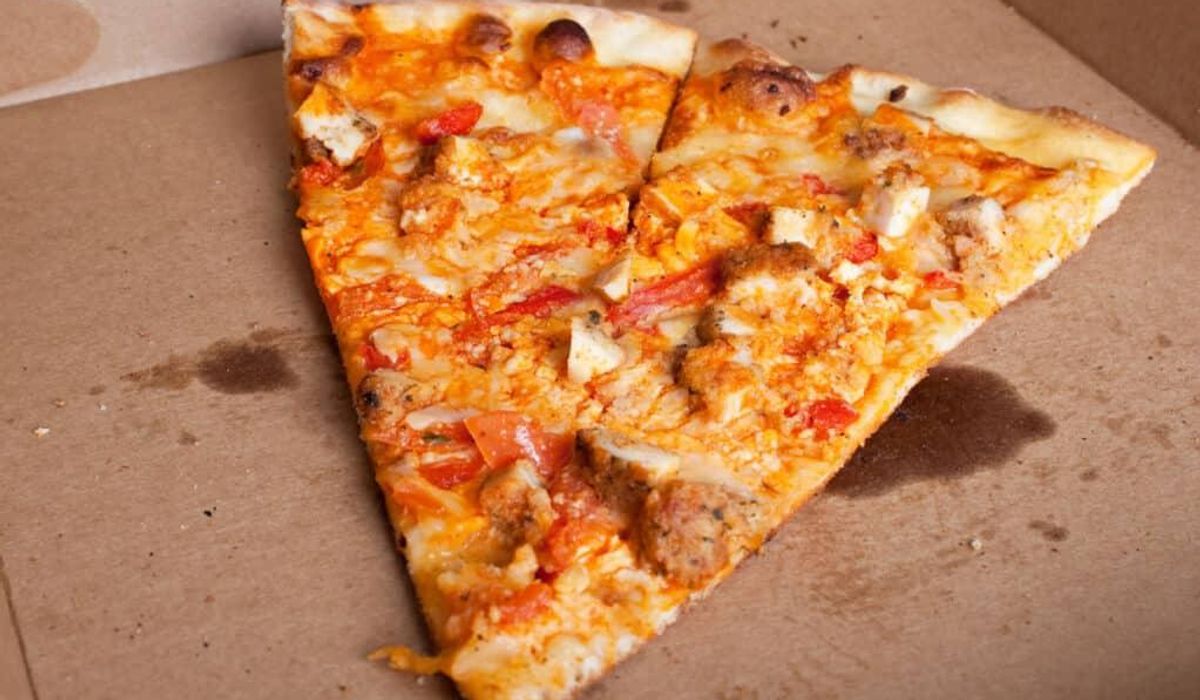
Gina Maria’s Pizza, a Twin Cities pizza chain that served Minnesota communities for half a century, has filed for Chapter 7 bankruptcy liquidation, bringing an end to a long local run and leaving customers and employees facing immediate uncertainty.
Gina Maria’s Pizza built a quiet reputation across the Twin Cities over roughly 50 years, becoming part of routines for families and late-night crowds alike. The chain’s move into Chapter 7 bankruptcy liquidation signals a legal conclusion rather than a restructuring, and it confirms the company will wind down operations and sell assets to satisfy creditors.
For longtime patrons, the news lands with a mix of nostalgia and frustration that a recognizable local brand has reached this point. Customers will remember signature pies, local flavors and the simple convenience of neighborhood locations, but those memories do not stop the legal and financial mechanics now in motion.
Chapter 7 means the business stops trying to reorganize its debts and instead liquidates whatever remains to pay secured and unsecured creditors. That process typically involves a trustee collecting and selling inventory, equipment and any other assets, then distributing the proceeds according to bankruptcy law.
Employees at affected locations are frequently the people who feel the first, hardest impact when a chain files for Chapter 7. Wages, benefits and hours can end abruptly, and unpaid obligations to staff may become unsecured claims in the bankruptcy, leaving workers to wait on the outcome of claims processes.
Local suppliers and landlords also face exposure when a regional chain closes its doors for good, often joining a line of creditors with unpaid bills. Small vendors that relied on consistent orders can find themselves scrambling to replace lost revenue, and property owners may suddenly have vacant storefronts to re-lease in competitive markets.
Several forces commonly push legacy food-service operators toward liquidation, including rising food and labor costs, aggressive national chains, delivery-platform fees and shifts in consumer habits. While the filing does not explain every internal decision, the broader industry pressures have been squeezing regional players for years.
Bankruptcy trustees will review leases, franchise agreements and any remaining corporate records to determine the best path for recovering value. In many Chapter 7 cases, liquidation includes selling kitchen equipment, furniture and intellectual property where it exists, but the full recovery for creditors is often limited.
Community reaction tends to mix disappointment with practical concern, as neighbors wonder what will replace familiar storefronts and employees seek new work. Local business groups and city officials sometimes step in to speed re-tenanting of vacant spaces, but that process can take months and depends on market demand.
The end of a decades-old brand like Gina Maria’s Pizza highlights how even established local chains can struggle to adapt to modern retail and dining ecosystems. For the communities that grew up with its locations, the filing closes a chapter and opens a period of adjustment for workers, suppliers and loyal customers alike.
Creditors, former employees and other interested parties will watch the trustee’s actions closely as assets are inventoried and sold. While the legal process can take time, Chapter 7 usually moves faster than reorganization proceedings, and it will ultimately determine how much, if anything, stakeholders recover.
Beyond the financial and legal fallout, there is a human story in every closure: managers and staff who gave daily effort, families who marked occasions there, and locals who simply valued a familiar pizza option. Those practical and sentimental losses are immediate even as the formal steps of liquidation proceed under court supervision.
In the months ahead, affected storefronts may find new tenants, former employees will look for opportunities elsewhere, and the neighborhood food landscape will shift to fill the gap. The end of Gina Maria’s Pizza as an operating chain is now official, and the community will navigate the change in its own practical ways.

