

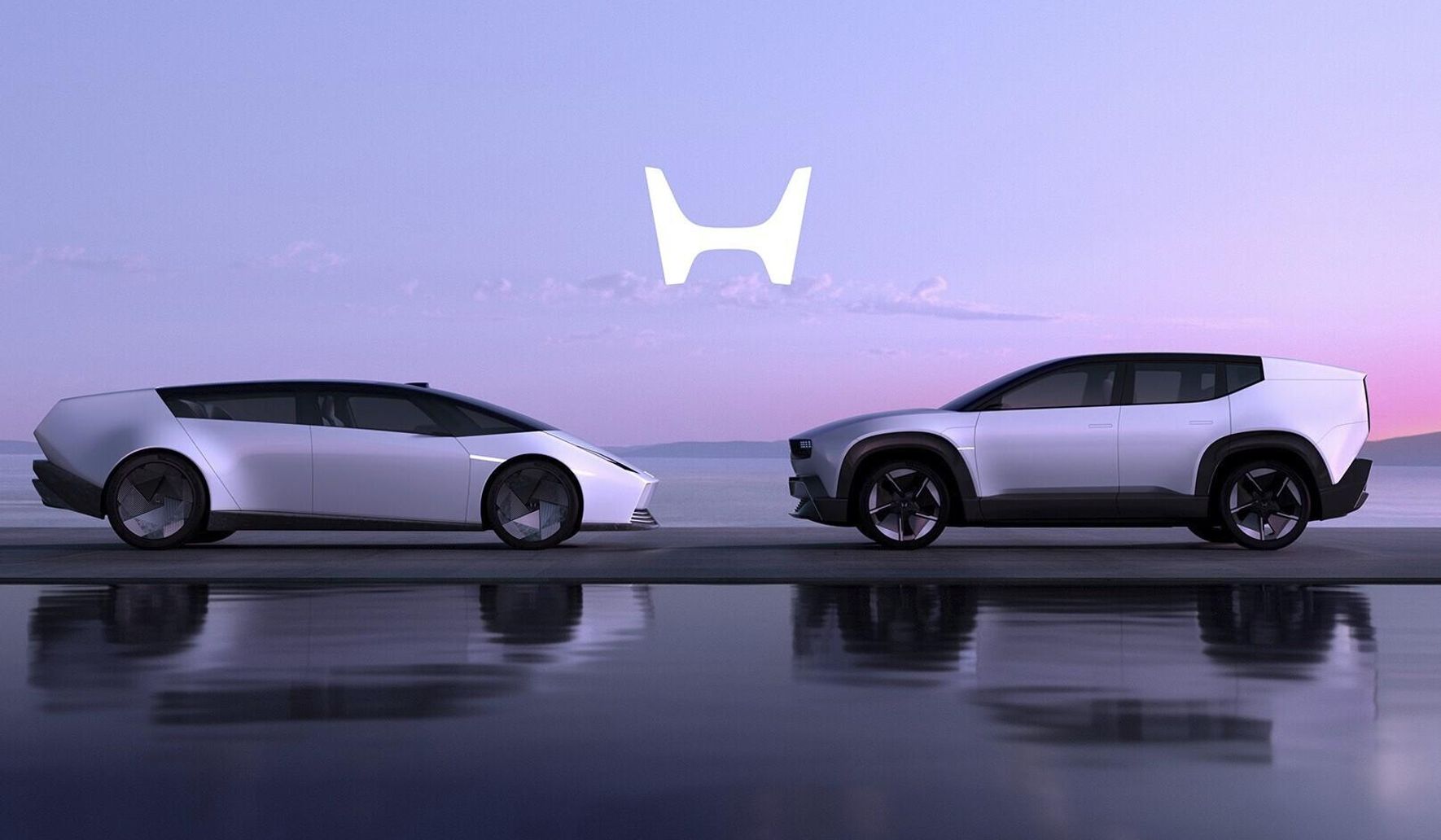
Honda has paused plans for three electric models destined for North America, citing a changing policy and market environment that altered the economics of those launches.
Honda said it is halting plans for three models of electric vehicles that would have been sold in North America, blaming tariffs, eased gasoline regulations and rolled-back incentives. That single sentence frames the decision as a direct response to shifting government policy and trade costs rather than a purely technical or production problem. The announcement reflects how external forces can reshape automaker roadmaps quickly.
The company’s move is a reminder that producing EVs at scale depends on more than batteries and factories. Tariffs raise component costs, incentive programs help bridge the affordability gap, and regulations guide automaker strategy. When any of those pillars shift, plans for new models can become uneconomic almost overnight.
Tariffs affect the price of battery cells, electronic components, and sometimes whole vehicle imports, adding real dollars to the cost of each car. Those added costs squeeze margins, especially on lower-priced models where there is less room to absorb increases. Automakers facing higher input costs often reassess which vehicles to prioritize.
At the same time, eased gasoline regulations change the regulatory imperative behind rapid electrification. When emissions rules slacken, the urgency to replace internal combustion models decreases for both regulators and manufacturers. That change can tilt investment back toward hybrids or cleaner combustion engines in the short term.
Rolled-back incentives matter for demand. Consumer rebates, tax credits, and purchase incentives make EVs reachable for a broader group of buyers and help manufacturers hit volume targets. Without those supports, sticker shock discourages adoption and dealers report slower uptake, which in turn affects launch plans for new models.
Suppliers and dealers feel the ripple effects immediately. Parts makers plan capacity years in advance, and sudden pauses force them to rework forecasts, slow hiring, or mothball projects. Dealers lose potential volume and the opportunity to sell the additional services and financing that support new-vehicle launches.
Charging infrastructure and customer readiness are part of the picture too. Even with falling battery costs, consumers weigh access to charging, range, and resale value when choosing an EV. If those uncertainties remain, manufacturers may prefer to delay risky launches until the business case is clearer.
Honda’s choice to halt three models could free up capital to invest where returns look stronger or to refine technology on fewer products. It may also open room for different electrification approaches, like hybrids, plug-in hybrids, or targeted EVs for specific markets. The company’s next moves will depend on whether tariffs ease, incentives return, or regulations tighten again.

