

House Republicans finalized a bill on Friday aimed at replacing key elements of Obamacare with market-focused, state-driven options that they say will reduce costs and expand choices.
House Republicans finalized a bill on Friday intended to change how Americans access health coverage and how the federal government participates in the system. The proposal channels conservative priorities toward competition, choice, and state control rather than one-size-fits-all mandates.
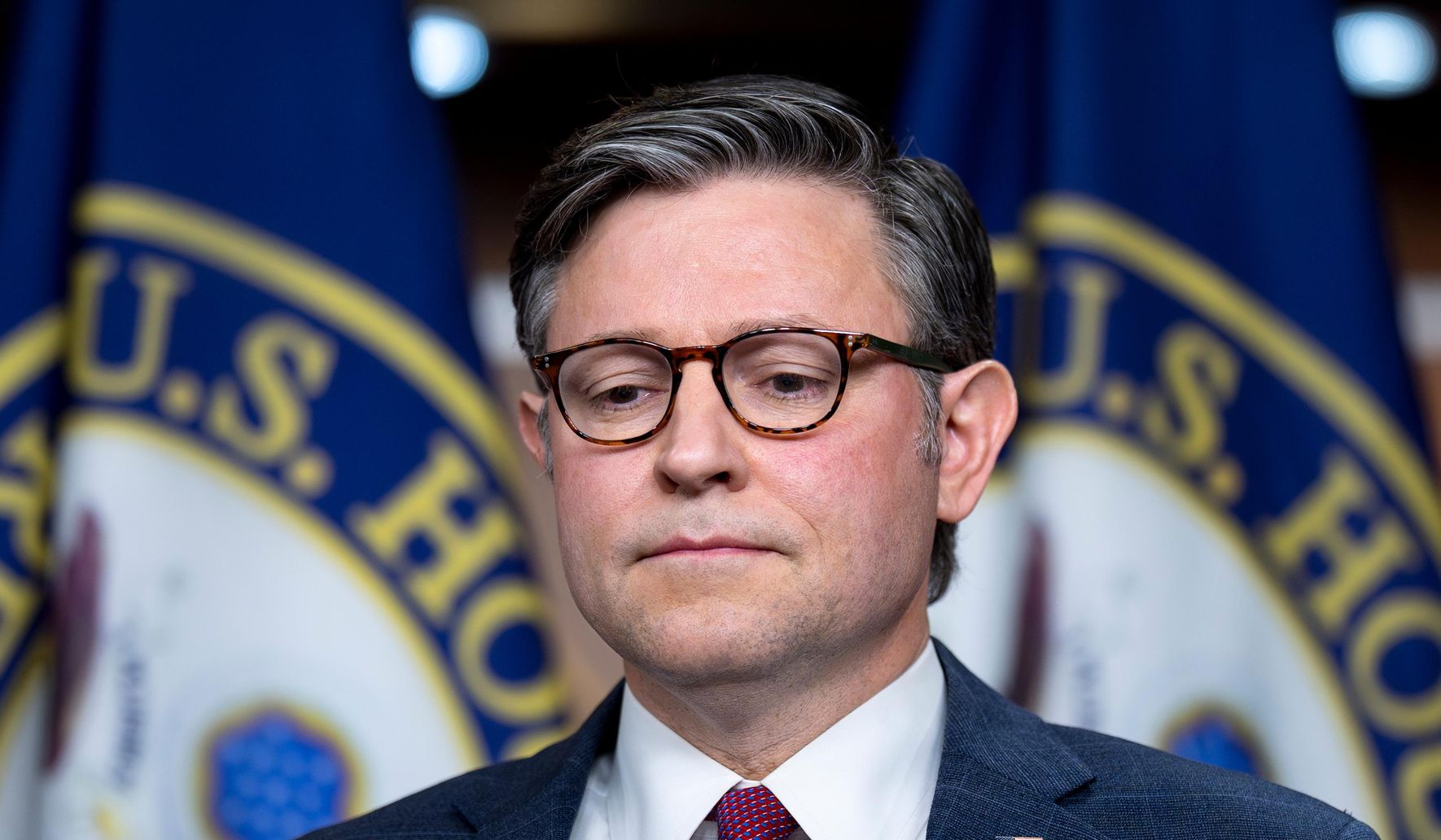
Speaker Mike Johnson said the plan will provide “clear, responsible alternatives” to Obamacare, framing the legislation as a pragmatic path away from federal overreach. That quote captures the leadership message: swap central mandates for market incentives and regulatory relief.
The bill centers on returning power to states and patients, with incentives for innovation and for plans that lower premiums. Republicans argue this approach will let local lawmakers tailor programs to real community needs instead of following Washington’s script.
Supporters point to common-sense fixes like promoting health savings accounts, encouraging association health plans, and increasing price transparency in the healthcare marketplace. They claim these steps will make care more affordable and let consumers shop for value.
Republicans also emphasize liability and regulatory reform to reduce administrative costs that are passed onto patients through higher premiums. Cutting red tape, they say, will spur competition among insurers and providers rather than locking Americans into fewer options.
Fiscal responsibility is a core talking point in GOP messaging around the bill, with sponsors asserting this package aims to rein in federal spending growth tied to entitlement expansion. The party frames the effort as protecting taxpayers while preserving safety nets for the most vulnerable.
Lawmakers in the majority contend the current law has concentrated power at the federal level and created perverse incentives that drive up costs and reduce access. Their alternative is pitched as a course correction that restores incentives for quality and efficiency.
Critics will likely attack the plan for potentially reducing federal protections or shifting costs to states, and Democratic opponents are expected to use those talking points aggressively. Republicans respond that state flexibility and competition will instead boost coverage options, not strip protections.
The bill’s architects say they retained a focus on pre-existing conditions but pursued solutions that do not rely on a single federal mandate structure. That messaging is critical for selling the plan to voters who fear losing existing safeguards.
On the Hill, the package sets up a familiar debate over federal role versus state control, with each side presenting competing visions for the future of American healthcare. Republicans cast their version as a bold, practical alternative built around personal responsibility and local governance.
Behind the scenes, legislators are also selling the package as politically advantageous because it offers tangible policy shifts rather than vague promises. GOP leaders believe concrete reforms can persuade swing voters who are tired of rising premiums and narrower networks.
Health policy experts will parse the bill’s technical details once the text is released, but the political framing is already tight: more market-based choices, fewer federal mandates, and stronger consumer protections through competition. That framing guides how supporters will defend the plan in public.
Republican senators and governors will be watching closely, since successful implementation depends on cooperation across branches and levels of government. The party’s case rests on convincing state officials they will get the tools and funding necessary to carry out new programs.
Outside groups aligned with conservative principles are expected to rally behind the legislation, offering messaging support and mobilizing grassroots pressure. That ecosystem matters because it helps translate legislative wins into long-term policy durability.
Republicans acknowledge this is the opening act in a lengthy process that will involve amendments, negotiations, and public debate. They emphasize that final passage will require staying focused on core conservative principles like choice, accountability, and fiscal caution.
For voters, the debate will come down to how well alternative plans actually lower costs and expand access in their communities. GOP strategists believe the bill offers a clearer path to those outcomes than sticking with the current federal framework.
As lawmakers move forward, the central Republican message will keep coming back to restoring local control and unleashing private-sector solutions. The party frames those ideas as reliable ways to improve care without ballooning federal budgets.
Whether this bill becomes law depends on Senate action, the White House, and public response in the coming weeks and months. For now, Republicans are unified in presenting a distinct vision they say addresses the real problems voters face in healthcare today.
The coming debates will test whether conservative reforms can deliver practical results and durable policy alternatives to the current system. Lawmakers on the right are betting that clearer options and competitive markets will win the day.

