

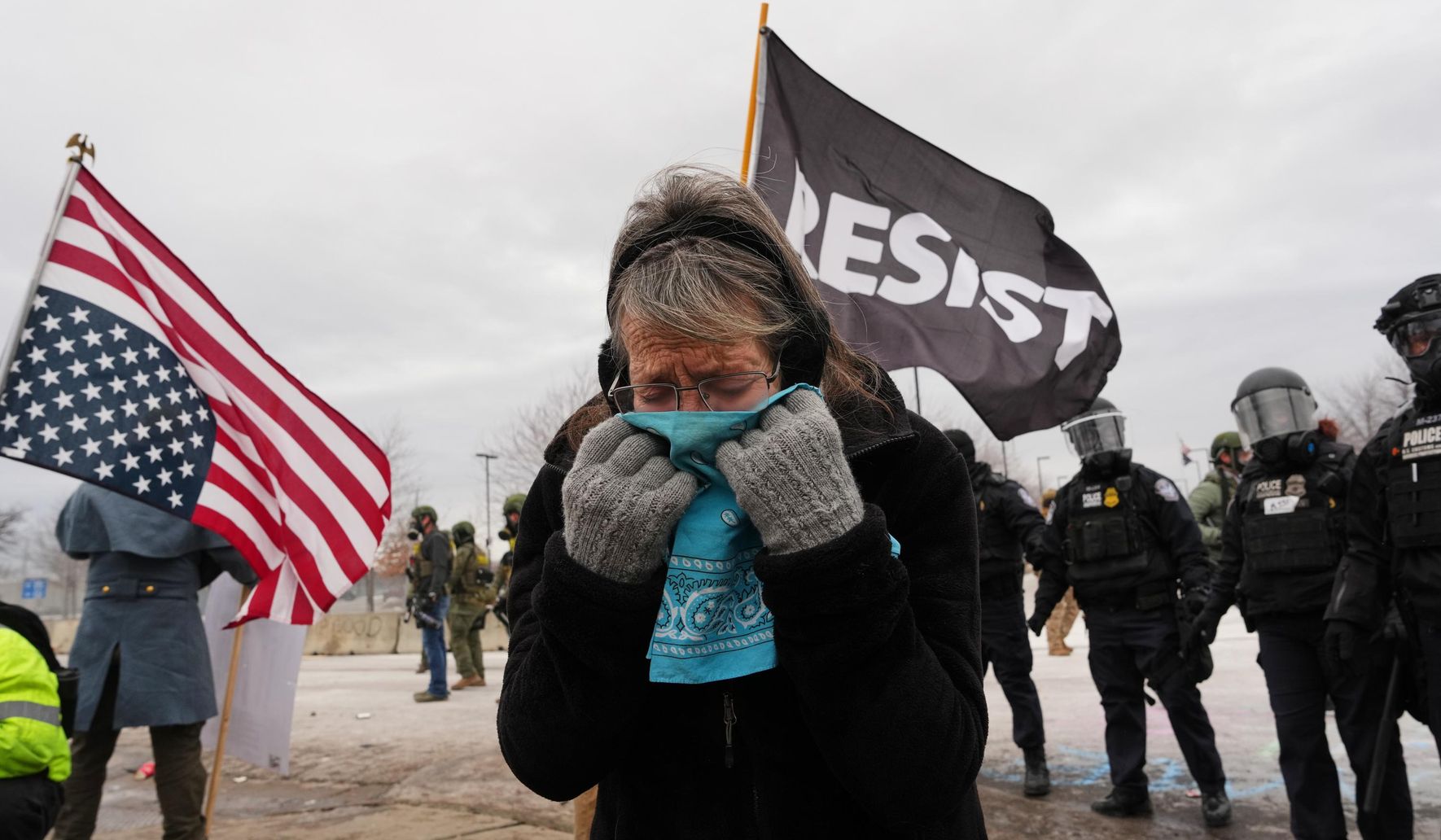
An ICE-involved shooting in Minneapolis has heightened tensions, left both a federal officer and a migrant hospitalized, and prompted a fresh warning from President Trump, who threatened to invoke the I.
The scene in Minneapolis feels tense and watchful, with neighbors and officials alike parsing what happened and who will answer for it. Local hospitals have taken in both a federal officer and a migrant, leaving families and colleagues scrambling for information. That reality has pushed the city into another round of difficult debates about enforcement, safety, and government authority.
Federal operations in city neighborhoods always raise jurisdictional questions, and when a shooting occurs those questions become urgent and uncomfortable. Minneapolis has a complex recent history with high-profile law enforcement encounters, and each new incident reopens community wounds. People want clear facts first, and they do not want political spin to substitute for careful investigation.
From a Republican point of view the first priority is the safety of all residents and the protection of officers doing dangerous work. Federal agents must have the tools and support to carry out their duties without undue interference while still being accountable for their actions. That balance matters: law and order keeps neighborhoods safe and preserves the trust that allows communities to function.
The incident drew a new warning from President Trump, who threatened to invoke the I. Those few words from the president added fuel to an already heated discussion about federal authority and the limits of local control. Whether that warning signals a move toward broader federal intervention or simply serves as rhetoric, it changes how people on both sides of the debate see what might come next.
Whatever follow-up unfolds, the stack of procedural steps is predictable: internal reviews, statements from law enforcement, and the slow release of facts through official channels. Those processes are essential so judgments are grounded in evidence rather than emotion. At the same time, transparency is key if public confidence is to be restored after a shooting involving federal personnel.
Migrant communities are understandably frightened by confrontations with immigration enforcement, and an incident that results in hospitalization only deepens those fears. Service providers, consulates, and advocacy groups will be monitoring medical access and legal rights for the injured migrant. Handling those immediate human needs properly is as important as determining what happened at the scene.
On the political front, this episode will likely be used by both sides to press broader policy points about immigration, sanctuary policies, and the federal role. Republicans will emphasize the need for robust enforcement to uphold the rule of law and protect communities, while critics will demand accountability and restraint to prevent unnecessary violence. That push and pull is familiar, but every real case carries unique facts that deserve careful consideration.
City leaders, federal officials, and community voices all face pressure to act responsibly and fast enough to keep tensions from escalating. Independent or internal investigations should proceed and the public should be kept informed within the limits of operational security. In the weeks ahead, how authorities manage both the factual account and the community response will shape trust in institutions across Minneapolis and beyond.

