

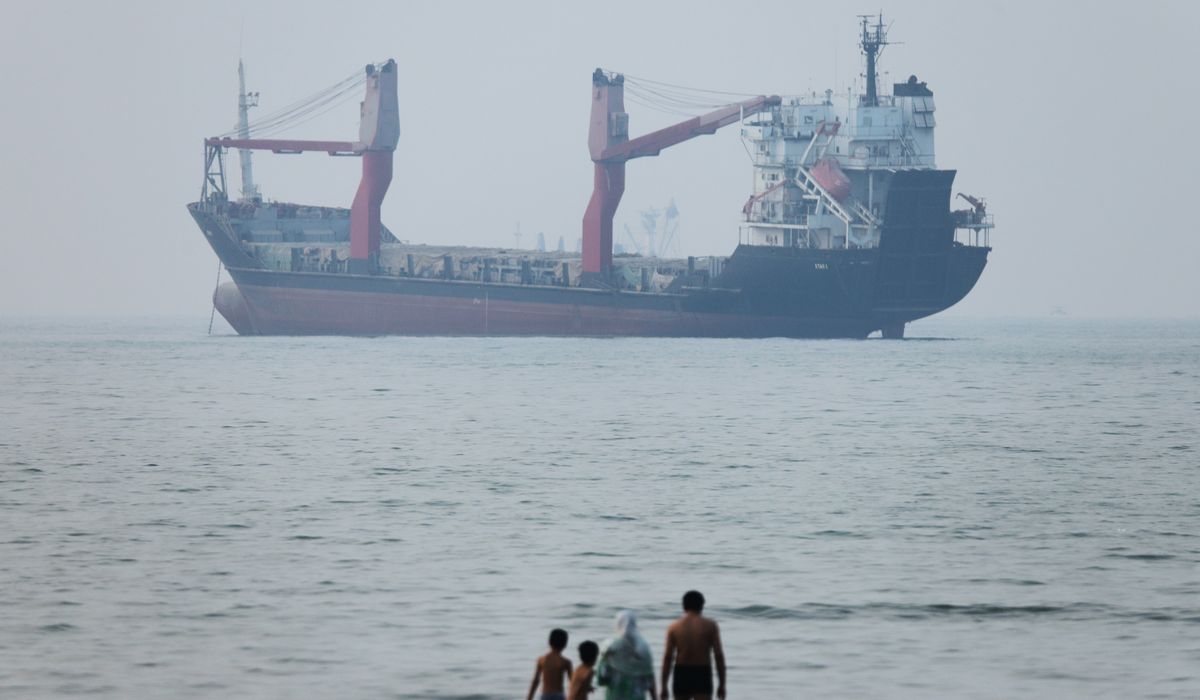
U.S.-Iran confrontation in the Gulf escalated after Tehran struck American military sites following U.S. strikes inside Iran and renewed sanctions on Iranian oil, creating a tense scene for regional security and American forces.
The latest exchange unfolded after Washington carried out strikes at sites inside Iran and reimposed sanctions aimed at cutting off Tehran’s oil revenue. Iran responded by targeting American military positions in the Gulf on Wednesday, turning a punitive economic move into a kinetic confrontation. The sequence shows how sanctions and limited strikes can quickly feed a cycle of escalation with narrow windows to control it.
American commanders in the region warned that strikes near critical waterways raise the risk to U.S. sailors and commercial traffic, especially around the Strait of Hormuz. That chokepoint moves a significant share of the world’s oil and is strategically vital, so any action there has outsized consequences. From a Republican perspective, the safety of American forces and freedom of navigation must be a top priority, and responses should be calibrated to deter further aggression.
On the political front, the Biden administration framed its strikes and sanctions as measured responses intended to punish bad behavior while avoiding a larger war. Critics on the right argue that measured approaches can look like hesitance to an adversary that has repeatedly attacked U.S. interests and allies. The Republican view is that deterrence depends on clarity of consequence and follow-through, not on subtle signaling that can be misread by Tehran’s leaders.
Reimposing sanctions on Iranian oil sales aims to cut off funds used to support proxy groups and military programs, but sanctions alone have limits. Iran has developed workarounds and partnerships to keep revenue flowing, and hard currency collection often continues through clandestine networks. Republicans generally push for tighter enforcement of sanctions, along with targeted actions that disrupt Iran’s ability to finance hostile operations in the region.
Military officials emphasize that the United States must maintain robust defensive and offensive options in the Gulf and surrounding seas. Iran’s missile and drone capabilities, combined with proxy forces operating across Iraq, Syria, Lebanon and Yemen, create a layered threat that requires constant attention. From a party standpoint, investing in hardening bases, improving naval presence, and ensuring rapid strike options back up diplomatic pressure.
Allied coordination is another key piece of the puzzle because Tehran often tests alliances by probing gaps in response. European and regional partners are watching how Washington balances punishment and restraint, and Republican arguments stress that strong leadership restores credibility. When adversaries see consistent and forceful follow-through, the logic of coercion is to reduce rather than invite future attacks.
Domestic politics play into how leaders choose to act abroad, and this episode sharpened partisan debate over strategy. Republicans argue that weakness invites escalation and that clear, decisive policy—diplomatic, economic and military—keeps Americans safer. The counterargument is concern over being drawn into open-ended conflict, but the right insists that credible deterrence ultimately prevents larger wars by making aggression costly for the adversary.
On the ground, commanders must balance protecting forces and avoiding steps that could spiral into broad conflict. That means precise targeting and strong intelligence, plus an operational posture that keeps options available. Republicans emphasize that a posture combining strength and clarity is less likely to produce miscalculation by Tehran and its proxies.
The Gulf remains a volatile theater where economic tools and kinetic actions intersect, and policymakers must weigh risks across the board. For those focused on American security from a conservative stance, the message is plain: deter clearly, act with force when needed, and cut the resources that fuel hostile operations. The unfolding events underline how rapid escalation can follow sanctions and strikes, and why a firm, consistent approach matters for long-term stability.

