

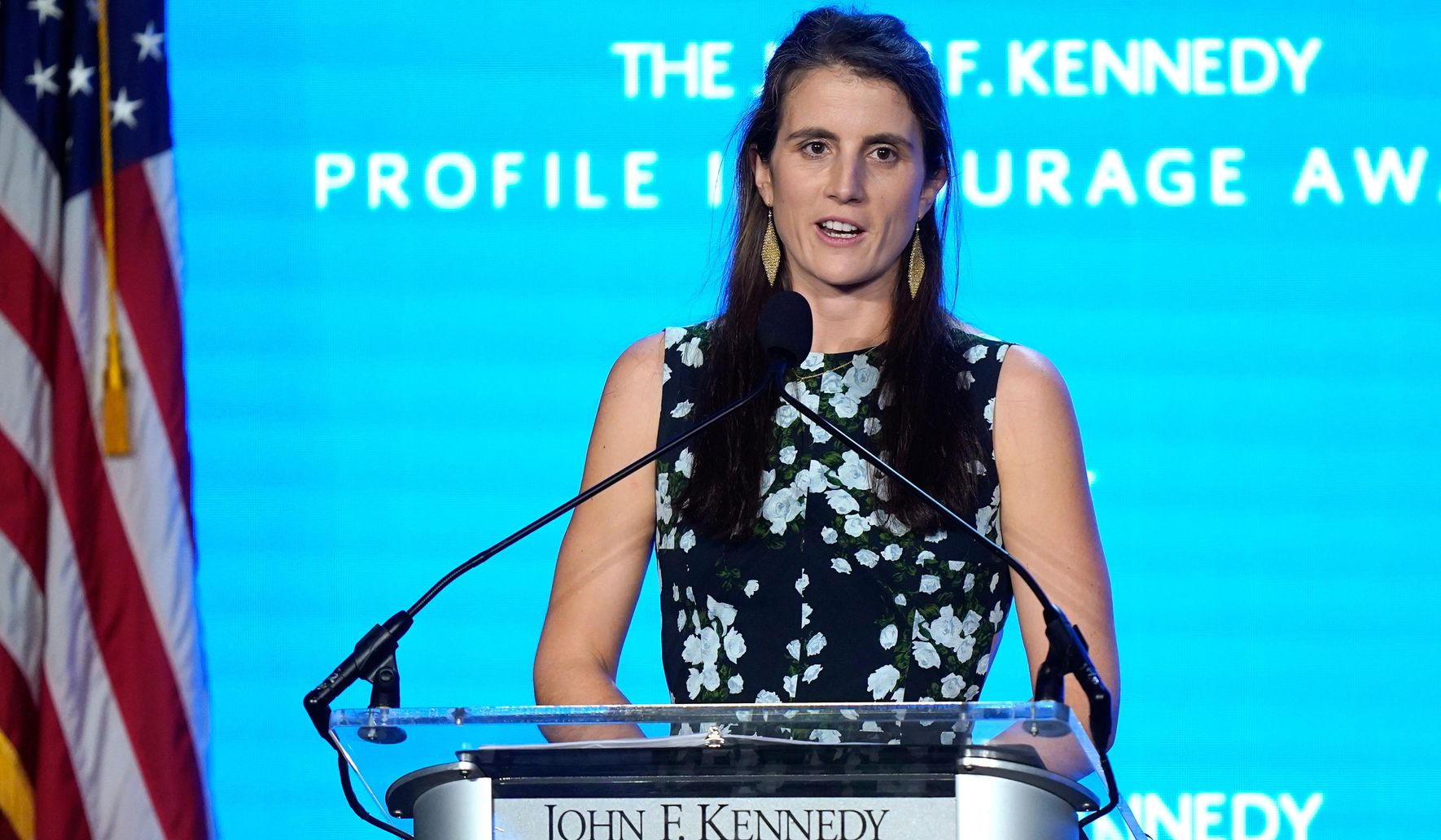
John F. Kennedy’s granddaughter revealed on Saturday, in an essay for “The New Yorker”, that she has terminal cancer, and one of her doctors told her she might live for about another year.
The essay is a public admission of a private prognosis and a rare moment of plain talk from a member of a family long in the national spotlight. By choosing “The New Yorker”, she placed her words in a forum known for reflective, long-form pieces rather than a quick social post. The timing and tone make it clear this was meant to be read, not just reported. The disclosure puts a personal health crisis into a public frame.
Facing a terminal diagnosis forces immediate, practical decisions and deeper questions about how to spend the time left. She wrote about those realities in measured language, outlining the contours of a life altered by illness. Revealing prognosis—particularly when a doctor says someone “might live for about another year”—changes how people plan and what they prioritize. It also changes how the public, and the press, engage with a private family story.
Terminal cancer usually means that curative treatments are unlikely to succeed and that the focus shifts to comfort and quality of life. That reality brings conversations about palliative care, symptom management, and daily choices into sharp relief. For many patients, that period is as much about relationships and meaning as it is about medical options. Public disclosure opens those conversations for others who may be facing similar paths.
Medical care at this stage often involves a mix of specialist consultations, symptom control, and sometimes experimental options or clinical trials when appropriate. Decisions about whether to pursue aggressive treatment versus comfort care are deeply personal and depend on risk tolerance, expected benefits, and side effects. Families frequently wrestle with those trade-offs while trying to honor the wishes of the person who is ill. The essay frames these choices as part of a lived reality, not abstract medical debate.
When a member of a high-profile family speaks openly about illness, it changes the tone of public discussion. It can normalize hard conversations about dying, make information about care options more visible, and encourage others to ask tough questions earlier. Personal essays have a way of translating medical jargon into human stories, and those stories can shape the choices people make around end-of-life care. For readers, that can be both clarifying and unsettling.
Privacy and publicity collide in moments like this, because a family name invites attention whether the person wants it or not. The decision to publish in a respected magazine suggests a wish to control the narrative and speak on one’s own terms. It also reflects trust that a long-form platform will allow nuance instead of sensational headlines. That trust matters when the subject is as intimate as a terminal diagnosis.
Public admissions of serious illness often prompt a flood of commentary, support, and speculation, but they can also spark useful policy and cultural conversations. Issues like access to quality palliative care, insurance coverage for end-of-life services, and support for caregivers are all part of the broader picture. When someone with a well-known name steps into that arena, it can push those issues into public view without turning them into mere news fodder.
For the individual at the center, writing about the experience can be a way to set boundaries and to tell a story that matters to them. An essay lets a person frame the narrative, decide which moments to share, and explain what matters most in the time ahead. Readers encounter the human elements: tasks to be done, relationships to tend, and the daily work of living with a terminal illness. That intimacy is the point—it’s not spectacle, it’s testimony.
What follows next for her is deeply personal and will unfold beyond the pages of any magazine. The essay stands as a candid accounting of a diagnosis and prognosis, offered in a voice that refuses to be reduced to headlines. It invites readers to engage with the realities of terminal illness in a direct way, and it places those realities within the life of someone from a family that has long lived in the public eye.


1 Comment
Remember back in the day when our school friends were dying from blood clots, heart attacks, strokes & turbo cancers? Remember when young, healthy pilots, athletes, health care workers, entertainers & military members died suddenly? Yeah. Me neither. THIS is the Zionist bio weapon,Kike spike, TOXIC clot shot doing exactly what they designed it to do. KILL. Wake up goyim you’re next.
Once you understand that the “solution” wasn’t created to solve the “problem” but the “problem” was intentionally created for the “solution” to be rolled out- then you will comprehend the magnitude of evil in the people behind everything.
“vaccines in our food supply solves the problem of vaccine hesitancy” Bill Gates~