

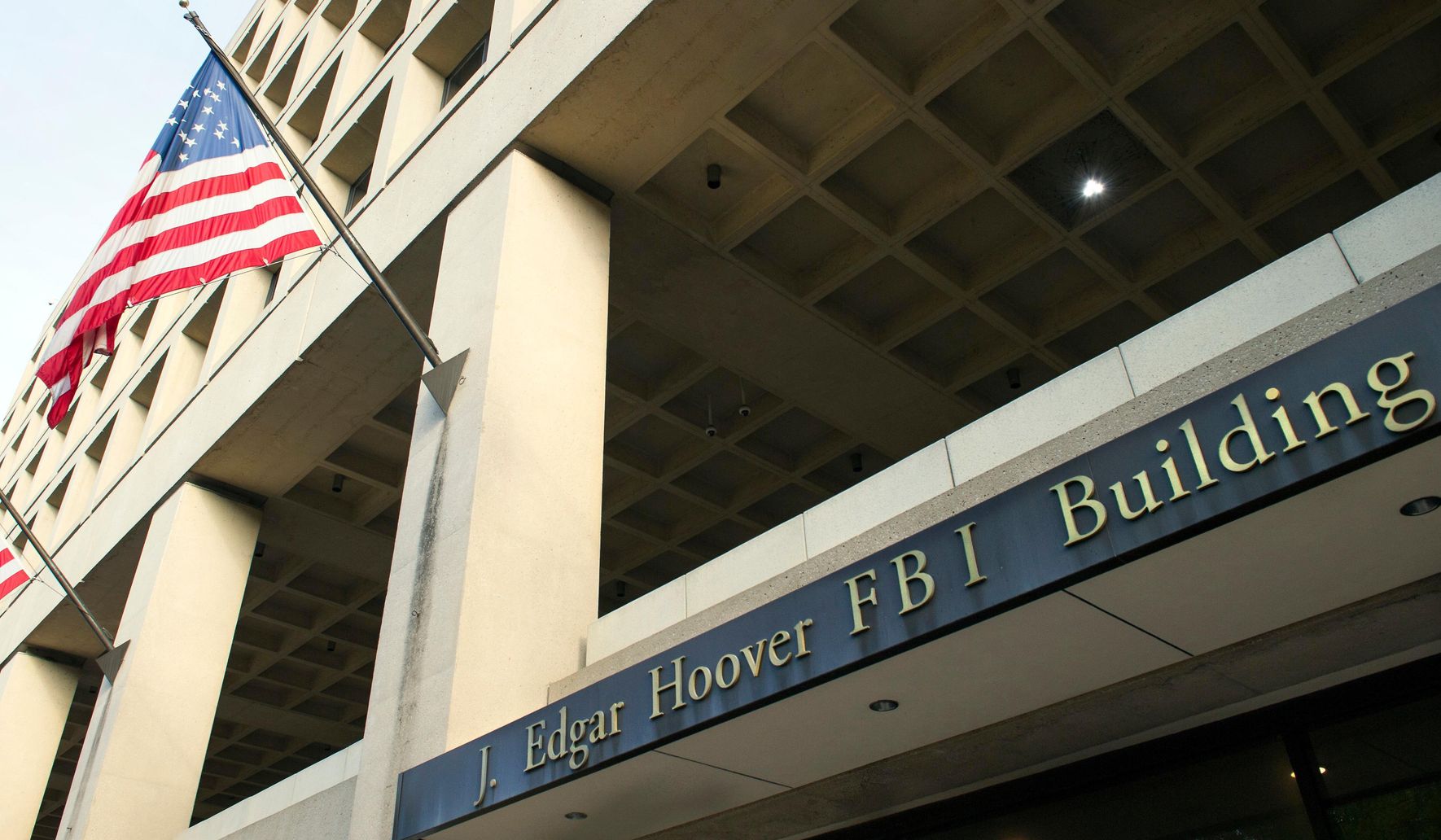
FBI Director Kash Patel announced Friday that the J. Edgar Hoover Building in Washington is closing, with the bureau relocating to the Ronald Reagan Building and International Trade Center on Pennsylvania Avenue. The announcement signals a big shift for the bureau’s footprint in the capital and raises immediate questions about accountability, logistics, and taxpayer cost. This move will be watched closely by lawmakers and citizens who want the FBI to be efficient, secure, and answerable.
The Hoover Building has been a symbol of federal law enforcement for decades, and closing it is not a small matter. For many conservatives, it’s a chance to demand clearer justification for major federal real estate decisions and to insist on measurable savings. If the relocation actually cuts red tape and improves security, that outcome will be welcomed, but the burden of proof falls on the bureau.
Kash Patel’s announcement came on a Friday, which often signals an attempt to soften immediate scrutiny, so Republicans should press for transparent timelines and detailed budgets. Voters deserve to know whether this is a tactical fix, a cost-saving measure, or a political reshuffle. Oversight must cover transition costs, staffing impacts, and continuity of operations to make sure national security does not suffer in the shuffle.
Security is a practical issue, not a talking point, and any new headquarters must meet rigorous standards for classified work and counterintelligence. The Ronald Reagan Building is centrally located and prominent, but location alone does not guarantee the secure infrastructure the FBI needs. Conservatives should insist on independent security assessments and on clear plans for upgrading any necessary systems before the move is finalized.
There’s also a symbolic element to consider: the Hoover Building’s legacy is mixed, and changing where the bureau works can be an opportunity to reform culture. Republicans should push for reforms that prioritize law enforcement focused on protecting citizens rather than protecting institutional interests. A move like this could be paired with administrative changes that increase accountability and streamline decision-making.
Local economic effects deserve attention too, since a relocation shifts jobs, contracts, and service needs across neighborhoods and vendors. Members of Congress should ensure the transition minimizes harm to workers and local businesses while also preventing wasteful contracting. A careful, conservative approach examines how to keep taxpayers whole and maximize private-sector opportunity around the new site.
Transparency about records, archives, and how legacy space will be handled is another immediate concern. The old building’s inventory, archives, and ongoing files must be managed in a way that protects investigations and historical records. Republicans should demand a public accounting of what happens to federal property and documentation during such a big logistical move.
Communication with rank-and-file agents and staff is often overlooked during high-profile relocations, yet it’s essential for operational continuity. The bureau’s leadership needs to show plans for employee relocation, morale, and retention so that expertise is not lost in the transition. Republican oversight should probe personnel plans to safeguard institutional knowledge that protects the country.
Finally, lawmakers must make clear this is not a passive handoff; the move creates new responsibilities for Congress to monitor. Committees should require briefings, written justifications, and independent cost estimates, and should set benchmarks for any promised efficiencies. If the relocation delivers better performance and respects taxpayers, it will be worth the disruption; if not, accountability must follow.

