

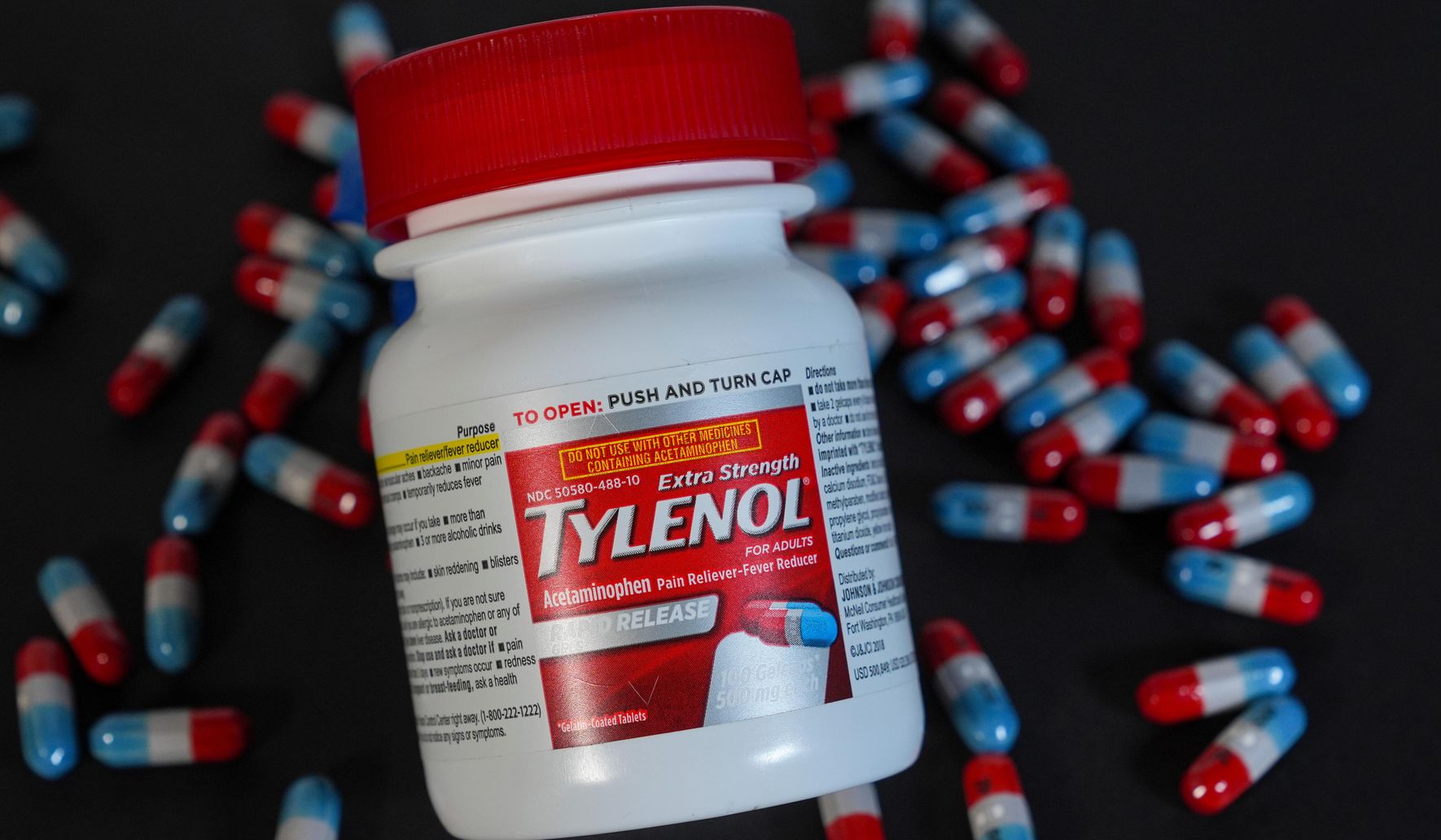
Kimberly-Clark is buying Tylenol maker Kenvue in a cash and stock deal worth about $48.7 billion, creating a massive consumer health goods company. This article explains the terms, the strategic logic, potential market consequences, and what consumers and investors might expect as the two businesses merge. It looks at scale, brand portfolios, and the practical challenges ahead in plain terms.
The headline is straightforward: Kimberly-Clark will acquire Kenvue, the maker of Tylenol, in a transaction valued at about $48.7 billion, paid with a mix of cash and stock. That structure splits risk and reward between immediate value for Kenvue owners and ongoing alignment through Kimberly-Clark equity. Combining two large consumer-health portfolios aims to create one of the biggest players in everyday health and hygiene products.
On paper, the logic is clear. Kimberly-Clark brings deep distribution and strong household brands in tissue, diapers, and wipes, while Kenvue contributes well-known over-the-counter medications and personal care products. Together they can use shared supply chains, cross-sell at retail, and negotiate better shelf space and supplier terms. Scale should drive cost savings and give the new company more clout with retailers around the world.
Investors will watch the mix of cash and stock closely because it affects near-term dilution and balance-sheet flexibility. A sizable cash component signals commitment but requires financing and may pressure credit metrics. The stock portion ties Kenvue shareholders to the combined company’s future performance, which can smooth the path to integration if the market buys the strategic case.
For consumers, the immediate effect is subtle: familiar brands like Tylenol will remain on shelves, and product availability should be steady through the transition. Longer term, the combined company could push new bundled offerings, loyalty programs, or expanded private-label partnerships that change how products are marketed. There is potential upside in improved product innovation funded by larger R&D budgets, but also a risk that consolidation reduces competitive pressure.
Regulators will likely scrutinize the deal, especially where overlaps could affect local competition or pricing power at major retailers. Antitrust reviews can take months and sometimes force divestitures in certain markets or product lines. That means the timeline to close might be extended and the final shape of the business could change to address regulatory concerns.
Operationally, combining two large organizations is never easy. Integrating supply chains, harmonizing IT systems, and aligning brand and marketing strategies will take time and strict project discipline. Employee redundancies and role realignments are common in deals this size, which can create short-term disruption even as the companies aim for long-term savings and efficiency gains.
Market reaction will hinge on confidence that the cost synergies and revenue opportunities are realistic. If management communicates a clear integration plan and credible milestones, investors tend to reward the combined story; if the plan is vague, patience wears thin. Analysts will model the expected synergies and watch quarterly results for early signs of execution or slippage.
From a competitive standpoint, the new entity will be measured against both fast-moving consumer brands and nimble niche players. Large scale helps with pricing power and shelf space, but challengers with focused innovation can still carve out categories. The balance between scale-driven efficiency and the ability to innovate quickly will define success.
Ultimately, the deal creates a much larger presence in everyday consumer health and hygiene, centered on household names and mass-market reach. The next steps to watch are regulatory filings, financing details, and the initial integration milestones management sets. Consumers should see little change at the store level right away, but the industry landscape is likely to shift as the companies combine resources and strategies.

