

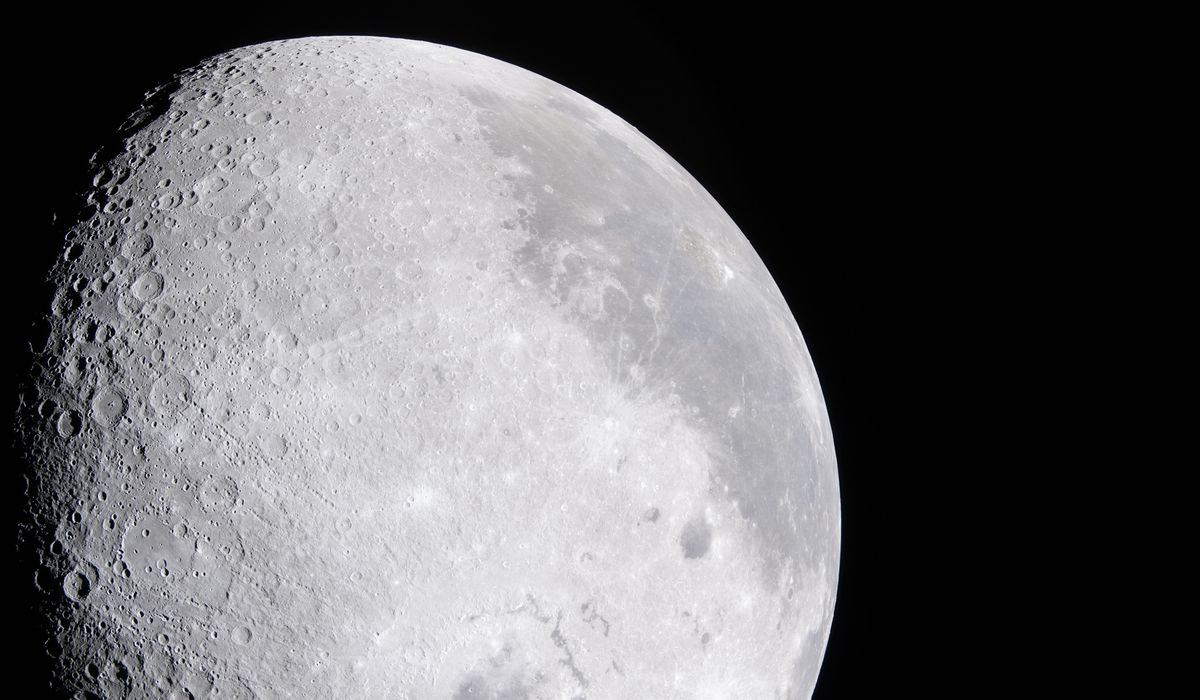
This article looks at the legal gaps that could slow commercial activity on the moon as NASA and rival space programs push for sustained operations, and as the space economy edges toward what one space entrepreneur calls a trillion-dollar industry. It focuses on the snag between patriotic ambitions, national laws, and international rules that will decide who can use lunar resources and how.
NASA and other national programs are lining up plans for long-term work on the moon, and private companies are already pitching infrastructure, mining, and tourism projects. Investors and entrepreneurs are talking big numbers, and the phrase trillion-dollar industry keeps showing up in boardrooms and briefings. That makes a clear legal framework more urgent, since money follows certainty.
The foundational problem is that international law is fuzzy about private ownership of celestial resources, which creates real-world headaches for anyone who wants to build and operate on the lunar surface. The 1967 Outer Space Treaty bars national appropriation, but it does not explicitly prohibit private claims, and that ambiguity leaves regulators and courts guessing. Without agreed rules, disputes over extraction rights, site control, and profit sharing could tie up projects for years.
Some nations have already moved to fill the gap with domestic laws that let companies extract and commercialize space resources, and other states are drafting similar statutes to attract industry. The Artemis Accords and other cooperative agreements try to set norms like interoperability and deconfliction, but they stop short of creating a binding international property regime. Those piecemeal measures help in the short term, yet they also risk fragmenting rules and creating jurisdiction shopping.
Private firms, insurers, and lenders need predictable licensing, liability limits, and dispute-resolution mechanisms before they commit tens of billions to hardware, habitats, and supply chains. Banks want clear collateral rules, and insurers need legal certainty to price risk for launches, operations, and resource recovery. If ambiguity persists, capital will either demand a premium or flow only toward projects backed by governments willing to accept legal gray areas.
Practical questions add complexity: who protects scientific sites and cultural artifacts, how do we prevent harmful contamination, and who sets environmental standards on a body with no sovereign nation? Lunar water, regolith, and volatiles have immense utility for life support and fuel, yet extracting them can change local conditions and impede future science. Regulators will have to balance commercial access with scientific stewardship and heritage protection in ways that are both enforceable and flexible.
International negotiations could produce a clarified treaty or a supplemental agreement, but multilateral diplomacy is slow and prone to deadlock. In the meantime, coalitions of like-minded states and industry groups may create de facto regimes through bilateral agreements, licensing compacts, and standard contracts. That approach can be faster, but it risks uneven protection and competing claims that ultimately land in arbitration or national courts.
Industry actors can also shape the landscape by building norms into their own contracts, using private arbitration, and adopting transparent standards for resource sharing and site safety. Those market-driven solutions can reduce friction and make projects bankable, especially when tied to government licensing and export controls. Still, private rules without broad international buy-in are vulnerable to challenge when commercial activity scales up.
Expect messy politics and jurisdictional competition as countries jockey to attract investment and assert influence over lunar activities, while entrepreneurs push for clear, commercial-friendly regimes. Lawmakers and regulators will face pressure to create frameworks that unlock investment without inviting reckless exploitation of a fragile environment. The choices made now on property claims, licensing, and dispute resolution will shape who benefits from lunar resources and how quickly a commercial moon economy takes off.

