

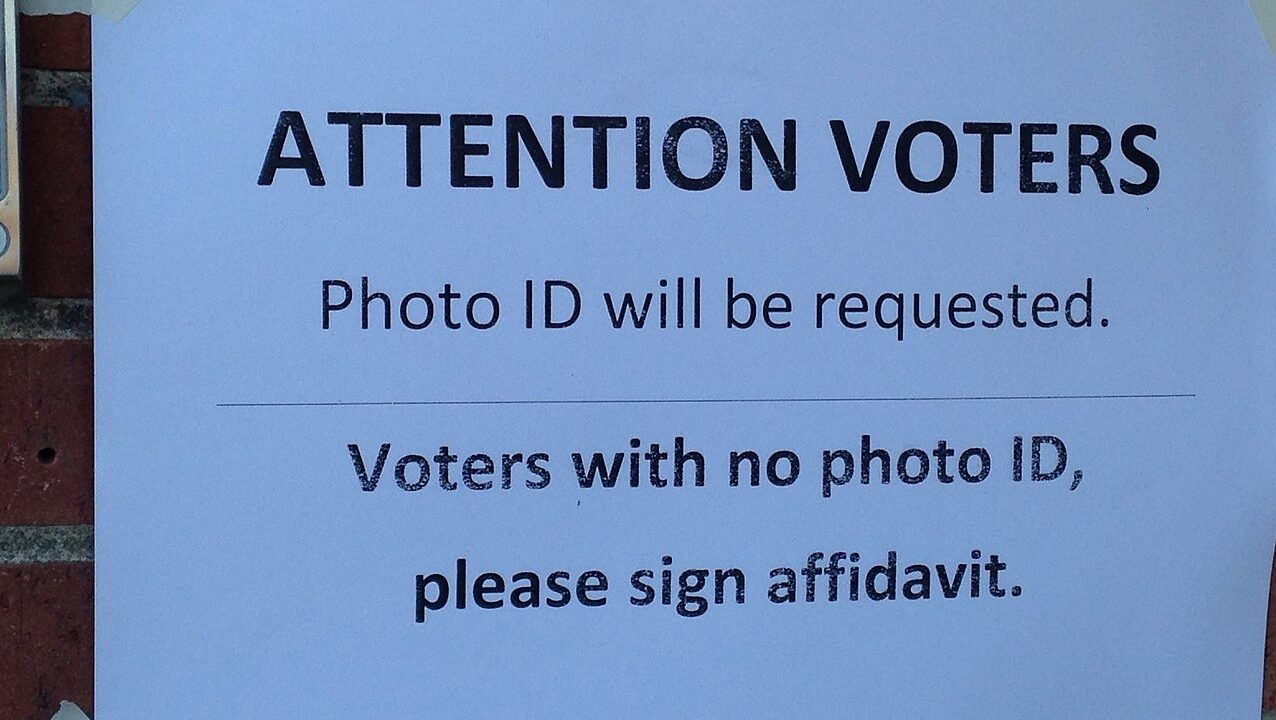
Maine voters rejected a proposed requirement that people show photo identification to vote, with early returns showing 63.4 percent against and 36.6 percent in favor while about 78 percent of ballots had been reported at the time of the tally.
The result landed as a clear rejection of the photo ID measure the campaign pushed this fall. Voters in Maine turned away from the change by a wide margin, leaving backers to regroup and reassess how to make the case for election safeguards. The outcome has already stirred debate among policymakers and activists about next steps.
Supporters framed the proposal as a practical step to protect the integrity of elections and to boost public confidence. They argued that asking for simple, government-issued ID is common across daily life and would not be an unreasonable requirement for participating in voting. From a Republican standpoint, the vote represents a missed chance to put a basic verification standard into law.
Opponents countered that the measure risked disenfranchising seniors, low-income residents, and others who may face hurdles obtaining an ID. They said the cost and paperwork involved could effectively make voting harder for vulnerable groups, and they leaned on concerns about access rather than arguing that fraud is widespread. That framing resonated enough to drive the decisive margin against the proposal.
The numbers tell a clear story: 63.4 percent against and 36.6 percent for, with roughly 78 percent of votes counted when the tally was reported. Those percentages make the loss more than a narrow miss, and they underscore how messaging and turnout can shape outcomes even on procedural questions. For those who prioritize election security, the result is a reminder that policy proposals must connect with everyday voters’ priorities.
Republican leaders and backers expressed disappointment, saying the state should not shy away from basic safeguards that many other states use without controversy. They noted that common-sense measures can be paired with safeguards to ensure access, like free ID issuance and mobile outreach. The party will likely look at how to build broader coalitions and communicate guardrails without triggering fears of exclusion.
Administrators and election officials now face the practical reality that rules will not change immediately, and they will continue to run elections under current law. Some officials pointed to the need for better education about existing identification options and to improve how voters secure credentials when they need them. Debate is likely to continue about whether legislative tweaks or administrative solutions could bridge the gap between security concerns and access worries.
Future efforts may try to thread the needle by combining verification measures with strong protections to ensure everyone who wants to vote can do so easily. That could include free and widely available IDs, clear outreach programs, and streamlined processes at motor vehicle and municipal offices. The vote in Maine shows the political challenge ahead for those who want to change voting rules while keeping public trust intact.

