

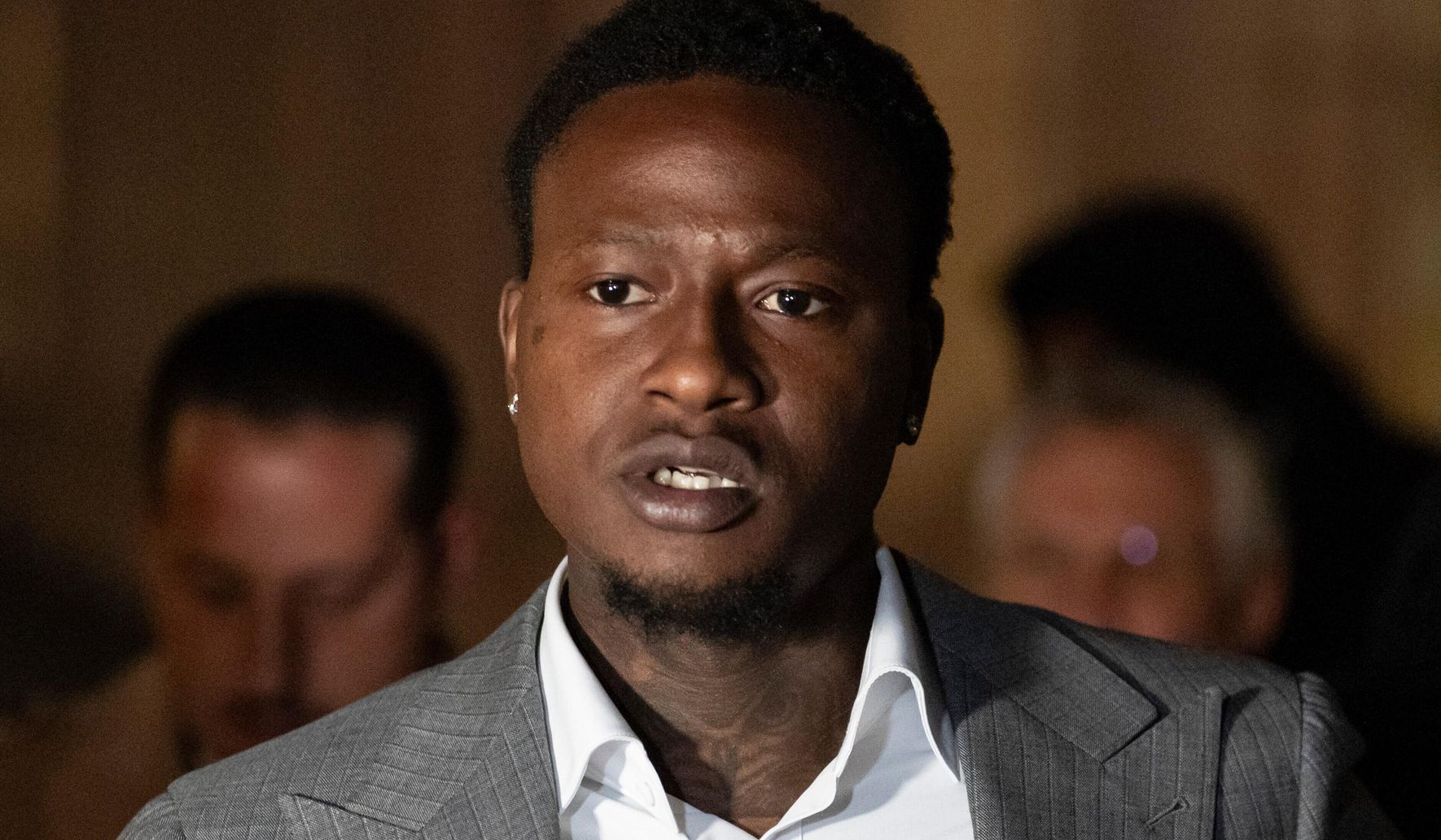
Terry Rozier’s lawyers have asked a judge to dismiss the sports gambling charges that have sidelined him this season, arguing the government overstepped in the way it pursued the case.
The legal team for Miami Heat guard Terry Rozier is pressing a motion to throw out sports gambling charges that have kept him off the court this season. They contend the government went too far in its investigation and that the case should not proceed. The motion frames the situation as more than a routine criminal matter, pointing to procedural and constitutional concerns.
Defense lawyers argue the charges rest on flawed legal theories and that prosecutors exceeded appropriate limits while building their case. They say investigative tactics and charging decisions cross the line from enforcement into overreach. That claim asks the judge to weigh not only the evidence but also whether the government followed the rules it must observe in every criminal prosecution.
From the player’s side, the practical consequences have been immediate and severe: Rozier has been kept off the court during a period when a veteran guard’s regular minutes can influence team chemistry and playoff positioning. The Heat have had to adjust rotations and expectations in his absence, and Rozier’s own preparation and rhythm have suffered. The motion makes clear that the defendants and team are looking for a legal resolution that would allow a return to normalcy as soon as possible.
Prosecutors, for their part, are expected to defend the decision to bring charges and the methods used to obtain evidence. They typically argue their actions fall within accepted investigative practice and that courts should not substitute their judgment for prosecutorial discretion. If prosecutors maintain the charges, the case could move forward to hearings, evidentiary disputes, and possibly a trial.
The defense motion raises familiar legal doctrines such as selective or vindictive prosecution and challenges based on constitutional protections. Those arguments often turn on fine-grained factual records and on whether investigative steps complied with statutes and case law. Judges will examine search practices, witness handling, and the statutory framework that governs sports wagering offenses when deciding whether dismissal is warranted.
Beyond the courtroom mechanics, the situation highlights larger questions about how sports gambling is policed and how criminal enforcement intersects with a high-profile athlete’s public life. As organized sports and regulated wagering grow closer, cases like this test the balance between protecting the integrity of competition and protecting individual rights. The outcome could influence how aggressively prosecutors pursue similar matters in the future.
Rozier’s attorneys emphasize reputation and due process, noting that prolonged legal uncertainty can be a punishment of its own. They argue that the cumulative effects of an open criminal case—media attention, missed games, and contractual implications—are pressures that should not replace a measured judicial inquiry. The motion seeks a prompt judicial ruling to limit further collateral harm while the legal process runs its course.
Court watchers and legal analysts will be watching for the judge’s response to the motion to dismiss, which could include a denial, a partial grant, or an order for additional factual development. Any decision could trigger further appeals or negotiations between the parties. Meanwhile, Rozier, his legal team, and the Heat must prepare for multiple possible outcomes on and off the court.
Whatever the next steps, the case underscores how quickly off-court legal matters can reshape a season for a player and a team. It also reminds observers that procedural rulings can be as decisive as facts on the ground in criminal cases. The coming weeks will determine whether Rozier’s matter resolves quietly, proceeds to trial, or prompts broader discussion about enforcement practices in sports wagering cases.

