

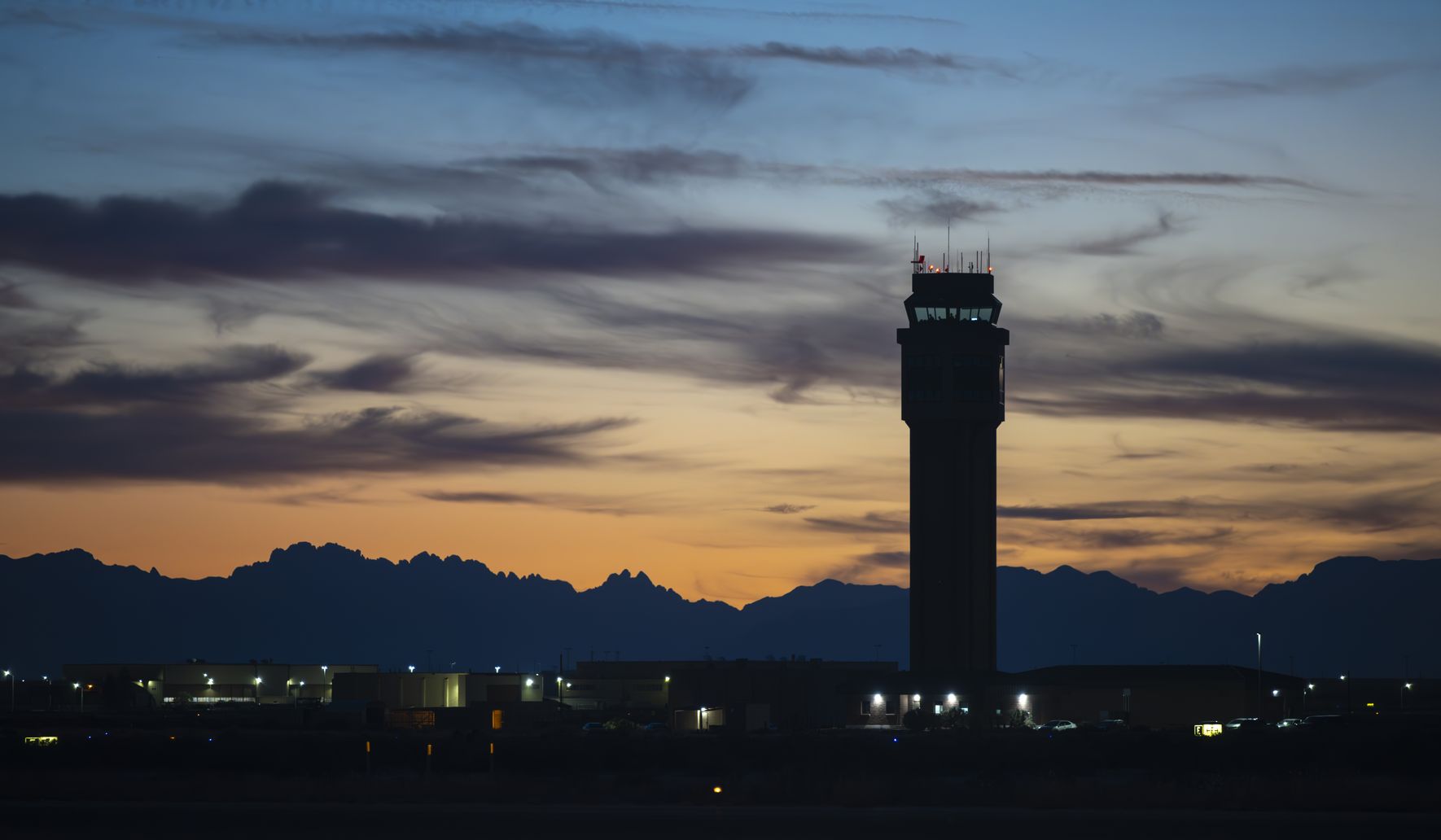
A service member was killed and another wounded in a shooting at an Air Force installation in New Mexico, and the base and surrounding community are dealing with the immediate fallout while military investigators work to sort out what happened.
A shooting at a U.S. Air Force base in New Mexico on Tuesday left one person dead and another wounded, according to military officials.
Local and military responders were on site quickly, securing the scene and providing medical care to the wounded. Witnesses described a tense, fast-moving situation as personnel followed lockdown procedures and first responders established triage. Base leadership moved to control access and gather facts while emergency services focused on victims.
The investigation is being handled by military criminal investigators along with local law enforcement to ensure every lead is followed. Officials have said they will collect physical evidence, review surveillance footage, and interview witnesses to build a clear timeline. That work can take days or weeks, depending on how complex the scene and the interviews prove to be.
Details about the identities or status of those involved have not been released pending notification of next of kin and ongoing inquiries. Out of respect for privacy and for the integrity of the probe, officials typically limit public details early on. Families of service members affected by incidents on base are usually offered support services through the command and the base chapel or family readiness centers.
Operations at the installation were adjusted as a precautionary measure while investigators processed the scene. Access points were controlled and nonessential activities were scaled back to maintain safety and preserve evidence. Commanders often issue temporary guidance to personnel and residents until they can confirm there is no ongoing threat.
Military leaders emphasized that maintaining order and the safety of service members, civilians, and contractors is their top priority. They also noted that swift reporting and clear communication help reduce confusion during emergencies. That kind of coordination is standard when any violent event occurs on a military installation.
Community response included concern from neighbors and base-area residents who rely on the installation for employment and services. Local schools and businesses sometimes adjust schedules or add security checks after incidents near a base. Community leaders and base officials typically coordinate messaging to ensure residents have accurate information without compromising the investigation.
Public information releases during such investigations are usually limited to verified facts so as not to interfere with evidence collection. Officials also want to avoid spreading unconfirmed details that could complicate witness statements or legal proceedings. This measured approach can feel slow, but it aims to protect both the investigative process and the people involved.
Medical teams and first responders who handled the scene will often be part of after-action reviews to refine emergency response plans. Those reviews help pinpoint what went well and what could be improved for future incidents. Sharing lessons learned helps both military and civilian agencies strengthen coordinated responses.
Support resources for service members and families are typically activated, including counseling and chaplain services, to address the emotional impact of a violent incident. Commanders may also arrange briefings to keep personnel informed while respecting investigative constraints. Resources remain available as the situation evolves and investigators release more information.
As the inquiry continues, the community and the installation will watch for official updates from military authorities. Investigators will release additional details when they can confirm them and when family notifications are complete. Until then, base leadership remains focused on safety, support for those affected, and a thorough, professional investigation.

