

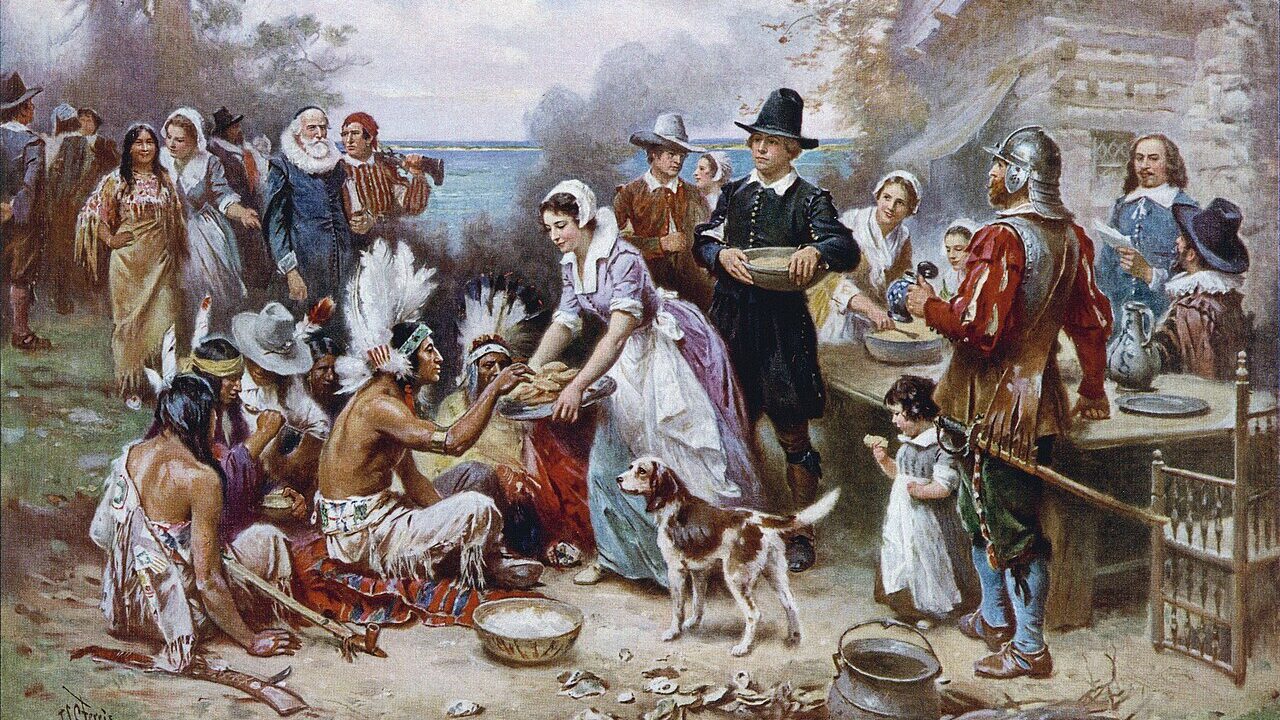
This piece reflects on remembering the hard work and sacrifices of those who came before and on taking simple, concrete steps today to honor that legacy in everyday life.
I start with a clear promise to myself and to anyone listening: respect for past sacrifices should shape how we act now and who we choose to become. That attitude turns ceremonies and family routines into a steady practice rather than a one-time nod. It keeps traditions from becoming hollow rituals and makes them small engines of character.
I’ll be mindful that all that I do on Thursday is a result of the sacrifices that generations made before me
That line is not a slogan; it is a practical reminder that decisions, conveniences, and freedoms have roots in choices other people made. When you say it aloud, it tightens your focus and makes small duties feel weightier in a good way. It pushes you to think beyond immediate wants and act with consideration for what you inherit and what you will pass on.
Remembering history does not mean living in the past, but learning from it to avoid repeating mistakes and to repeat what worked. Families, neighborhoods, and institutions that treat legacy as a responsibility tend to be more resilient. We keep useful methods alive and also weed out the parts that no longer serve us.
There are simple habits that put respect into motion: listen to elders, preserve stories, handle property with care, and volunteer time where needed. Those acts stitch personal memory to community well-being in small, consistent ways. Over time, they add up to a culture that values service and prudence.
Honoring sacrifice also means being honest about trade-offs and costs. Not every tradition deserves protection just because it’s old, and not every change deserves applause just because it’s new. A balanced approach asks whether practices strengthen people, encourage responsibility, and leave a better world for the next generation.
Practical examples help. Preparing a family recipe with attention, fixing a neighbor’s fence, or sorting heirloom documents are modest but meaningful actions. They reinforce skills and stories that anchor identity and give young people concrete touchpoints with the past. Those hands-on tasks translate abstract gratitude into daily behavior.
Teaching the next generation matters as much as the ritual itself; explain why things mattered and what was sacrificed so they can understand context. Young people shaped by explanation and inclusion tend to value continuity more than those left to mimicry. That knowledge makes voluntary respect more likely than mere obligation.
Communities benefit when institutions adopt modest practices that encourage stewardship and responsibility across age groups. Libraries, schools, and local groups that host story nights or preservation projects create low-friction opportunities for involvement. These public touchpoints let more people participate and recognize the effort that built their present.
Finally, consider how private choices meet public outcomes: voting with an eye toward long-term stability, saving prudently, and supporting neighbors in tight spots all honor past sacrifices without fanfare. These are habits that protect what matters and pass along a culture of duty. They are the quiet, everyday ways we make sure a legacy is more than a memory.

