

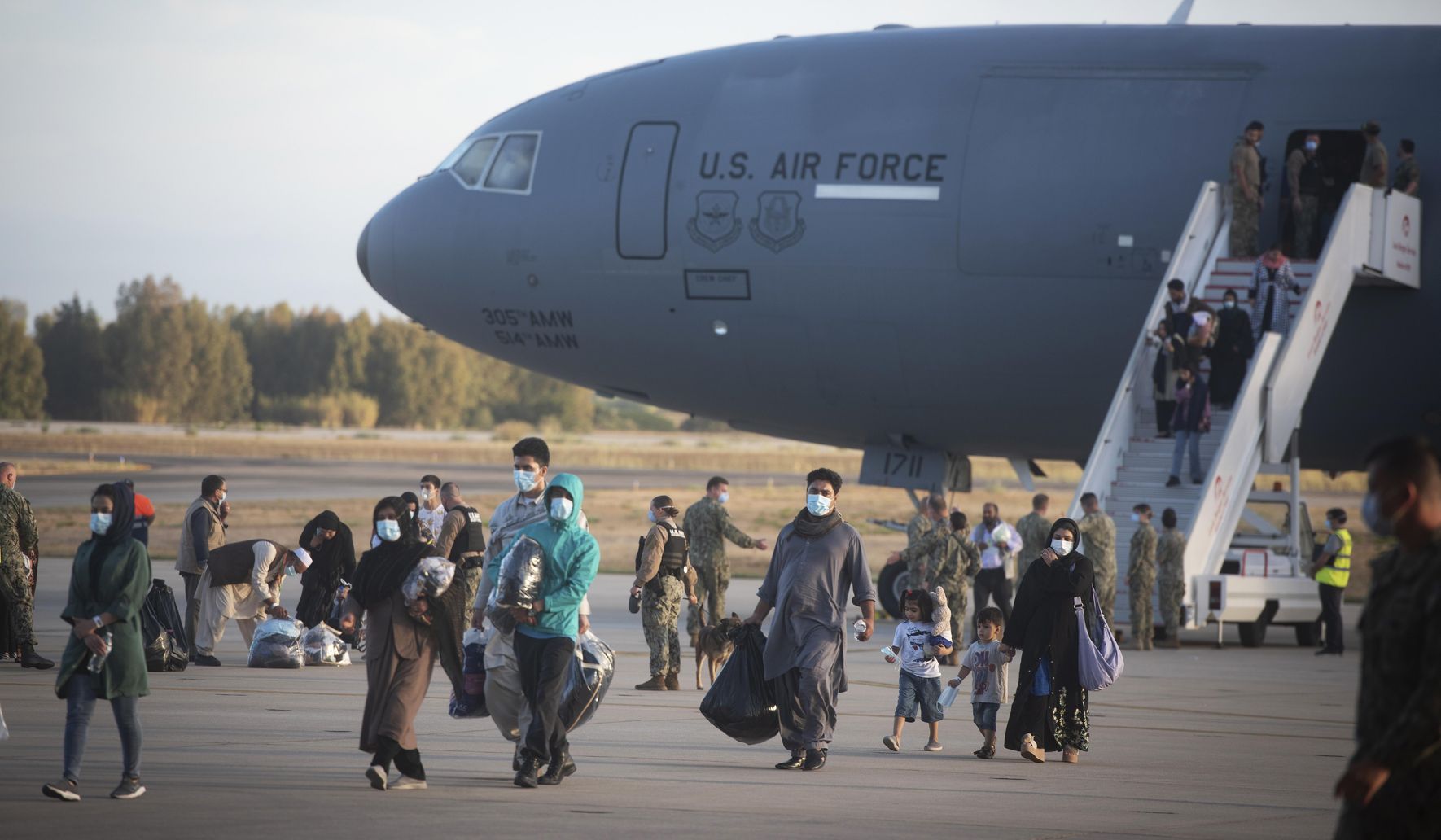
Kristi Noem said Sunday the Biden administration is squarely to blame for any vetting failures that occurred in resettling the Afghan refugee accused of shooting two Nation.
Republican leaders are blunt: when federal resettlement programs let dangerous people slip through, it is the administration that bears responsibility. This story centers on an Afghan refugee who allegedly shot two people after resettlement, and the criticism from conservatives focuses on systemic failures. The claim is that national security was sacrificed to meet politically driven relocation goals.
Critics point to rushed processing, incomplete background checks, and a chaotic withdrawal as the root causes that allowed risks to enter communities. Those who managed the evacuation pushed large numbers through screening pipelines under pressure and without adequate oversight. The result, opponents say, was predictable: gaps in vetting that exposed Americans to avoidable danger.
At the heart of the debate is how paperwork and intelligence checks were handled while millions were displaced. Lawmakers argue that agencies relaxed standards and relied on incomplete records provided during an emergency evacuation. That approach, they warn, cannot substitute for thorough national security procedures when lives are at stake.
Local officials who received resettled refugees have reported concerns about the information they were given and the support they received from federal partners. State and municipal agencies tasked with integration say they were often left to find resources and answers on their own. Those gaps in coordination created blind spots that critics say magnified the risk.
There is also a broader issue of policy priorities: the administration framed resettlement as an urgent humanitarian mission, and critics accept the humanitarian impulse but question the balance with security. From a Republican standpoint, compassion should not come at the expense of Americans’ safety. Officials arguing otherwise must explain how they maintained strict vetting during a chaotic withdrawal and mass relocation.
Some defenders of the resettlement effort counter that the situation was unprecedented and agencies did their best under enormous strain. They say intelligence agencies continued to vet centrally and that isolated incidents do not equal systemic collapse. But opponents say that explanation avoids the fact that known gaps existed and must be addressed openly.
Accountability is a recurring theme: who bears responsibility when federal programs intersect with local communities and a tragedy occurs? Critics demand clear lines of authority and admissions of failure where warranted, not deflections or blame-shifting. They want records, memos, and timelines to be released so the public can see exactly how decisions were made during the crisis.
Policy fixes proposed by Republican officials focus on restoring firm vetting standards, improving interagency coordination, and making resettlement contingent on verifiable security checks. They emphasize stricter oversight of any emergency resettlement program and the need for legislative safeguards to prevent future lapses. The goal, they say, is to ensure that humane policies never undermine public safety.
Public confidence in immigration and refugee programs hinges on trust that the government will protect citizens while offering help to those in need. When that trust is broken, communities feel vulnerable and question whether the federal government prioritized the right things. Restoring that trust requires transparency and a commitment to sound, enforceable standards.
Beyond policy and procedure, the political consequences are immediate: critics see this as a direct failure of the current administration’s priorities and competence. For Republican leaders, pointing out these failings is about defending citizens and insisting that national security cannot be secondary to optics. The debate will continue as officials press for records and concrete reforms to prevent another avoidable tragedy.

