

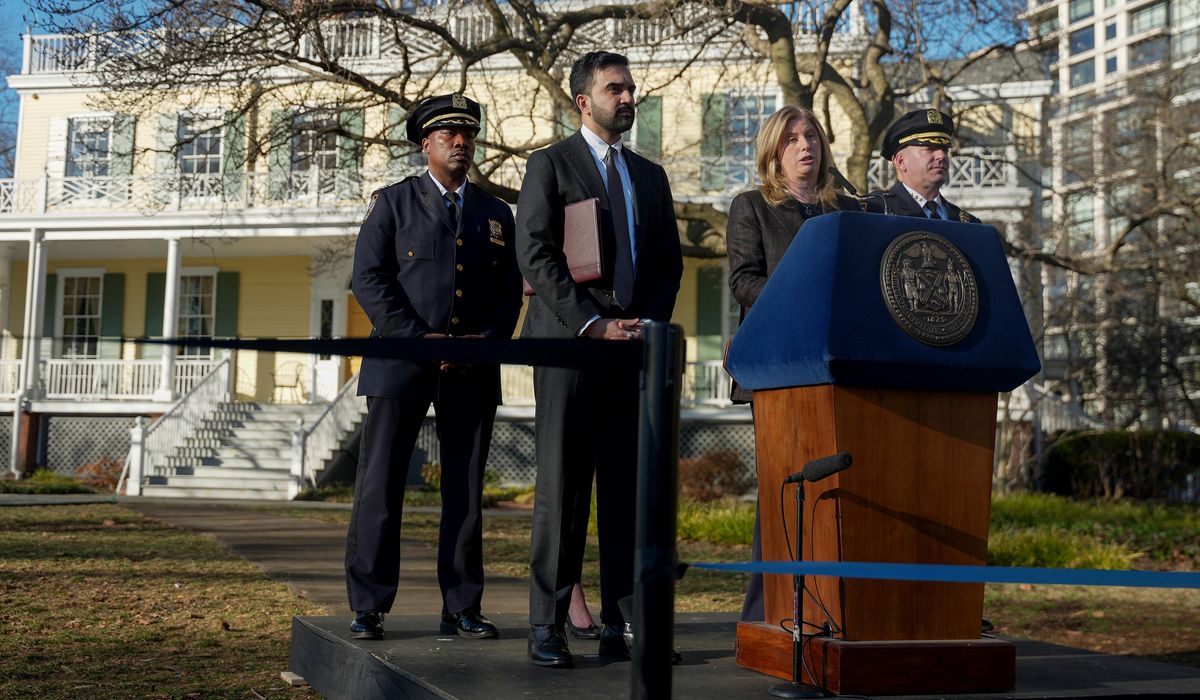
New York City officials say they are probing reports that men may have brought improvised explosive devices to a protest outside the mayoral residence, and the police commissioner announced the matter is under investigation.
New York City’s police commissioner said Monday that authorities are investigating whether men who brought improvised explosive devices to a protest outside New York City’s mayoral residence. The statement underlines how seriously the department is treating allegations tied to threats near an official residence. Officials are moving through the early stages of an inquiry while trying to keep details controlled to avoid inflaming tensions.
The possibility that explosive devices were present at a demonstration raises immediate safety and legal concerns for everyone on the scene. If the allegations prove accurate, those involved could face serious federal and state charges that go well beyond permitting or disorderly conduct. Law enforcement has to balance a transparent public update with the needs of an active criminal investigation.
People have a right to protest, and protecting that right is essential in a free society, but carrying or bringing dangerous devices crosses a line that no administration should tolerate. From a practical standpoint, police must secure the area, gather evidence, and identify suspects using forensics, surveillance, and witness accounts. The criminal justice process will determine guilt, but public safety is the immediate responsibility of city authorities.
Political leaders and the public will want clear answers about how such an incident could happen near the residence of the city’s chief executive. A responsible response includes explaining security lapses, if any, and outlining steps to prevent repetitions without turning the mayoral home into a fortress. Elected officials should answer tough questions while ensuring investigative integrity.
There are broader implications for how cities manage protests and protect officials in an era when demonstrations can escalate quickly. Policies that emphasize de-escalation are important, but so are firm consequences for actions that endanger people or threaten public officials. Republicans generally argue that upholding law and order does not conflict with free speech; it ensures it.
Accountability must be swift and visible when dangerous behavior surfaces in public spaces. Prosecutors and police should pursue charges based on the evidence, and courts should resolve cases promptly to maintain public confidence. At the same time, officials should avoid politicizing the investigation until facts are established to prevent public division from undermining the process.
Community leaders and protest organizers also share responsibility for keeping rallies peaceful and lawful, especially when demonstrators gather near sensitive locations. Proper coordination with law enforcement and clear communication about permitted conduct reduce risks for everyone involved. Transparency about those arrangements will help rebuild trust after an alarming development.
As the inquiry continues, the city faces a choice about how aggressively to change protocols around demonstrations at or near official residences. Reasonable measures can be taken to deter dangerous conduct without broadly restricting lawful assembly. Americans should expect public officials to protect both safety and civil liberties while ensuring those who break the law are held to account.

