

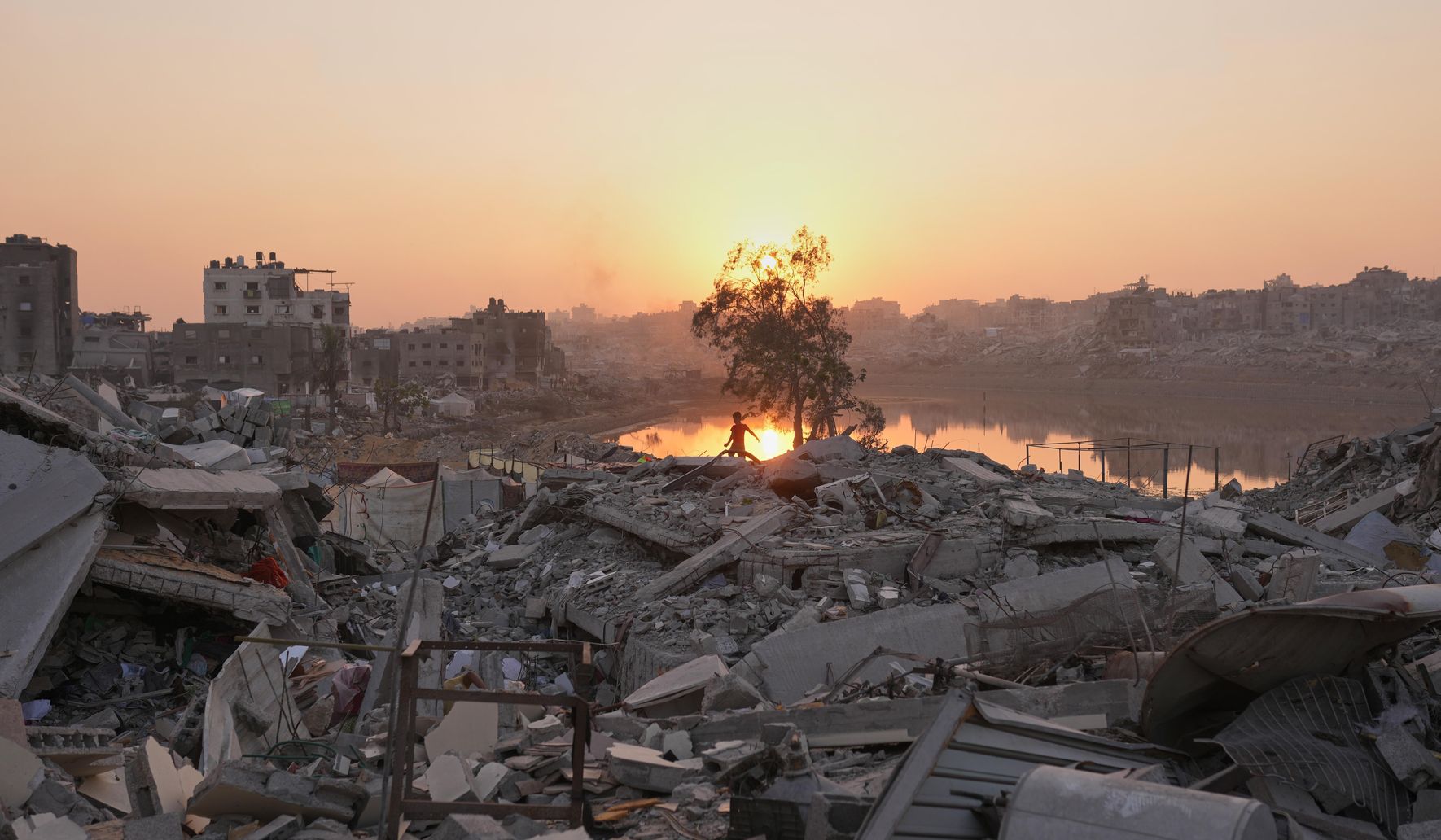
U.S. President Donald Trump’s son-in-law, Jared Kushner, met on Monday with Israeli Prime Minister Benjamin Netanyahu to discuss the next stages of the fragile Gaza ceasefire
The diplomatic push is practical and unapologetic: support Israel, secure civilians, and pressure Hamas to stop attacks. This meeting signals continued U.S. involvement in weighing how to transition from temporary quiet into durable security. The stakes are high for regional stability and for American credibility as a mediator.
Kushner’s role has been to carry American leverage into sensitive talks without sidelining Israeli security priorities. Republican instincts favor negotiating from strength, and that is the posture Kushner brought to the conversation. The aim is to produce agreements that make attacks less likely and make sure the ceasefire holds beyond the headlines.
On the ground, a ceasefire that is merely a pause invites relapse unless it is backed by enforcement measures and clear consequences. Republicans argue that deterrence is not optional; it is the only reliable foundation for peace. That means concrete steps to degrade militant capabilities and to block resupply routes used by hostile groups.
Humanitarian concerns are real and immediate, and American policy must reflect both compassion and strategic clarity. Delivering aid to civilians should not come at the expense of long-term security arrangements. Aid distribution needs robust monitoring to prevent diversion to armed groups and to ensure it reaches those most in need.
Any path forward must answer basic questions: how will Israel prevent future attacks, how will hostages be handled, and who enforces the terms of the agreement? Republicans emphasize that Israel cannot be placed in a position where it is forced to accept vague promises instead of verifiable security guarantees. Strong verification and rapid remedies for violations are essential.
Political leaders in Washington should be candid about the limits of diplomacy without military pressure. Negotiations work best when the other side knows there is a credible cost to breaking a deal. That reality shapes what Kushner and Netanyahu discussed: arrangements that combine incentives for compliance with clear deterrence measures.
Regional actors will test any new arrangement, so the United States must coordinate with allies while insisting Israel’s right to defend itself is nonnegotiable. A successful framework will encourage neighboring states to back containment and reconstruction efforts rather than undermine them. U.S. policy should aim to convert temporary pauses into durable patterns of behavior that reduce cross-border violence.
Reconstruction will be part of the calculus but cannot come first. Rebuilding civilian infrastructure without first securing borders and disarming militants risks funding the next wave of violence. Republicans prefer a sequence that locks down security, then channels reconstruction funds through vetted and accountable mechanisms to avoid empowering extremist elements.
Domestic politics matter for any deal because Congress controls money and oversight. Republican lawmakers will demand transparency, conditions on aid, and clear metrics for success. That political reality shapes what Kushner can realistically negotiate and what Israel can reasonably accept while preserving its sovereignty.
Public messaging is crucial: Americans need to understand why backing Israel aligns with U.S. national interest and regional stability. Messaging should stress that supporting a democratic ally and protecting civilians are not contradictory. Clear, forceful communication reinforces the bargaining position and helps build the coalition needed to make any ceasefire stick.
For negotiators, the immediate task is simple but unforgiving: translate a fragile truce into verifiable rules that reduce violence and protect innocents. That requires hard choices, measured patience, and the willingness to apply pressure when promises are broken. The meeting on Monday was one step in a long process that will test American leadership and Israeli resolve.

