

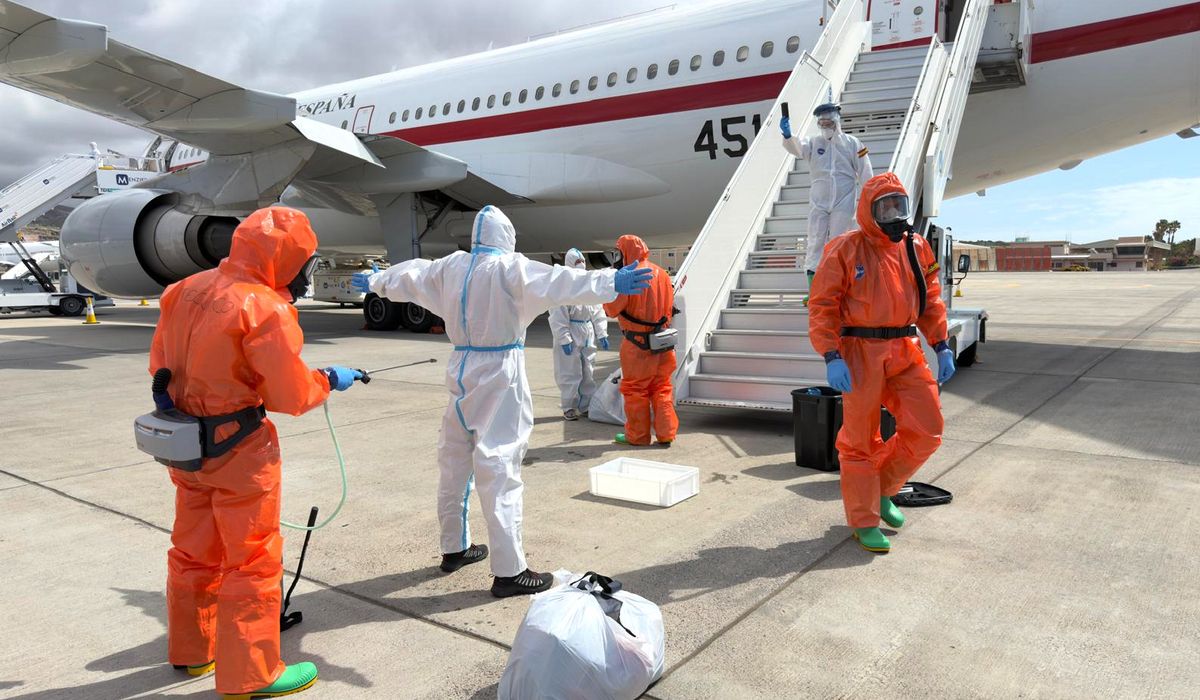
Seventeen American passengers were evacuated from a Canary Islands cruise ship, and one of them has tested positive for hantavirus while showing no symptoms, U.S. health officials said late Sunday.
Officials confirmed that 17 U.S. citizens were taken off a cruise ship in the Canary Islands after concerns about possible exposure led to evacuation. One among that group returned a positive hantavirus test yet remains asymptomatic, a detail officials relayed late Sunday. The story has prompted fresh attention to how infectious disease risks are handled on international vessels. Local authorities and U.S. health teams are coordinating follow-up steps for the travelers.
Hantaviruses are a group of viruses most often associated with rodents, and human infections are relatively rare. When hantavirus infections do occur, they can range from mild or symptomless cases to severe respiratory illness, depending on the strain and the patient’s condition. Health officials emphasize that transmission is typically linked to contact with rodent droppings or nests, not casual person-to-person contact in most regions. That distinction shapes the initial response and the level of concern for the wider ship population.
Testing protocols for people coming off ships usually include a battery of checks tailored to the suspected agent, and in this case testing identified that single positive result. Because the person is asymptomatic, public health teams are focusing on monitoring and repeat testing rather than immediate hospitalization. Contact tracing on a cruise ship presents logistical hurdles, so authorities are cataloging close contacts and recent movements aboard the vessel. Those measures help determine whether additional exposures might have occurred.
Clinically, hantavirus infection can show up with fever, muscle aches and shortness of breath if it progresses, but those signs can take days to appear. Medical teams often watch exposed individuals for a window of time based on known incubation periods, and they advise seeking care quickly if any respiratory symptoms develop. There is no specific antiviral treatment proven to cure hantavirus infections, so management usually centers on supportive care and careful monitoring in a medical setting when needed. Early detection improves the chances of a positive outcome.
Ship operators and port health officials tend to respond to any potential infectious disease with containment and sanitation efforts, including isolating suspected cases and stepping up cabin and public-area cleaning. Given how cruise ships concentrate large numbers of people in tight quarters, organizers frequently coordinate with local health authorities to ensure safe disembarkation and medical evaluation. Passengers who are evacuated typically undergo testing and are advised on any needed follow-up, which may include self-isolation or medical observation back home. Those steps aim to prevent secondary spread while letting authorities learn what happened.
From a public-health perspective, the immediate questions are how the exposure occurred and whether the ship environment contributed to risk. Investigators will look for potential rodent activity, contaminated spaces and other environmental clues that match known hantavirus transmission patterns. If rodent exposure is identified, that would point toward a localized problem rather than onboard person-to-person transmission. Findings will guide any required sanitation, pest control and policy changes for future sailings.
For the Americans involved, follow-up care and testing will likely continue after they return to the United States, with health officials keeping a close eye on any changes in condition. Local health departments usually handle the downstream monitoring once travelers are home, coordinating with federal agencies as needed. Officials may recommend repeat testing or a defined observation period depending on clinical guidance and test timing. That approach balances vigilance with the understanding that many exposures never develop into severe illness.
Passengers and crew watching this situation can expect thorough reporting from health authorities and possibly extra screenings at ports after such an incident. Transparency about what was found, how the positive case was managed and what precautions are being taken will shape public confidence and operational decisions for future voyages. Meanwhile, routine preventive steps—good hygiene, reporting sightings of rodents and prompt medical attention for symptoms—remain the baseline defense against hantavirus risks in travel settings.

