

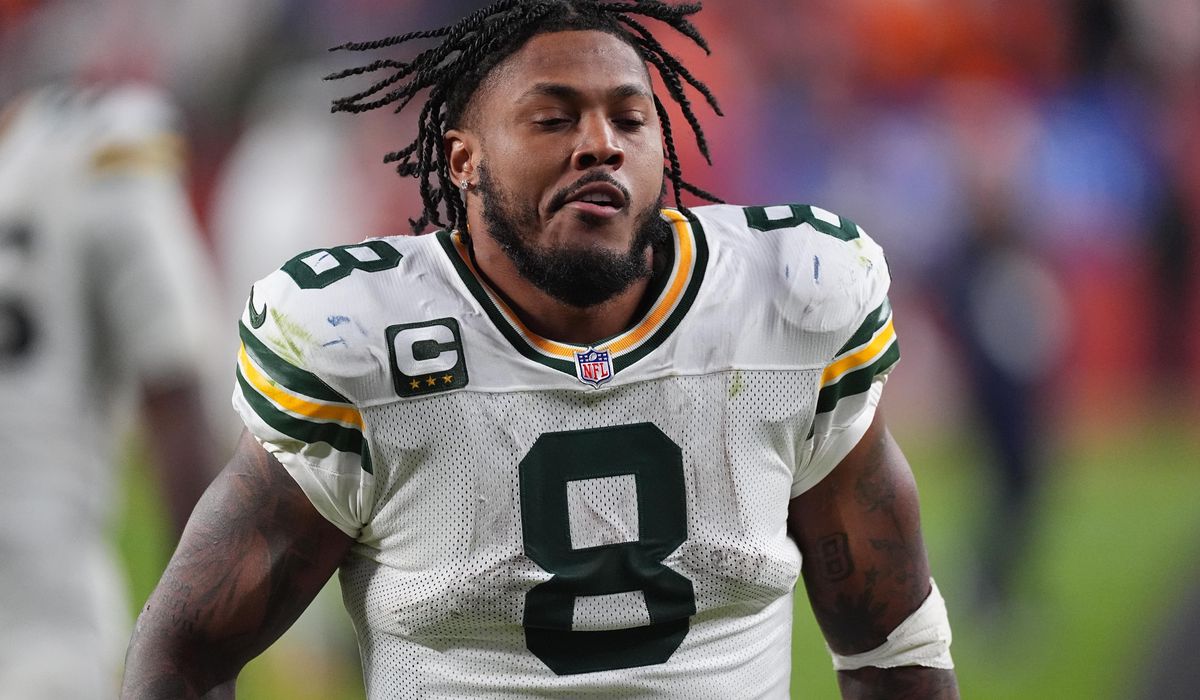
A weekend disturbance involving Green Bay Packers star Josh Jacobs has escalated into criminal charges, legal scrutiny, and questions about how teams and the league handle off-field incidents.
Green Bay Packers running back Josh Jacobs is facing five criminal charges, including strangulation and suffocation, after police responded to a disturbance complaint involving him over the weekend. That exact report set off a rapid chain of public reaction, legal motions, and media attention centered on one of the NFL’s higher-profile backs. The timing and severity of the allegations have complicated routine game-week narratives and shifted focus to accountability and due process. Fans and observers are watching closely as the situation unfolds.
Authorities say the charges follow a disturbance call, and standard procedure now includes filings, probable cause reviews, and an arraignment. At this stage, the court process will determine the specific legal trajectory, and any criminal matter moves at the pace of filings and hearings rather than headlines. Legal teams typically review bodycam footage, witness statements, and other evidence before advising on defense strategy. That process can reshape both the public story and the eventual legal outcome.
From a team perspective, organizations face a balancing act between supporting a player and protecting the franchise’s reputation. Teams often consult legal counsel, the player, and the league office when deciding immediate steps like leave, active roster status, or internal discipline. The NFL’s personal conduct policy allows for independent investigation and potential discipline separate from criminal results. That means even without a conviction, the league can impose penalties based on its own standards.
Public reaction tends to be polarized in these cases, with passionate takes from fans, commentators, and sponsors. Some will insist on a presumption of innocence until proven guilty, while others will demand swift accountability regardless of legal outcome. Social media amplifies both demands and defenses, creating an environment where reputations can be permanently altered long before courts finish their work. That dynamic puts pressure on everyone involved to move carefully and deliberately.
For the player, legal exposure brings immediate practical concerns beyond courtroom strategy, including travel restrictions, contact with teammates, and mental health challenges. The emotional toll of high-profile allegations can be significant and affect performance, team chemistry, and personal relationships. Advisors often recommend stepping back from public-facing duties until key legal milestones are reached. Privacy and safety considerations become priority decisions for the player and those close to him.
Media coverage of such incidents shapes public perception and can influence how quickly institutions respond. Reporters piece together court documents, police reports, and statements, but early reports can lack context or complete facts. Responsible outlets flag unverified details and update stories as new information emerges, while others rush to definitive-sounding takes. Consumers of news should expect corrections and clarifications as the record becomes clearer over time.
The legal calendar will dictate the next visible events: filings, hearings, possible bail conditions, and pretrial motions. Each step offers more clarity on allegations, evidence, and potential defenses. Defense counsel may seek to limit the admissibility of certain material or to negotiate resolutions that avoid prolonged trials. Meanwhile, prosecutors evaluate whether the evidence supports moving forward on all counts.
Beyond courts and locker rooms, sponsors and partners monitor developments closely and may alter relationships if reputational risk rises. Contracts often contain morality clauses that give companies latitude to pause endorsements pending legal outcomes. How businesses react can ripple back to the player and the team, affecting income streams and public image. Those decisions are typically made behind closed doors and reflect each partner’s tolerance for controversy.
As the case moves forward, citizens and fans will see updates through official filings, team statements, and court proceedings rather than rumor. The legal system aims to sort facts from allegations, and it will be up to judges and juries to weigh evidence. In the meantime, the situation remains a developing story, with every new document or statement reshaping the narrative and the stakes for everyone involved.

