

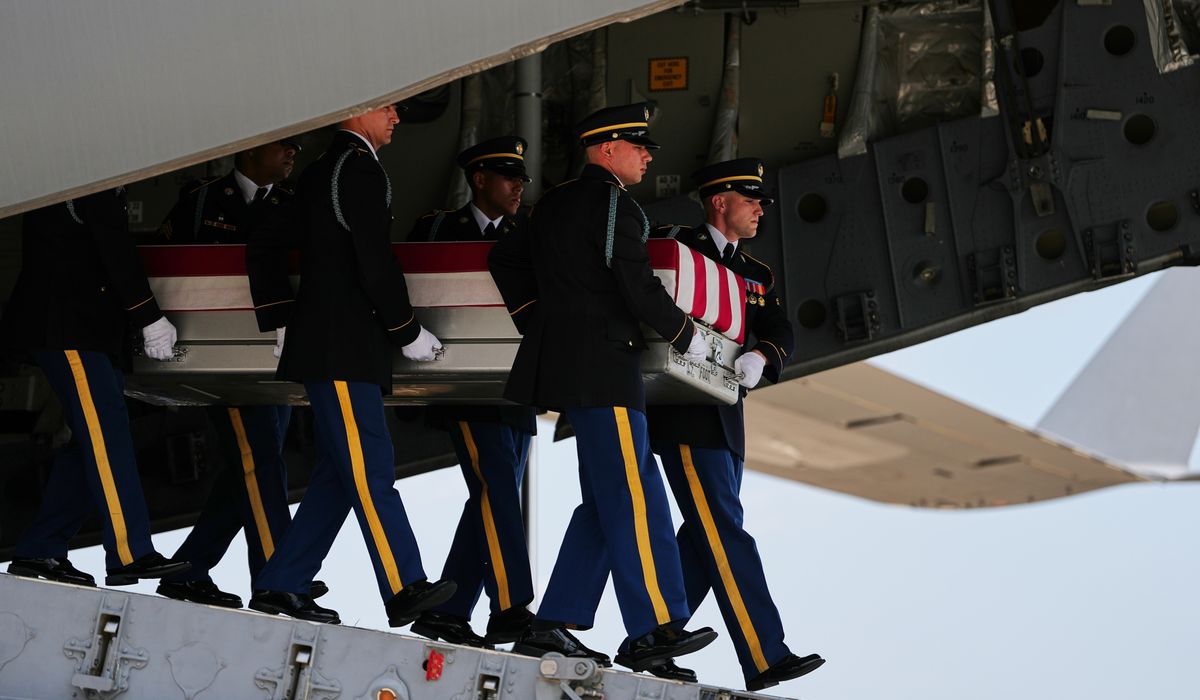
The Pentagon has added a separate entry to its official casualty system to cover U.S. personnel killed and wounded amid renewed clashes with Iran, a move that changes how those losses are recorded and discussed. Officials say this adjustment reflects the distinct circumstances of recent operations, and it matters for reporting, benefits and oversight. The change has already drawn attention from lawmakers, veterans groups and the public who want clear, consistent information.
The Pentagon said a new, separate category was created in its official casualty system to account for those killed and wounded in the renewed U.S.-Iran fighting because “Operation Epic Fury,” and officials insist the measure is administrative, not a revision of policy. This addition is meant to isolate these specific events within the records so they can be tracked and reviewed independently of other combat operations. The department framed the move as a way to ensure the numbers tied to those exchanges are properly categorized for reporting and support.
Creating a distinct category for casualties changes how the Defense Department tallies and presents data to the public and to Congress. It affects everything from daily briefings to long-term analyses about force posture, readiness, and the human cost of particular operations. For families and veterans it can also change how incidents are identified when benefits or memorial recognitions are processed, so the technical classification carries real-world consequences.
From a Republican perspective, the reaction is straightforward: transparency and accuracy matter, and anything that appears to obscure or reframe losses deserves scrutiny. Lawmakers on the right are likely to press for clear documentation showing why a separate category was necessary and whether it alters historical comparisons. Veterans and their advocates will want assurances that this is not a way to minimize casualties or delay benefits tied to a recognizable conflict name.
The practical effects on service members and their loved ones are immediate and personal. Accurate categorization influences casualty notifications, records used to award honors, and the paperwork that supports survivor benefits. If the new category introduces delays or confusion, those consequences will be felt by the people who depend on timely, correct information the most.
Politically, the situation raises questions about how the executive branch communicates military developments and how Congress exercises oversight. Committees that handle defense and veterans affairs will likely ask for briefings and for the data behind the classification change. Republicans will push for prompt, transparent answers and for a system that treats every casualty with the clarity and respect it deserves.
Operationally, isolating an event in the casualty system can help analysts understand patterns, resource strain and potential gaps in force protection or intelligence. But it also sets a precedent: future incidents could be placed in bespoke buckets for reasons that range from tactical to political. The Department of Defense will need to show that this was a procedural necessity tied to real operational distinctions, not a bookkeeping choice made for convenience.
Ultimately, the new entry in the casualty database is more than a line item; it is a signal about how the military, Congress and the public will talk about this phase of U.S.-Iran tensions. Those who value accountability will watch closely for full transparency in the data, prompt briefings to oversight bodies, and confirmation that families receive the same support regardless of classification. The conversations this decision sparks will shape expectations for how the Pentagon reports losses going forward.

