

Turkey’s move to let Russian oil reach Hungary has shaken a diplomatic chord in Europe, bringing energy security, national sovereignty, and geopolitical balancing into sharp focus.
Turkey’s decision to keep acting as a conduit for Russian crude to Hungary has immediate energy consequences and long-term political implications across the continent. The move tests how far European capitals will push allies before energy realities trump political signaling. Economies that rely on stable fuel supplies care more about tankers and pipelines than diplomatic lectures.
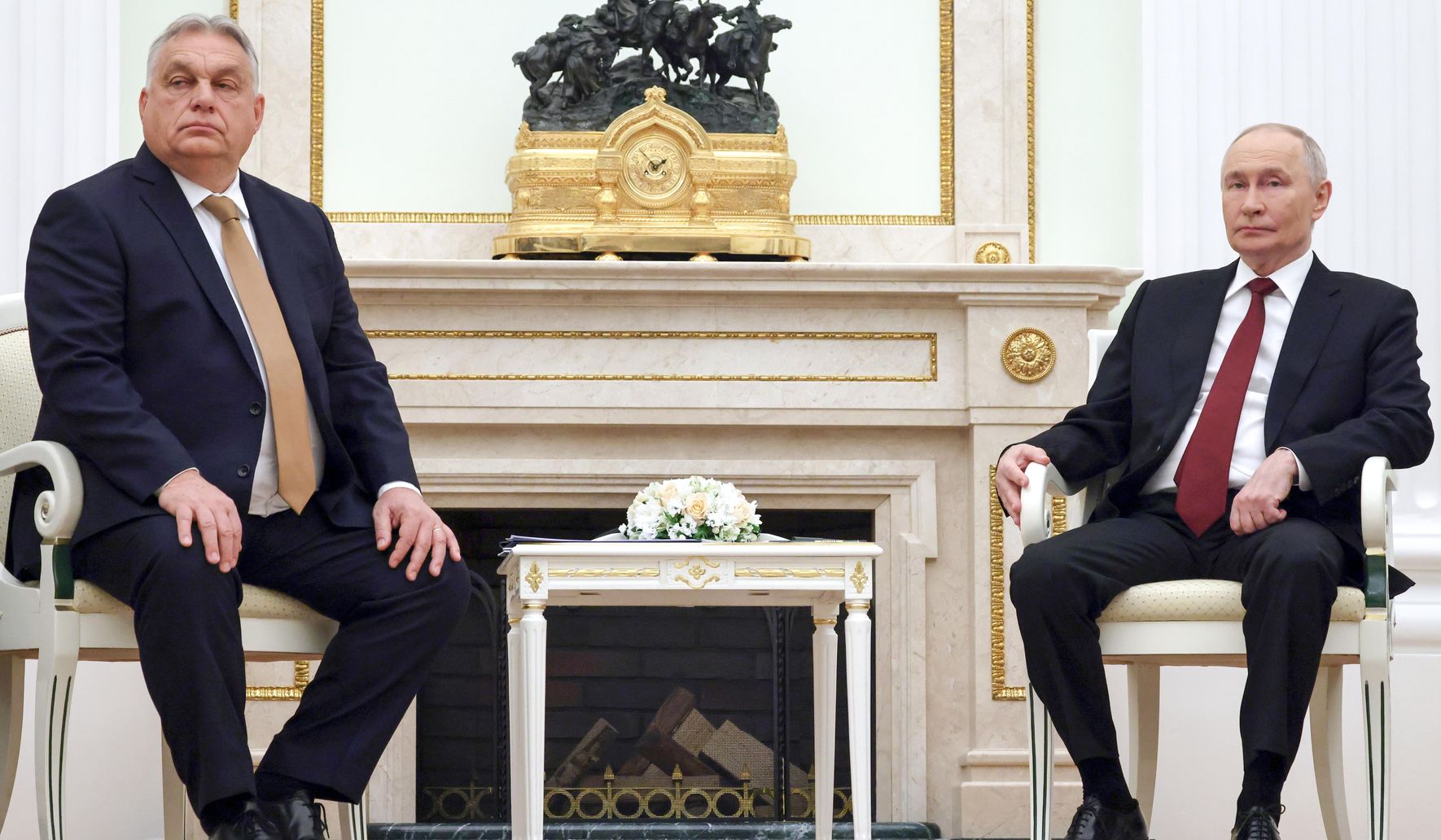
“Turkey will continue to allow Russian oil to flow to Hungary, despite protests from European powers, Hungarian Prime Minister Viktor Orban announced Monday.” That sentence landed as a clear, public assertion of bilateral arrangement and sovereign choice. It frames the issue plainly: Ankara and Budapest are making a practical deal even as other capitals grumble, and that matters for consumers and industry.
Hungary has long flagged its dependence on reliable energy sources and has resisted broader European moves that threaten supply and price stability. For leaders focused on keeping factories running and homes heated, cutting ties in a way that spikes costs is political malpractice. From a conservative, practical standpoint, managing supply chains and honoring long-term contracts is about protecting voters and jobs.
Turkey sits at a strategic crossroads between East and West and has perfected the art of balancing. Ankara can assert autonomy by allowing transit while avoiding a full political alignment with Moscow, and that flexibility gives Turkey leverage in negotiations with both Brussels and Washington. The choice also reinforces Ankara’s role as a regional power broker rather than a simple EU satellite.
European institutions and several member states protested the arrangement partly because of sanctions regimes and the political optics of moving Russian oil through a NATO member’s transit routes. Those concerns are real, especially given the broader effort to deter aggression and uphold collective responses. Still, when sanctions collide with energy shortages, a tough-minded view sees national interest and energy security as compelling reasons to consider exceptions.
Critics warn that such transit agreements erode unified pressure on Moscow and could undermine the leverage that coordinated sanctions aim to create. Supporters counter that punishment must be calibrated to avoid crippling friendly populations and economies. The debate highlights a fundamental divide between ideal policy and achievable policy—between maximally signaling to an adversary and keeping a country’s lights on.
From a Republican viewpoint, this episode underscores the necessity of sober, results-oriented foreign policy. Idealism has its place, but it cannot be allowed to override energy security and strategic stability. Allies who pursue independent, pragmatic choices deserve respect when those choices keep people employed and energy prices manageable.
Logistics matter: pipeline capacity, shipping routes, and contractual obligations shape what states can and cannot do. Budapest’s reliance on external supplies explains its urgency, while Ankara’s geographic position makes it a practical partner for transit. That blend of geography and commerce often determines outcomes more than rhetoric in diplomatic communiques.
Observers will watch how Brussels responds, whether through formal objections, legal challenges, or adjustments in policy toward Hungary and Turkey. The situation could spur renewed debate about how the EU balances collective norms with the messy reality of national survival. Whatever happens next, it’s clear that energy decisions will keep shaping politics across the continent for the foreseeable future.

