

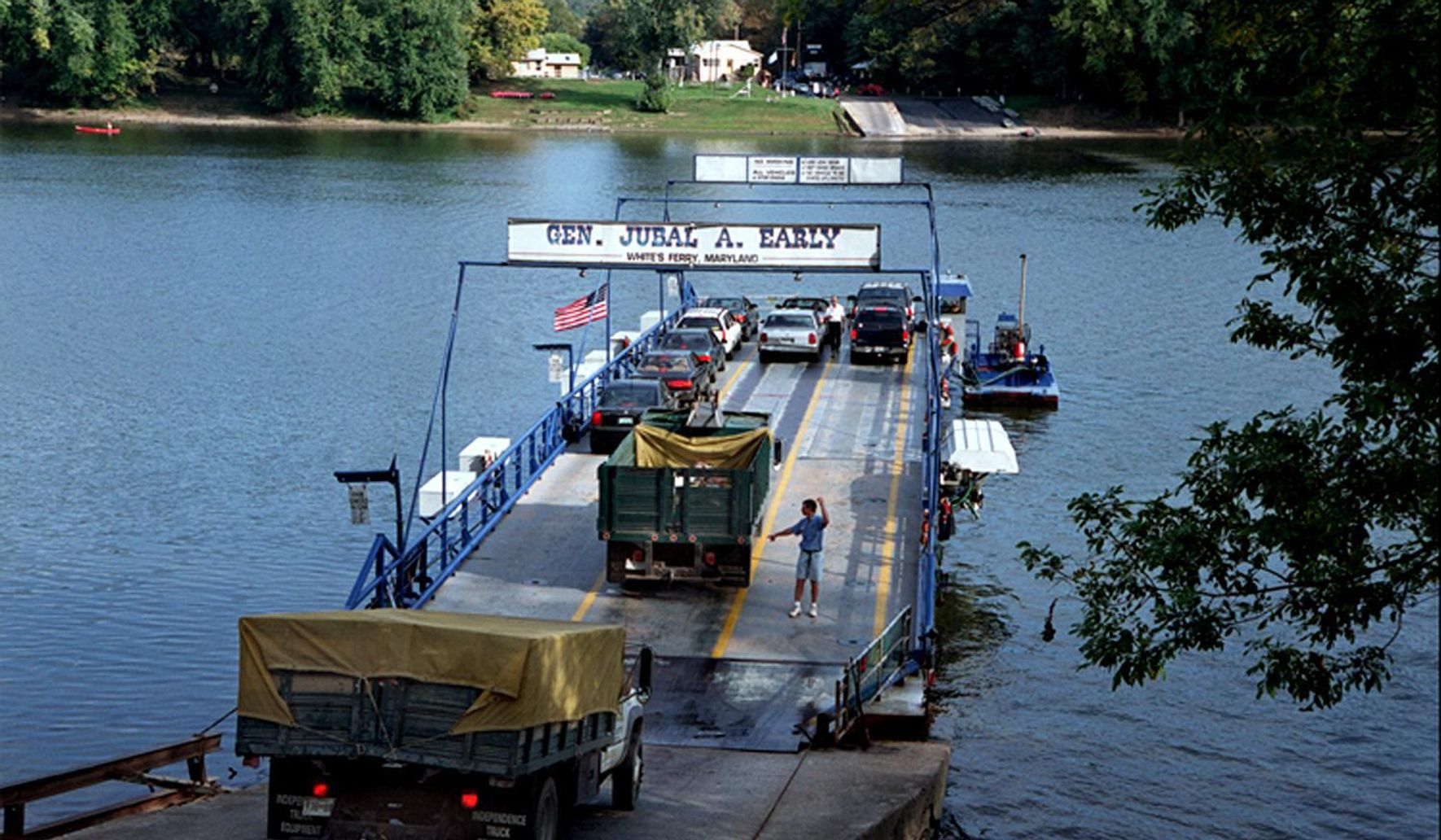
Poolesville residents and neighbors gathered Tuesday at the former site of White’s Ferry along the Potomac, pressing for the ferry to restart service and restore a long-used river crossing.
The crowd at the former ferry landing was steady and vocal, with people of different ages showing up to make a point about access and local routine. The scene mixed frustration with determination as residents described how the absence of the ferry has changed daily life. Many said reopening would reconnect communities that once depended on that river crossing.
For decades, the ferry provided a simple link across the Potomac that shaped commutes and local commerce, and its absence has been felt in grocery runs and school trips. People at the rally pointed to missed opportunities and longer drives that now replace a short boat ride. Those disruptions are part practical, part symbolic for a community that remembers the ferry as a neighborhood fixture.
Speakers at the gathering emphasized the ferry’s role in keeping small businesses afloat and reducing wear on roads that carry longer detours. Residents described how customers and suppliers now face higher costs and slower routes when the direct crossing is gone. The economic ripple has become one of the rally’s clearest talking points.
There was also a cultural element to the call for reopening, with locals framing the ferry as part of the Potomac’s shared history. People brought up memories of family outings and routine crossings that felt ordinary until they stopped happening. That mix of nostalgia and practicality fueled a steady stream of complaints and appeals during the event.
Organizers kept the tone focused on solutions rather than political theater, urging responsible parties to find a path forward. Attendees urged clear timelines and cooperative plans so residents could start planning commutes and business logistics again. The message was practical: get the crossing working, and do it reliably.
Neighbors described small, everyday hardships that pile up when a simple route is removed, from longer school runs to delayed deliveries and bigger fuel bills. Those lived experiences gave the rally a grounded urgency that went beyond slogans. For many, reopening the ferry means restoring a dependable link that once made life easier.
Some participants noted how the closure affected regional traffic patterns, pushing more vehicles onto bridges and congested local roads. That added congestion has consequences for safety and for travel time across the area. Reducing that pressure was another reason people wanted the ferry back in service quickly.
The gathering included a cross section of the community, which highlighted how widespread the impact has been across ages and occupations. Farmers, commuters and older residents all showed up with similar requests and similar frustrations. That unity underscored the sense that reopening the crossing is not a niche concern but a shared civic need.
While the rally aimed to bring public attention, attendees also wanted concrete follow-through, asking for timelines and accountability from those who can affect change. They pressed for regular updates and clear steps so they could measure progress rather than wait in uncertainty. The tenor of the crowd made it clear they expect more than words.
By the end of the afternoon, voices were still rising for a return to the routine that made the ferry a neighborhood asset. People left with the sense that the issue will not fade quietly from local conversation. Whatever comes next, the gathering made plain that reopening the ferry matters to life along this stretch of the Potomac.

