

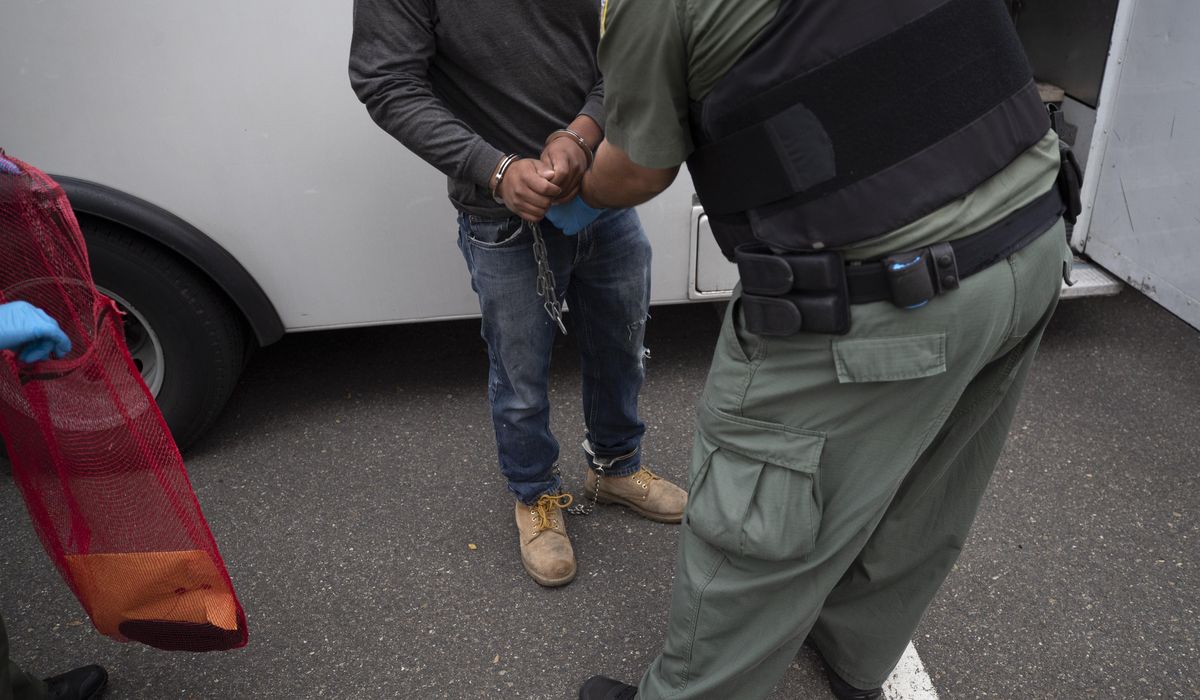
A coalition of pro-Trump immigration groups is urging President Trump to dramatically escalate deportations, press employers who hire undocumented workers, and deploy the IRS as a tool to track enforcement efforts.
A loose coalition aligned with Trump wants a tougher, more systematic approach to removing illegal immigrants from the country. Their calls center on stronger enforcement on the ground, going after the employers that create demand for illegal labor, and using federal agencies in new ways to identify and penalize violations. The message is clear: enforce the law more aggressively and use every available federal resource to do it.
First, the coalition wants deportations to be faster and more decisive. That means shifting from case-by-case discretion to a much broader policy of removal for those found to be in the country illegally. Supporters argue that predictable, consistent enforcement deters illegal entry and rewards legal immigration channels.
Second, the groups emphasize holding employers accountable for hiring undocumented workers. The strategy they propose targets businesses that use the cheaper labor pool created by open borders. By going after payroll records, penalties, and repeat offenders, the coalition believes the market incentive for illegal hiring can be removed.
Third, the coalition suggests tapping the IRS and other federal databases to make enforcement smarter and more efficient. The idea is to use tax filings, wage reports, and other financial signals to pinpoint illegal employment networks. Using the tax system in this way would allow enforcement to move beyond checkpoints and arrests and into the ledgers where illegal labor shows up.
Local jurisdictions that refuse to cooperate with federal immigration measures are another focus. The coalition argues that sanctuary policies create safe havens that undermine national enforcement efforts and protect criminals who should be removed. They favor conditioning certain federal funds and cooperation agreements on compliance with federal immigration law.
Proponents say the approach is not about punishing immigrants but about restoring rule of law and protecting American workers. The coalition frames employer enforcement as a worker protection issue, arguing that illegal hiring drives down wages and undercuts fair employers who follow the rules. They portray stronger removals as one piece of a broader plan to prioritize citizens in the labor market and to protect legal pathways to work.
Critics warn that aggressive enforcement can strain local law enforcement and community relations, and that using financial surveillance raises civil liberties concerns. The coalition, however, pushes back by stressing legal avenues and existing statutes that already grant federal agencies broad authority to pursue tax violations and employment fraud. Their position is that enforcement can be both lawful and effective when pursued with clear priorities.
The coalition also wants better interagency coordination, suggesting that ICE, the Department of Labor, the IRS, and state law enforcement should work together on targeted sweeps and investigations. The goal is to combine immigration enforcement with fraud investigations that disrupt employer networks. They argue such coordination will multiply the impact of each removal and reduce the incentive for employers to engage in illegal hiring schemes.
Public messaging is part of the plan as well. The groups recommend a straightforward narrative that links enforcement to national sovereignty, rule of law, and economic fairness. They believe a direct message will build support among voters who are concerned about jobs, safety, and the integrity of the immigration system.
Ultimately, the coalition is pressing for a more aggressive posture that uses enforcement tools in every corner of the federal government. Their proposals span immediate operational changes and broader policy shifts intended to reshape employer behavior and reduce illegal immigration through enforcement. The conversation continues among policymakers weighing the legal, practical, and political tradeoffs of such a hardened stance.

