

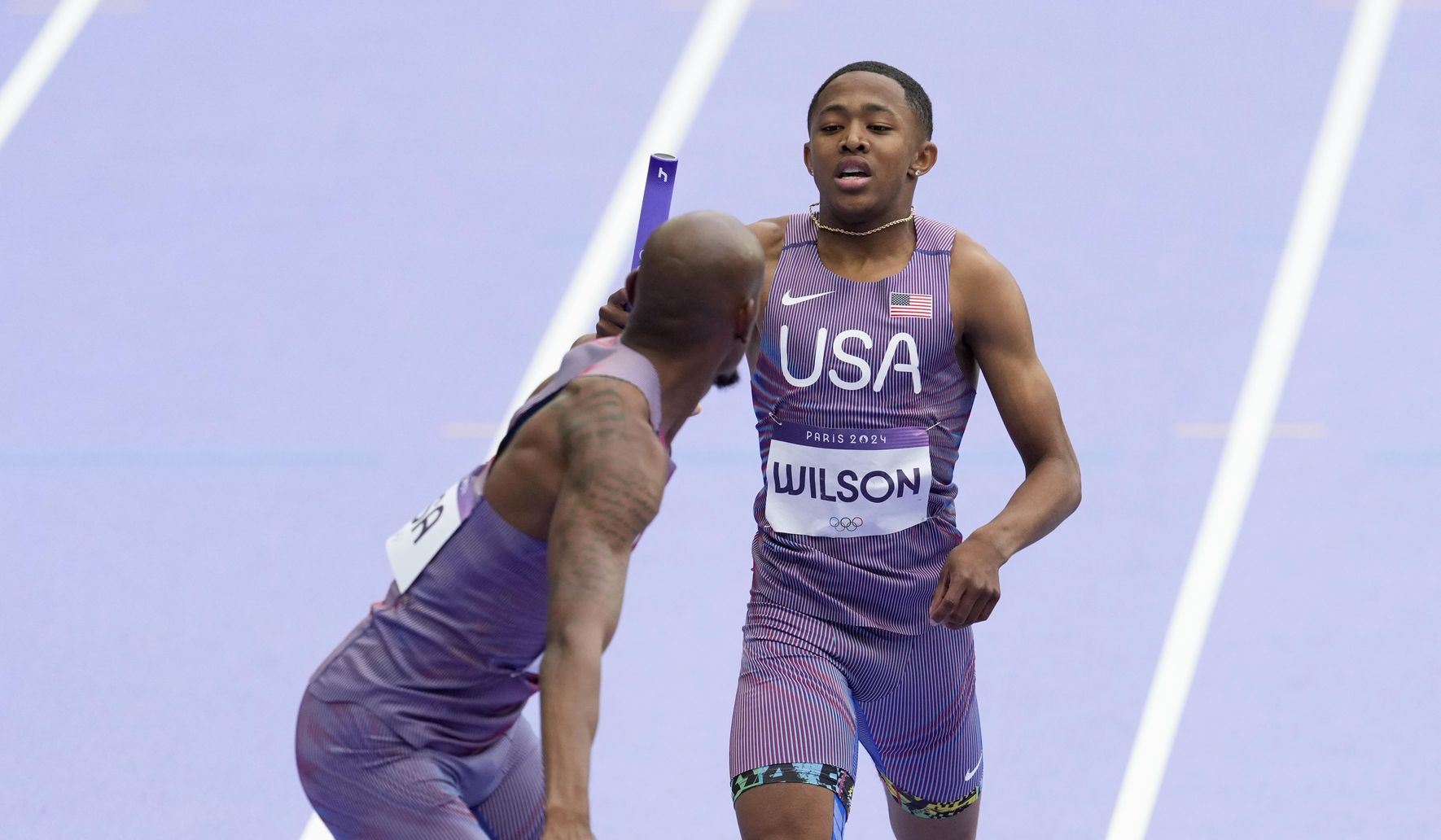
Quincy Wilson, the youngest track and field gold medalist in Olympic history, is staying home and has committed Monday to run track at the University, a choice that shifts his immediate focus from global medals to local development and long-term growth.
Quincy Wilson shot into the spotlight by helping Team USA win the 4×400 meter relay at the 2024 Games, and now he’s chosen a path that keeps him close to home. That decision surprised some who expected an immediate pro jump, but it underlines a different set of priorities. Staying home signals a commitment to building a sustainable career rather than chasing quick contracts.
The label “youngest track and field gold medalist in Olympic history” sticks to him for good reason, and it carries weight beyond headlines. That kind of achievement brings visibility, endorsement interest, and pressure, yet Wilson’s move suggests he wants structure and coaching continuity first. Committed Monday to run track at the University, he will have access to organized competition and academic support while refining his craft.
For track athletes, the transition from junior standout to senior contender is rarely linear, and even Olympic success doesn’t erase growing pains. Choosing to stay in a collegiate program can mean consistent training cycles, regular meets, and recovery systems designed for long-term peak performance. It also offers a team environment where relay chemistry and race tactics are rehearsed repeatedly rather than improvised on the fly.
Relays like the 4×400 meter require trust and timing, and Wilson proved he can handle that pressure on the biggest stage. At the same time, collegiate seasons give athletes many more opportunities to practice baton exchanges, pacing, and split strategy in real competition. That daily rhythm is often what transforms a gifted sprinter into a dominant, reliable presence at global championships.
Staying home also matters beyond the track. Family support and familiar surroundings can stabilize a young athlete’s life when fame arrives suddenly. For someone who suddenly wears the mantle of a national champion, the quieter rhythm of university life provides a buffer against distraction and helps maintain focus on training goals. It’s a pragmatic choice that prioritizes development over immediate spectacle.
Coaches in college programs are used to molding raw talent into elite performers, and they bring experience with periodized plans, nutrition, and injury prevention. Those systems matter when the goal is sustained excellence across Olympic cycles rather than a single breakthrough. Wilson’s new environment should offer tailored programs that account for his unique needs as a recorder-setting young athlete.
The decision will change how opponents and fans view him, too — from a flash of Olympic brilliance to a consistent presence at national and collegiate meets. Opponents now have more head-to-head opportunities to study his race habits, strengths, and weaknesses, which will likely raise his game. For the public, seeing him compete regularly is a reminder that champions are also students of their sport, not just highlight reels.
Financial considerations often push athletes toward professional deals, but staying in college can be framed as an investment in future earning power. Improved performances, solid development, and a strong competitive record can command better sponsorships and endorsements down the line. Wilson seems to be thinking beyond the immediate payday toward a career that can last through multiple seasons and major championships.
Ultimately, this move tests the old debate in track: sprint to the professional ranks or build patiently in a collegiate setting. Quincy Wilson choosing to stay home and compete at the University tilts that debate toward patience and process. Whatever comes next, his Olympic gold and title as the youngest track and field gold medalist in Olympic history are foundations to build on, and his new chapter looks like it will focus on steady growth and smarter preparation.

