

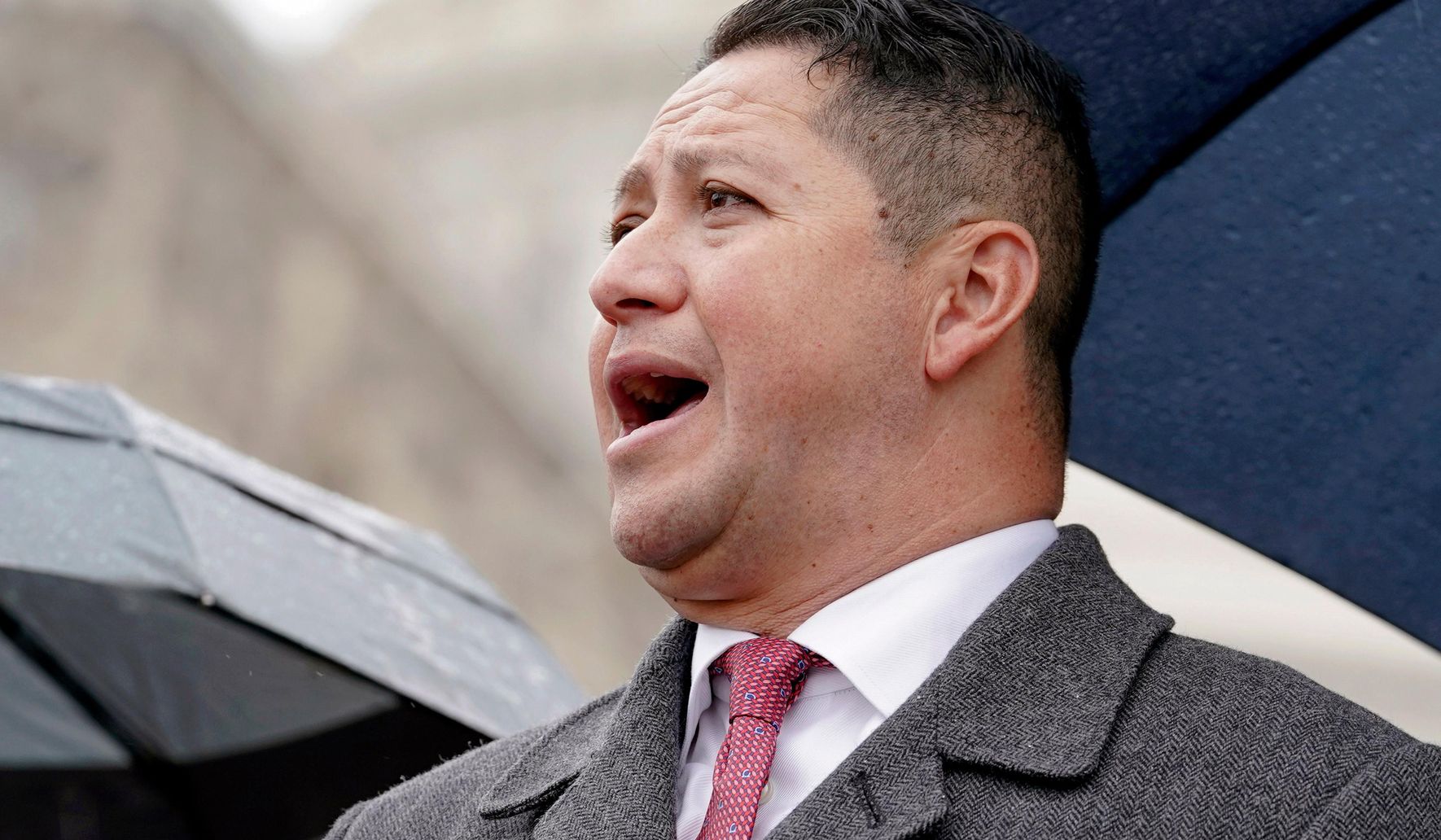
Rep. Tony Gonzales acknowledged an extramarital relationship with a staffer who later died by self-immolation and has said he had nothing to do with her tragic suicide.
Rep. Tony Gonzales, a Texas Republican, confirmed publicly on Wednesday that he had been involved in an affair with one of his employees. The staffer later died by self-immolation, a shocking act that has left many questions and a community in grief. Gonzales has insisted he was not involved in her decision to take her own life and has made that denial clear in statements to reporters. The situation is both a personal tragedy and a political headache for a sitting member of Congress.
The admission of the affair changes the frame for how people view the episode, but it does not equate to criminal responsibility. From a Republican perspective, the rule of law and a fair investigative process matter more than political theater. Rapid leaps to judgment based on headlines do a disservice to the family of the deceased and to the broader public. We need facts, not rumors.
Self-immolation is an extreme and rare act that points to severe distress, and that reality should guide our response. Mental health must be part of the conversation, even as the public and the press examine what happened. Asking how someone in a high-stress environment reached that point is legitimate, but it must be grounded in evidence. Compassion for the victim and concern for prevention should come before partisan advantage.
Gonzales’ public confession about the affair makes clear that he did not try to hide the relationship once it came to light. That candidness matters in politics, where secrecy often feeds suspicion. Still, admission of a moral failing does not mean legal culpability for another person’s tragic decision. Republicans emphasize accountability and personal responsibility, but we also caution against conflating moral lapses with criminal acts without proof.
The press and political opponents will probe every angle, and that is to be expected in a free society. Yet there is a line between vigorous oversight and invasive speculation that harms grieving people and impedes objective inquiry. Law enforcement should be allowed to complete its work unfettered by political pressure or nonstop public commentary. The focus must remain on uncovering facts, not on scoring points.
For Gonzales personally and for his office, the coming days will be about managing both legal and public relations fallout. Republican officials typically call for transparency and due process in situations like this. That means cooperating with any legitimate investigations, making factual disclosures where required, and respecting privacy where it is appropriate. Voters will weigh the facts and decide what this means for his role as their representative.
This episode also raises broader questions about workplace dynamics on Capitol Hill and the protections, policies, and culture that govern congressional offices. No workplace should be a place where people feel trapped or unsafe, and lawmakers from all parties should examine whether better safeguards are needed. Republicans can point to the importance of strong standards and personal accountability while also supporting measures that protect staff and reduce misconduct.
Ultimately, this is a human tragedy that intersects with politics, and it deserves a sober, fact-based response. Sensational headlines and partisan spins will not bring answers or solace. What is required now are careful investigations, clear communication, and a respectful approach to the people affected by this terrible loss. The nation deserves nothing less than the truth, pursued with integrity and without opportunism.

