

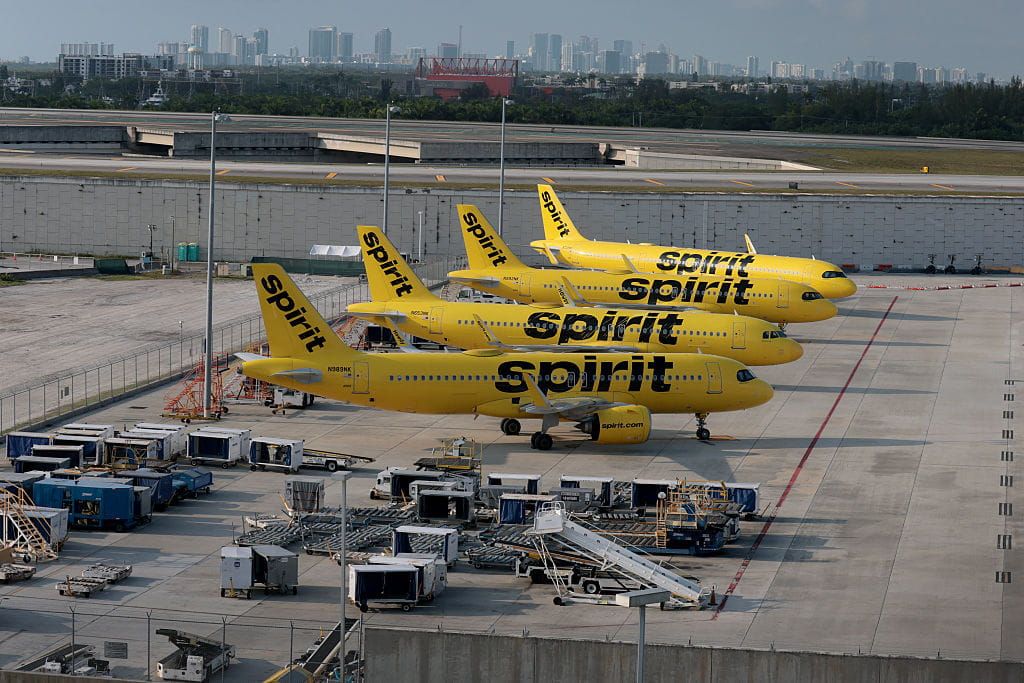
A ‘Biden Win’ Proves to be a Loss for Spirit Airlines — a clear example of how partisan signals can hit a budget carrier where it hurts: customers and the bottom line.
A 2024 post by Sen. Elizabeth Warren triggers backlash. The short, sharp fallout made it clear that when politics sneaks into branding or corporate remarks, travelers vote with their wallets and Congress notices. Spirit Airlines found itself stuck between a national political fight and the practical reality of running a low-cost carrier.
The airline’s situation shows how quickly reputational damage can translate into commercial pain. Loyal budget flyers expect low fares and predictable service, not headline-grabbing controversies linked to one side of the political aisle. Once the controversy spread, conservative customers who had long tolerated cutbacks and nickel-and-dime fees saw an easy target for protest.
Spirit’s leaders suddenly had to juggle damage control and basic operations. Instead of focusing on filling seats and trimming costs, management spent time responding to public outrage and calming investors. That distraction matters in a razor-thin-margin industry where every route and every revenue stream counts.
Republican voters and conservative commentators framed the backlash as an example of buying American values back from elites who think culture wars won’t affect commerce. People canceled flights, shifted loyalty to competitors, and used social media to amplify their displeasure. Those are market signals that investors and executives ignore at their peril.
The broader lesson for companies is straightforward: brand neutrality tends to protect sales across the political spectrum. Airlines survive by serving people in every state and every political persuasion, and when a carrier appears to favor one side, it risks alienating the other side that keeps planes full. The Spirit episode is a warning: partisanship can be a costly strategy for a mass-market service provider.
Policy makers notice these market reactions too. When consumers penalize a company for perceived political bias, it becomes a talking point in Washington about corporate overreach and marketplace fairness. That kind of attention can invite tougher scrutiny from regulators who already have an eye on consolidation, pricing, and consumer protections in the airline sector.
For Spirit, recovery means refocusing on fundamentals: reliable schedules, clear fees, and affordable fares without political flash. The airline does not need moralizing from the left or the right to succeed; it needs satisfied flyers who trust the carrier to get them where they need to go. If management can steady the ship, reclaim value with practical service improvements, and avoid political signaling, the market will eventually judge on performance rather than punditry.

