

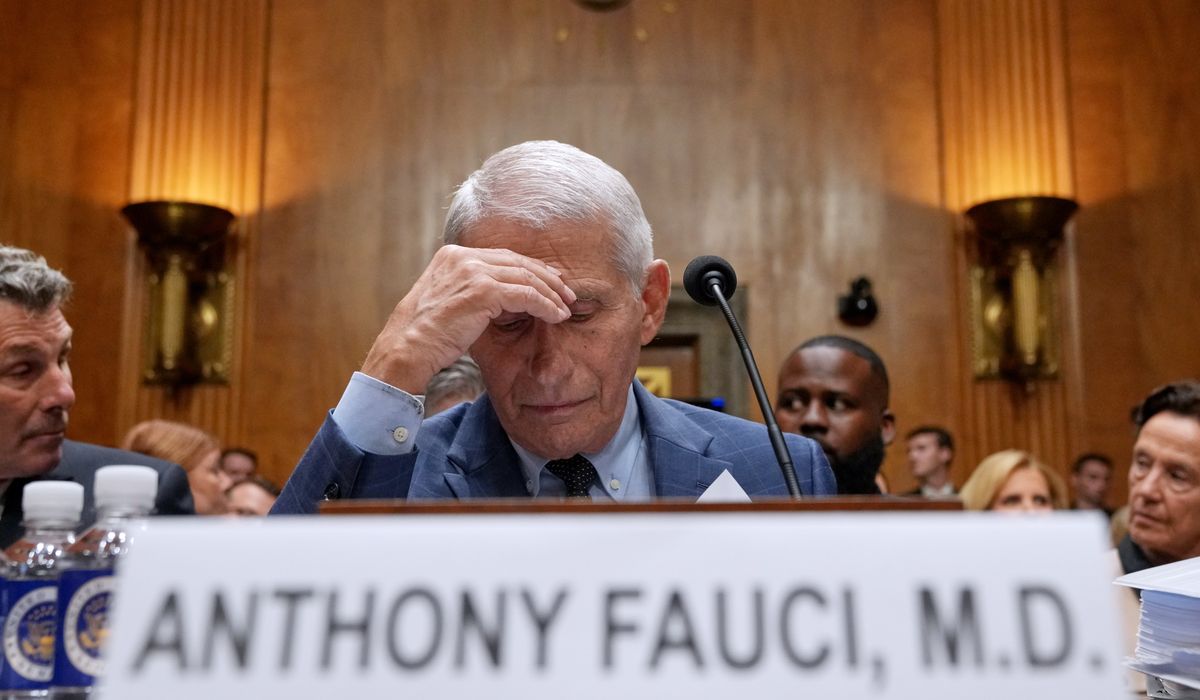
A Senate committee voted Thursday to hold Dr. Anthony Fauci in contempt of Congress for refusing to answer senators’ questions about his decisions and actions during the coronavirus pandemic.
The committee’s vote marks a rare show of force from lawmakers demanding answers from the top federal scientist who advised policy makers through the pandemic. Republicans pushing the move say it is about accountability and restoring public trust after years of shifting guidance and unanswered questions. The charge centers on Fauci’s refusal to respond to specific inquiries from senators about the internal decisions and communications that shaped the federal response.
Contempt of Congress is not a routine step. It is a formal way for the legislative branch to insist that witnesses comply with subpoenas and answer questions under oath. If the contempt citation stands, the committee can seek enforcement through the courts or refer the matter to the Department of Justice for potential prosecution. That path typically triggers legal fights that can last months, giving courts the final word on congressional oversight power.
From a Republican perspective, the vote is about more than procedure; it is a demand for transparency about how policy choices were made and communicated. Lawmakers and many voters want to see relevant documents, emails, and testimony that explain conflicting guidance on masks, school closures, and vaccines. The goal, advocates say, is to learn lessons that prevent future public health failures and ensure officials answer directly to elected representatives.
Opponents will frame the move as partisan and claim it politicizes science. That is an expected line, but it does not erase the basic oversight mandate Congress holds. When a public official declines to answer questions about decisions that affected millions, elected officials of both parties have a responsibility to press for clarity. Republicans argue that no matter how prominent the witness, transparency must come first to preserve confidence in institutions.
The contempt vote also has practical consequences for how quickly the truth can come out. Subpoenas and voluntary cooperation are different things, and when they collide the only remedies are legal enforcement or public pressure. Expect lawyers to get busy and for a tug of war between committee members and the executive branch. That process will reveal how seriously agencies will comply with congressional oversight going forward.
Public sentiment matters. Many Americans who lived through the pandemic remember mixed messages and rapidly changing rules. Those memories fuel interest in why specific choices were made and who advised those choices behind closed doors. Republicans backing the contempt vote are channeling that public frustration into a concrete effort to secure testimony and documents that have been withheld or delayed.
The next steps will likely involve motions, court filings, and continued hearings. Republicans say they will follow the legal path to force compliance rather than accept partial answers. The committee’s vote on Thursday is a clear signal that oversight will continue and that lawmakers intend to use every available tool to get the information they deem necessary.

