

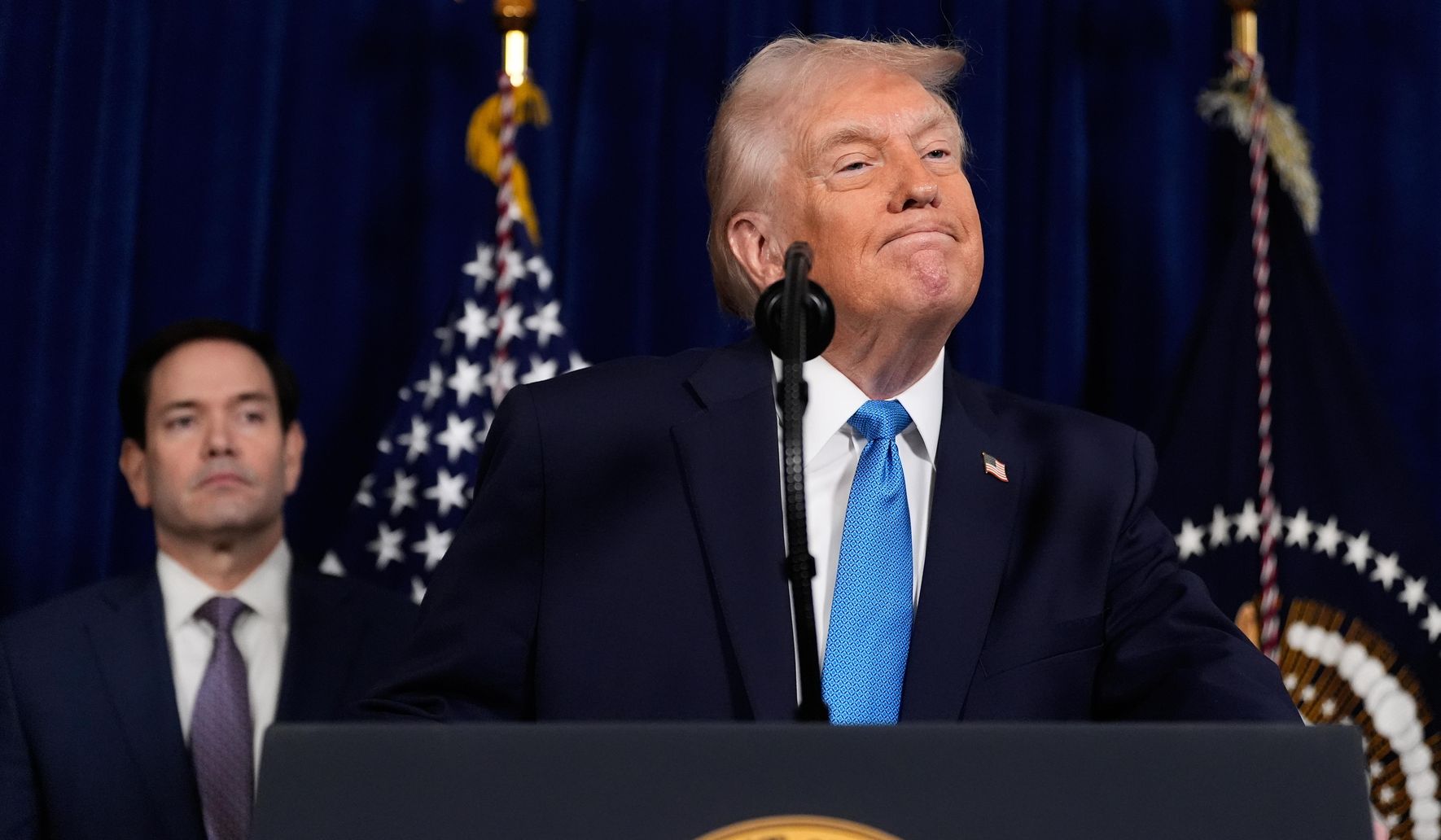
Senate Democrats plan a near-term vote on a war powers resolution that would force President Trump to end use of U.S. armed forces in hostilities against Venezuela unless Congress authorizes continued action.
Senate Democrats say they will force a vote next week on a war powers measure aimed at stopping U.S. military involvement with respect to Venezuela unless Congress gives explicit approval. The resolution would, in effect, direct President Trump to terminate the use of U.S. armed forces for hostilities against Venezuela unless Congress authorizes the action. That move sets up a partisan clash over who controls military decisions and how far Congress will go to reassert its authority.
From a Republican perspective, the timing and tone of this effort look political rather than prudential. Democrats are making a bold stand on war powers but are doing it in a way that could restrict the president’s ability to respond quickly to threats. Putting a hard stop on military options before the facts on the ground are fully known risks tying the hands of commanders and decision makers.
The Constitution gives Congress the power to declare war and the president the power to execute the nation’s security policy, which is why war powers debates are always tense. Republicans believe oversight matters, but it should work without undermining the commander-in-chief’s ability to act when Americans or vital interests are at risk. A rigid blanket rule that forces an automatic termination could undercut deterrence and leave gaps adversaries can exploit.
Venezuela is not just a distant crisis; its collapse has regional consequences that affect migration, drug trafficking, and security for neighboring countries. The Maduro regime’s brutality and economic ruin have created a humanitarian emergency that also creates instability at our doorstep. Republicans argue the United States has a stake in standing with democracy and confronting bad actors, while balancing risks and responsibilities.
At times, quick and discreet options are necessary to protect U.S. personnel, citizens, and partners. Lawmakers should provide clear authorities and support for responsible action, not legislate a one-size-fits-all cutoff that could prove dangerous in a fast-moving situation. A measured approach lets elected leaders exercise oversight without preventing commanders from protecting lives or responding to emergent threats.
Democrats will present their vote as restoring congressional control, and that rhetoric will play well for some voters. But the practical effect may be symbolic posturing that nonetheless creates harmful precedent. If the Senate sets a rule that forces termination without regard to consequences, it opens the door for future majorities to curtail presidential powers whenever they disagree.
Republicans can and should insist on accountability and transparency while resisting moves that would erode national security tools. That means asking for briefings, demanding legal justifications for any military steps, and ensuring Congress is consulted promptly. Oversight is not the same as a preemptive gag order on the president’s ability to respond to threats.
The coming vote also creates a political test for both parties. Democrats must explain whether their priority is reining in the executive or preventing any use of force, even when lives and allied interests are in danger. Republicans will have to articulate a clear alternative that defends constitutional roles, supports allies, and keeps options open for protecting Americans.
As the vote approaches, expect amendments, speeches, and last-minute bargaining that could reshape the measure or expose its limits. Lawmakers on both sides will be judged by how they balance Congress’s constitutional role with the practical need to defend national interests. The outcome will matter not just for Venezuela policy but for how Congress and the White House handle future crises where speed and judgment count.

