

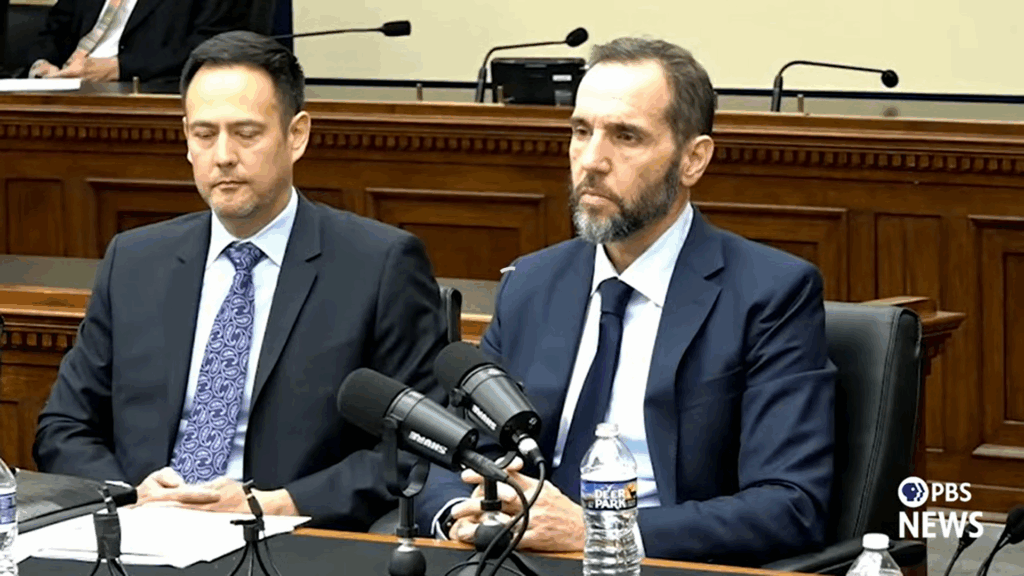
An appraisal of Special Counsel Smith’s response to Sen. Grassley’s information request and the transparency questions that follow.
If Smith were truly committed to transparency, he would respond to Sen. Grassley’s request for information concerning the special counsel’s investigation. That single sentence captures why people are frustrated: a senior senator asked for documents and answers, and they have not been provided. Silence from the office running the probe only deepens suspicion and damages public trust.
Sen. Grassley has a long record of oversight and a clear role in holding investigators accountable, which makes this request reasonable and routine. When oversight inquiries meet a wall of silence, it looks less like protection of process and more like avoidance. Republicans see accountability as the first step toward restoring faith in institutions that must be above politics.
Transparency in a special counsel investigation does not mean publishing every confidential detail, but it does mean answering fundamental questions about scope and procedure. Reasonable disclosure could include what matters are being examined, general timelines, and whether grand jury material is involved. Without that baseline, accusations of selective enforcement are inevitable and credible.
The special counsel appointment carries weight, and how the office communicates matters as much as what it investigates. When Smith refuses to engage with a senator’s straightforward request, the public concludes there is something to hide or at least an unwillingness to be accountable. That perception corrodes respect for the entire process, even if some secrecy is legally justified.
There is a line between protecting sensitive evidence and shielding an investigation from legitimate congressional oversight, and that line must be defended carefully. Republicans worry that the tendency to err on secrecy can turn legitimate oversight into a one-sided narrative controlled by investigators. Transparency is not an attack; it is a check that keeps prosecutorial power honest and within its proper bounds.
Legal constraints like grand jury secrecy and ongoing indictments are serious, and no one is arguing those rules should be ignored. Still, procedural constraints rarely require total nonresponse to oversight requests, and offices that refuse to explain their own restrictions invite skepticism. A frank, limited explanation of what cannot be disclosed and why would do much to blunt partisan accusations.
What a credible response from Smith would include is simple: a clear statement of which parts of the probe are confidential, a high-level timeline of major investigative steps, and an explanation of any legal rules preventing disclosure. Those items protect sensitive material while showing respect for a senator’s oversight responsibility. That middle path would preserve both secrecy where needed and accountability where appropriate.
Viewed through a Republican lens, this is about fairness and equal treatment under the law, not about shielding allies or burying mistakes. When investigators pick and choose what to reveal, they hand opponents a powerful argument that the system is being used unevenly. Ensuring predictable, consistent disclosure standards is how confidence in the rule of law gets rebuilt.
The consequences of continued silence are real: every unanswered question creates its own story, and those stories are filled by critics who suspect bias. If Smith wants to protect the integrity of his work, the simplest move is the most effective one—answer the oversight request in a way that balances legal limits with the need for public accountability. Without that balance, trust keeps eroding and political divisions grow sharper.

