

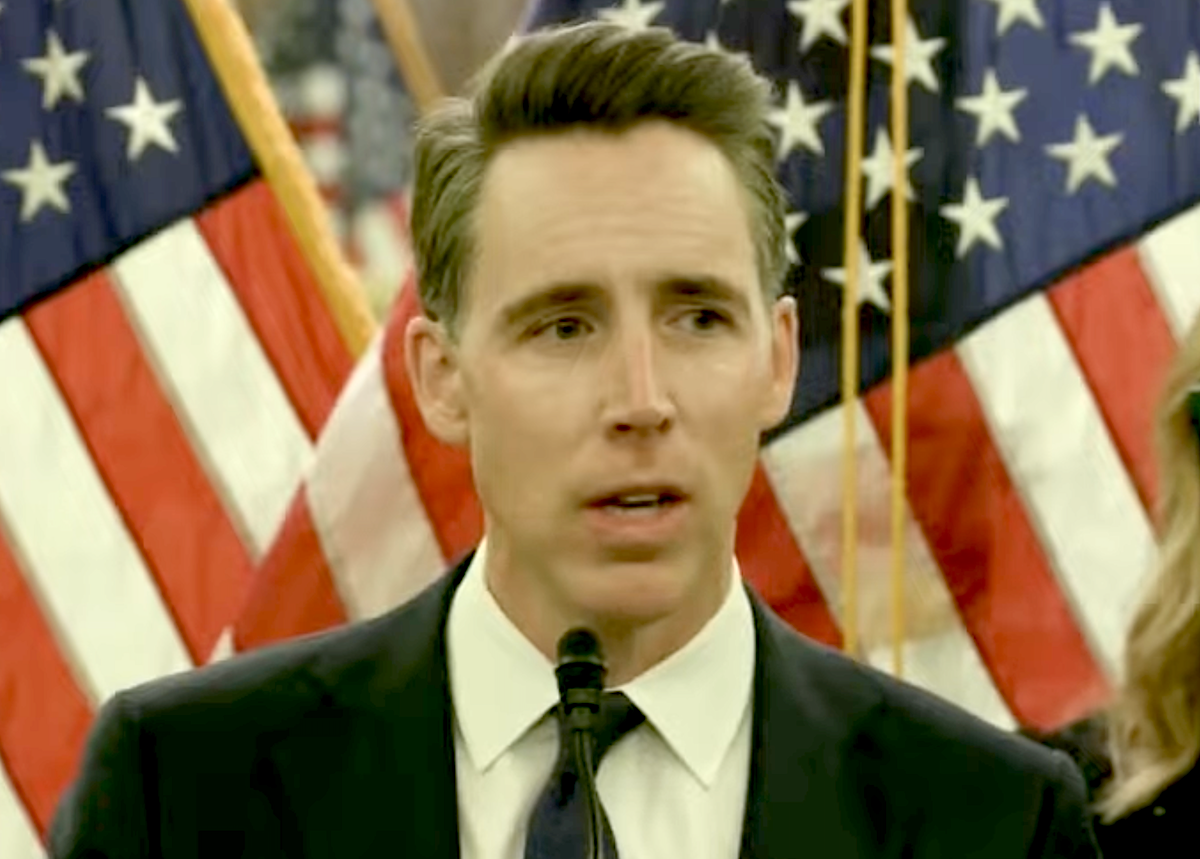
Hawley faces a clear choice: justify reopening broad welfare programs without strict safeguards, or explain how he will protect taxpayers and target help to those in true need. This piece argues from a conservative standpoint that any return to expansive benefits must be paired with rules that prevent waste, fraud, and long-term dependency. It presses for accountability, work expectations, and smart means-testing so assistance reaches only the most desperate.
First, taxpayers deserve plain answers about costs and outcomes before benefits are widened. Families and small businesses already shoulder heavy tax burdens, and expanding handouts without limits risks pushing those costs higher. Voters will want to know what metrics will measure success and how waste will be prevented.
Second, policy without work expectations creates a moral hazard and erodes personal responsibility. Conservatives favor support that stabilizes people on a path back to independence rather than creating permanent reliance. Clear, enforceable steps toward employment and training make aid an investment, not a way to lock people into government dependency.
Third, means-testing must be rigorous so funds reach households that truly lack alternatives. Broad eligibility opens the door to people who could rely on family, savings, or community support. Tight eligibility rules protect scarce public dollars for those who genuinely cannot support themselves.
Fourth, fraud and administrative leakage are predictable unless systems are reformed. Large benefit programs attract abuse from bad actors and waste through poor implementation. Earning public trust requires transparent audits, penalties for abuse, and simplified reporting so frontline administrators can enforce rules.
Fifth, any expansion should include sunset clauses and regular review periods to prevent permanent growth of entitlement programs. Temporary measures can be tuned and rescinded based on demonstrated need and fiscal realities. That approach keeps policymakers accountable and prevents unintended long-term obligations.
Sixth, pairing cash aid with targeted services reduces long-term costs and improves outcomes. Mental health care, addiction treatment, childcare, and job placement services address root causes of dependency. Directing resources to those services often produces better results than handing out unrestricted checks.
Seventh, local control matters; states and communities are closer to recipients and can tailor programs more effectively than federal behemoths. Conservative policy favors empowering local agencies with clear guardrails rather than expanding centralized administration. That model encourages innovation and quicker course corrections.
Eighth, protect the integrity of the work incentive by avoiding benefits cliff effects that punish earning more. Benefit cliffs trap people in poverty by making small raises cause large losses in aid. Designing gradual phase-outs and earned income disregards keeps work attractive and financially rewarding.
Ninth, keep immigration policy in mind when designing eligibility rules so benefits do not become a magnet for open-ended migration pressures. Public programs must be coordinated with reasonable border and visa controls to prevent added fiscal strain. Responsible policy recognizes that generous benefits and porous borders do not mix well.
Tenth, communicate plainly with voters about trade-offs and expectations instead of promising unlimited help. Honesty about costs, time limits, and the kinds of behavior that qualify for aid builds durable public support. That transparency separates serious reform from campaign rhetoric.
Finally, insist that any expansion explicitly bar funds from going to anyone who is not among the most desperate unless strict conditions are met. Saying that public help is for “those in need” is not enough; the law and administration must reflect that limit. Lawmakers should write rules that keep the welfare hose directed at hardship, not convenience, and keep ‘assistance’ focused where it counts.

