

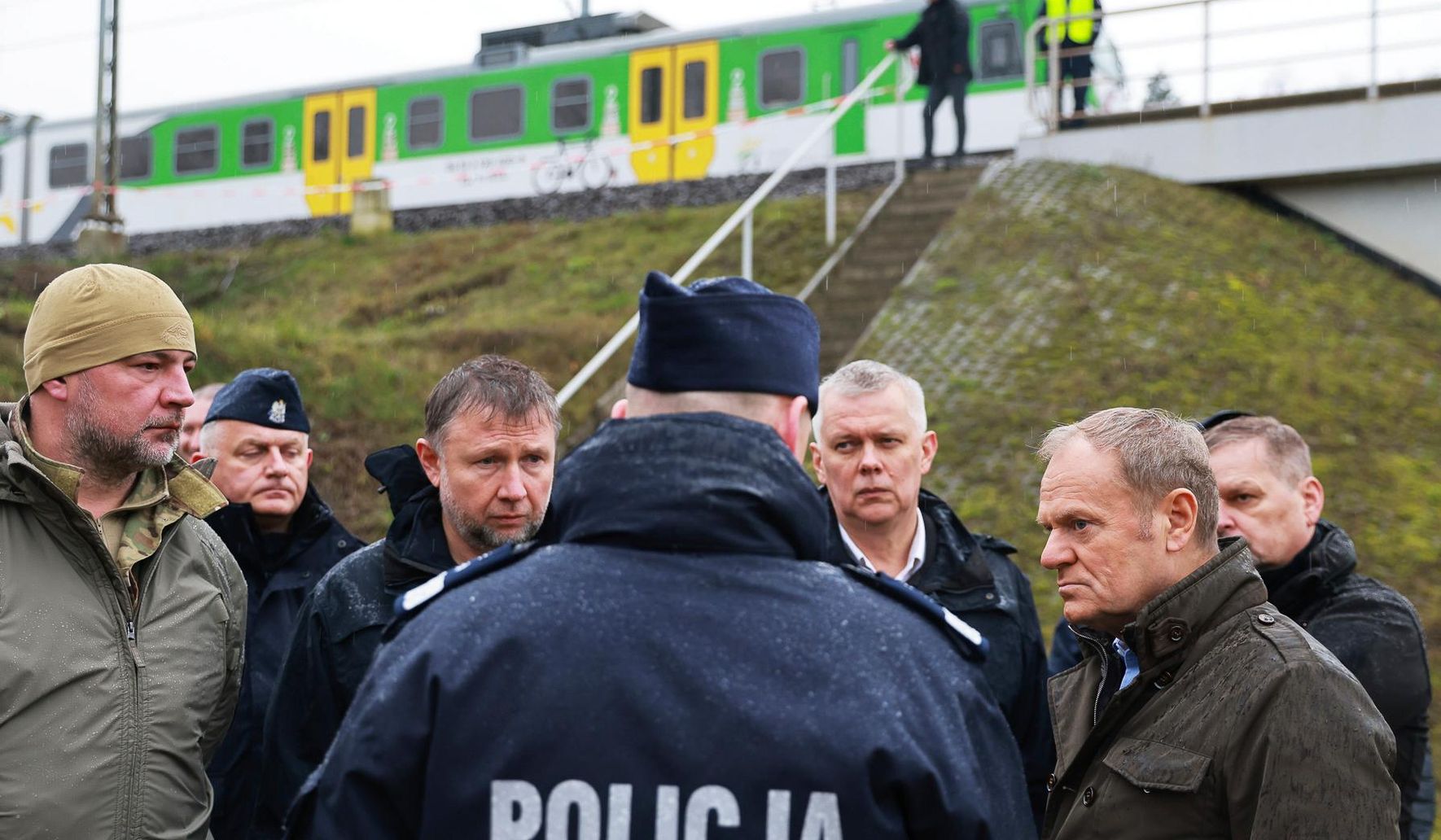
Poland arrested suspects after a weekend blast damaged a key rail link to Ukraine, a development that raises direct national security and logistical concerns for the region.
“Polish authorities have arrested several people in connection with a blast that damaged a rail line linking Warsaw to the Ukrainian border over the weekend, state media reported Wednesday.” The report landed fast and forced officials to put investigators and security services into high gear. That initial disclosure framed the event as more than an accident and pushed the story into national-security territory.
Polish authorities say the incident disrupted a vital rail corridor that carries civilians, goods, and military supplies toward the eastern frontier. Early statements emphasize the damage was significant enough to halt traffic and require immediate repair work. That pause in rail movement exposed how vulnerable key transport routes remain in a tense region.
Investigators reportedly detained multiple suspects as they worked to piece together who was responsible and how the blast was carried out. Officials described raids and evidence collection at several locations, all part of a rapid-law-enforcement push to prevent follow-up attacks. While details remain limited, the arrests underline the seriousness with which Warsaw views attacks on infrastructure.
The wider context is hard to ignore: supply lines and transit corridors to Ukraine are strategic, and any strike on them has ripple effects well beyond Poland’s borders. For conservatives, the episode reinforces the case for stronger deterrence and more muscular protection of critical infrastructure. It also spotlights the need to anticipate and counter hybrid threats that aim to weaken allies without triggering open war.
NATO partners and regional allies will be watching how Poland follows up, because intact logistics networks are essential to sustain assistance and readiness. A damaged rail link can slow deliveries, complicate troop movements, and raise costs for emergency repairs and reroutes. Those operational frictions matter in any prolonged security scenario where time and reliability of supply are decisive.
Polish leaders have signaled their intent to pursue the case aggressively, and state services are coordinating intelligence and policing resources. Cross-border cooperation with neighboring states will be important if investigators find external direction or support for the perpetrators. The police response aims both to bring suspects to justice and to reassure the public that incidents like this will not go unanswered.
Civilians felt the immediate consequences through travel delays and a sudden spike in repair and security activity around the damaged stretch of track. Businesses that rely on predictable rail service face short-term disruption and potential cost increases while the corridor is restored. For a country that sits at a geopolitical crossroads, those economic disturbances compound the strategic worries.
Security measures now include stepped-up patrols, enhanced monitoring, and tighter controls around other vulnerable nodes in the network. The episode will likely prompt policymakers to revisit preventive measures for critical infrastructure and consider sharper penalties and faster response capabilities. From a conservative view, the balance must tilt toward deterrence, readiness, and clear consequences for anyone who targets civilian lifelines.
As investigators continue to gather evidence and move through legal steps, the reactions on the ground will shape both short-term repairs and longer-term policy choices. The arrests mark a serious turn in the response, but the story remains active and fluid as authorities work to secure the rail line and identify any broader support network behind the blast. The coming days will reveal whether this was an isolated act or part of a more dangerous pattern that demands a firmer defensive posture.

