

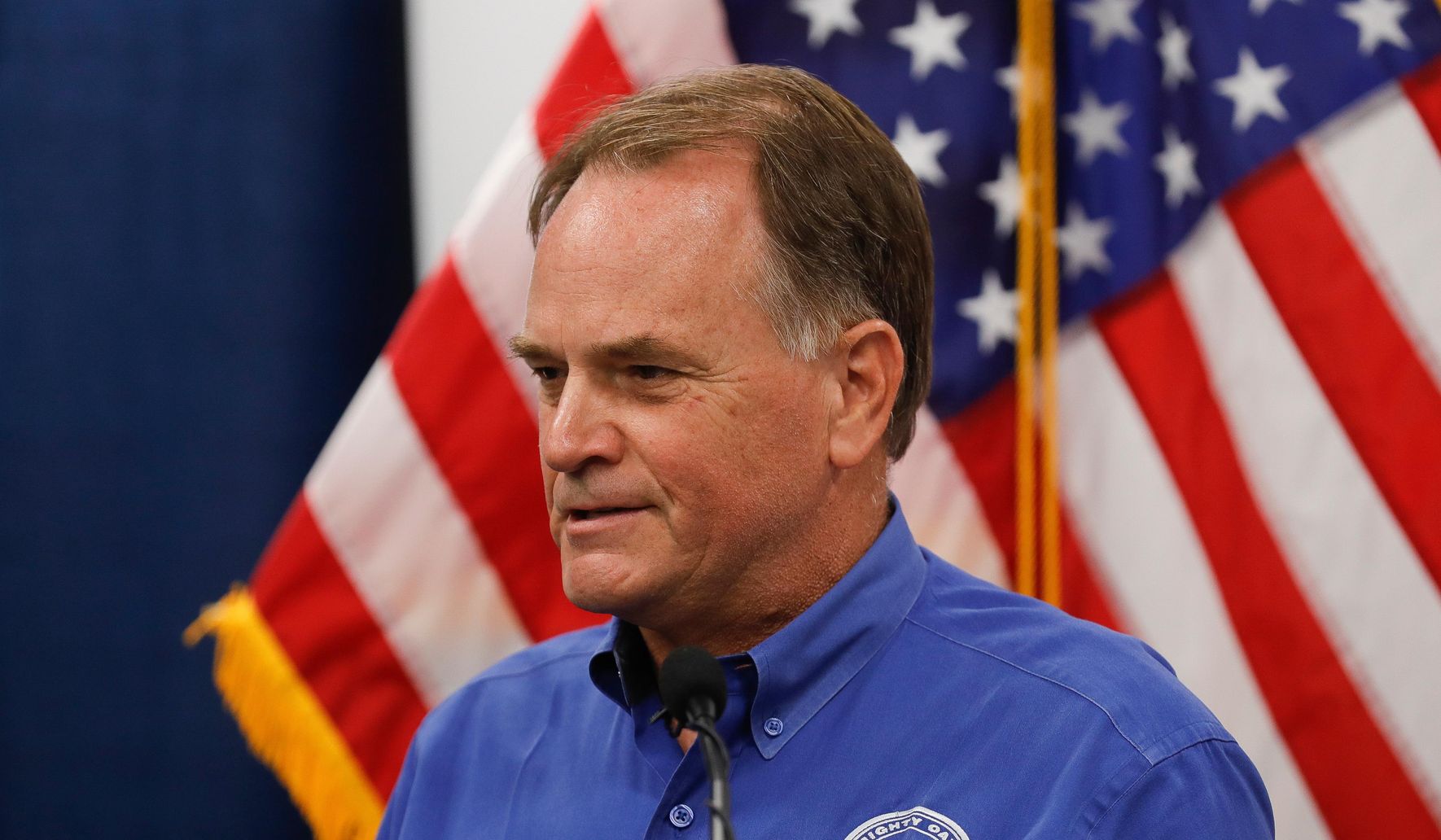
Steve Toth defeated U.S. Rep. Dan Crenshaw on Tuesday night, unseating the lone Texas House Republican who did not have President Trump’s endorsement.
Voters in the district handed a win to challenger Steve Toth, and that outcome changes the texture of the Texas GOP delegation. This was not a squeaker tossed up by chance; it reflected a clear choice in a primary fight where endorsements mattered. The loss of an incumbent who stood apart from the former president’s slate sends a message to candidates about where the base is now.
The result is straightforward: a primary electorate preferred a fighter who aligned with the conservative movement’s priorities over a representative perceived as more independent. In plain terms, many Republican voters decided they wanted someone who matched the broader direction of the party. That shift matters for how campaigns are run and how politicians position themselves in future races.
Candidates will read this result as a reminder that primary voters reward loyalty and clarity on issues. That does not mean there is no room for differing voices, but it does mean messaging has to be sharper and account for the preferences of the base. For incumbents, the lesson is simple: understand your voters or face a well-organized challenge.
Steve Toth’s victory will also recalibrate the internal dynamics among Texas Republicans in Washington. Members who once relied on a certain predictability in the delegation must now reckon with a new voice and new priorities. Committees, caucuses, and campaign dynamics are all affected when a seat flips in a primary like this one.
The political landscape in Texas has been competitive and restless for some time, and this race was another example of that restlessness. Local activists, donors, and grassroots organizers all played parts in shaping the outcome. When energized voters coalesce behind a challenger, even sitting members can be vulnerable.
For conservative activists, the win is gratifying because it reinforces the idea that the party can reward candidates who embrace a clearer ideological stance. That enthusiasm will translate into campaign benches, fundraising flows, and volunteer efforts in the near term. State and national committees will take note as they weigh resources and endorsements for upcoming contests.
For party strategists, the defeat raises tactical questions about where to invest and how to defend incumbents who may be at odds with the base. It also forces a discussion about the balance between appealing to primary voters and courting general election moderates. That balancing act will be a recurring theme as the cycle moves forward.
Crenshaw’s loss ends a chapter for a representative who had national recognition and a distinct approach, and it opens a new one under Toth’s leadership. The transition will be watched closely by both Republicans and opponents eager to understand the implications. One thing is clear: Texas Republicans just signaled a preference, and that preference will shape decisions in the months ahead.

