

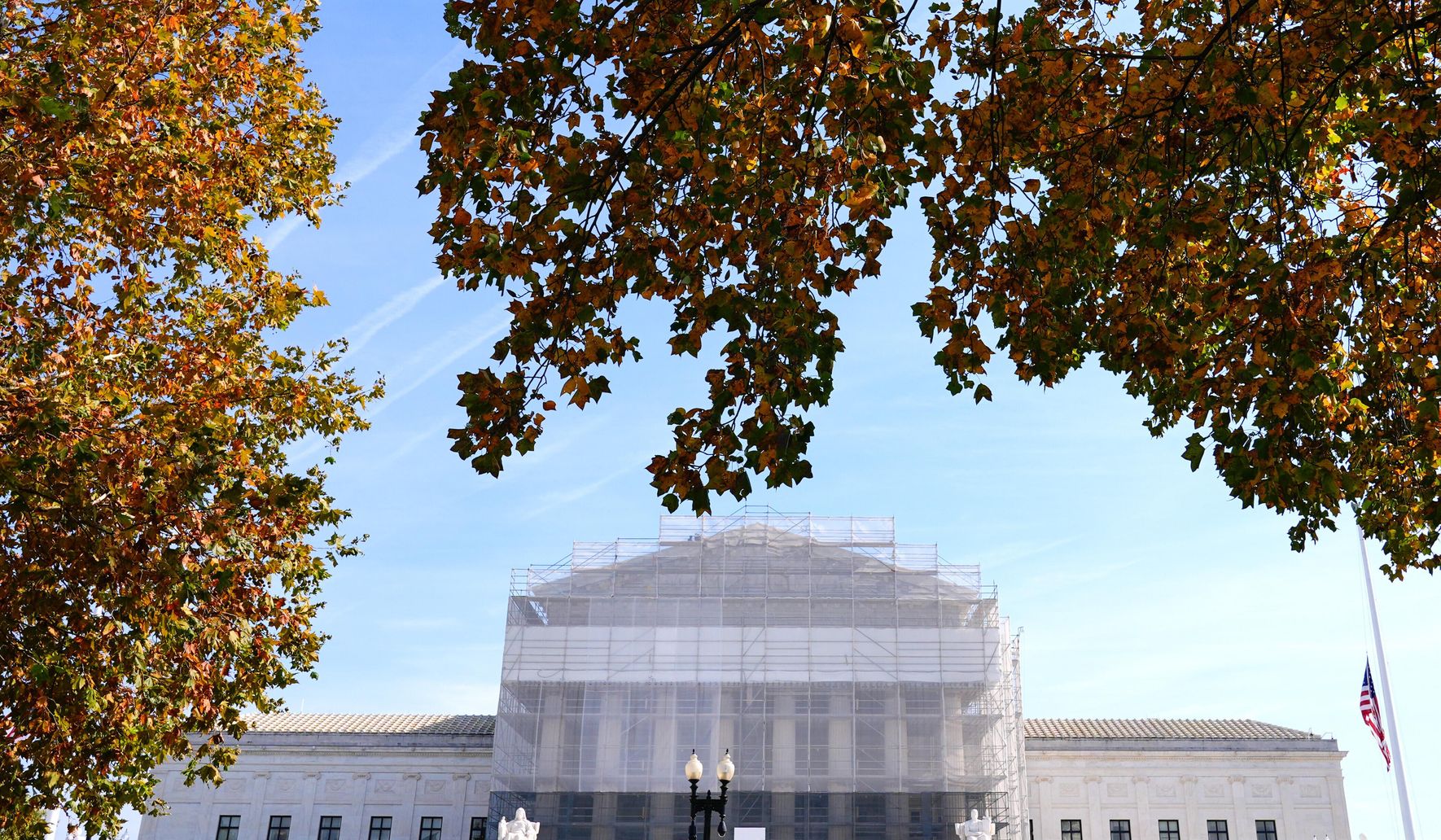
The Supreme Court has a defining couple of weeks ahead of it, and the eyes of the country are watching how justices will handle cases that test the limits of the Constitution, administrative power, and basic liberties.
The court’s calendar is stacked with decisions that could reshape how Americans experience government and law in everyday life. Conservative observers are particularly focused on whether the justices will curb agency overreach and restore clear, text-based limits on federal power. The coming rulings could either reinforce judicial restraint or signal continued tolerance for an expanding administrative state that sidelines voters and lawmakers.
One key thread to watch is separation of powers, which sits at the center of several major cases. Republicans have pressed for a judiciary that returns power to the people by reining in unelected bureaucrats who write and enforce rules with sweeping reach. If the court sides with a stronger executive or with Congress over agencies on statutory interpretation, it would mark a meaningful retreat from decades of deference that favored administrative fiat.
Relatedly, the doctrine of judicial restraint and adherence to text and original meaning will be tested across disputes that affect business, religious institutions, and speech. Conservative legal thought argues the Supreme Court should interpret laws based on their text and original public meaning rather than evolving policy preferences. A clear signal from the bench that the Justices will apply established interpretive methods would reassure many that the rule of law, not judicial policy-making, will guide outcomes.
Another major concern involves election law and how lower courts and state actors have handled electoral disputes. The court’s handling of these issues could influence public confidence in election processes and in the impartial application of the law. Republicans argue that consistent, principled rulings are essential to prevent local or state officials from creating ad hoc rules that affect voting and office eligibility without clear legal authority.
Religious liberty and free speech cases also feature prominently in the docket and will test the court’s commitment to protecting constitutional rights when they collide with government or private pressure. Conservative voices stress that the First Amendment must remain a robust shield for individuals and institutions who stand by their beliefs even when those views are unpopular. A set of opinions that restores strong protections for conscience and expression would be seen as a corrective to recent trends that permit broad restrictions in the name of other public interests.
Economic liberties and regulatory burdens are on the line, especially in disputes that could determine how much control federal agencies have over markets and industry. Business communities and taxpayers look for limits on costly mandates that lack clear congressional authorization. If the justices demand that Congress make policy choices clearly and explicitly, it would shift power back to elected lawmakers and away from career bureaucrats and opaque rulemaking processes.
The court’s tone and reasoning matter as much as its outcomes, because judicial opinions set precedents that last beyond any single term. Conservative stakeholders want opinions that build durable jurisprudence grounded in the Constitution rather than ad hoc fixes that courts reverse when a different majority emerges. Clarity, predictability, and respect for the separation of powers are the qualities called for by those who worry about the reach of federal agencies and the erosion of liberty through legal creep.
Finally, the public’s trust in the judiciary depends on both fairness and adherence to neutral principles, not politics dressed up as law. From a Republican perspective, that means interpreting statutes and the Constitution without importing policy preferences or deferring to unelected officials. These next weeks will reveal whether the court reasserts a principled, text-focused approach or continues down a path where administrative convenience outweighs constitutional limits.

