

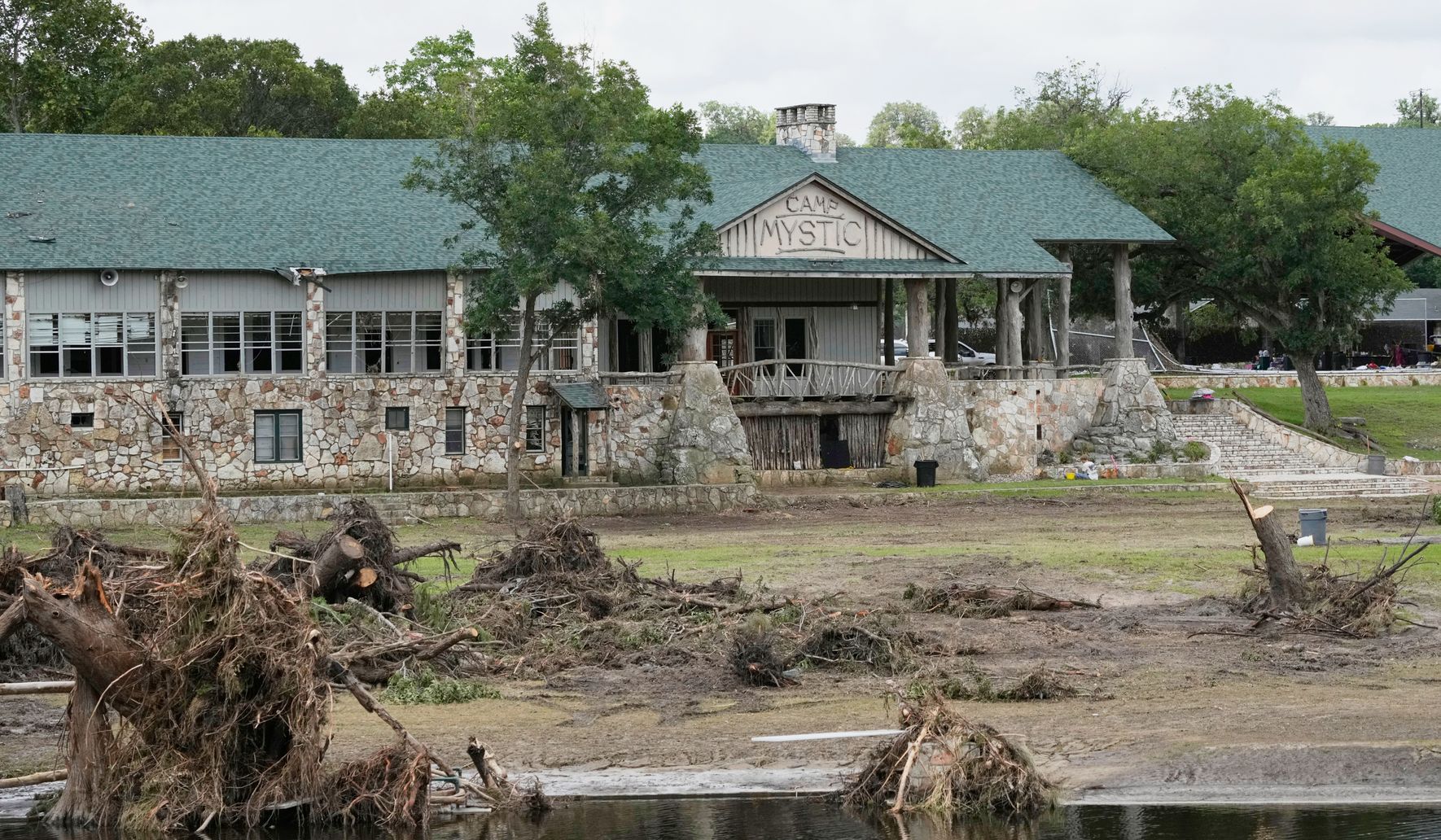
Texas health regulators told Camp Mystic’s owners Tuesday they are investigating hundreds of complaints following last year’s devastating floods that killed 27 girls as the state considers what steps to take.
State health officials have opened a formal review after a wave of complaints tied to last year’s floods at Camp Mystic. The inquiry follows the tragic deaths of 27 girls and aims to sort out what went wrong, who was responsible, and whether the camp met required safety standards. Regulators notified the camp’s leadership about the probe and are gathering records and witness statements.
Families and the wider community have pressed for answers since the flooding, and inspectors are now working through hundreds of reports that allege failures in planning, communication, and emergency response. Those complaints cover a range of issues from staffing and training to evacuation procedures and physical infrastructure. Officials will compare the camp’s practices against state rules and industry norms to decide if violations occurred.
Camp operators face scrutiny over whether they had adequate flood-warning systems and protocols for moving campers to higher ground. Investigators are looking at timelines to determine when warnings arrived, how decisions were made, and whether staff followed emergency plans. The goal is to identify gaps that allowed the situation to become fatal and to determine any accountability measures.
Regulatory action can vary from formal citations and fines to license suspension or revocation if inspections find serious violations. The state is considering its options while collecting evidence and hearing from affected families, campers, and employees. Any enforcement decisions will be based on established standards and the weight of the complaints under review.
Legal fallout is likely to follow the administrative process, with civil suits possible as families seek accountability and compensation. Lawsuits often bring additional documents and testimony to light, and they can run parallel to regulatory actions without replacing them. Attorneys for victims and families may use the regulator’s findings as part of civil claims against the camp and any affiliated organizations.
Beyond legal and regulatory steps, the tragedy has sparked a broader look at how summer programs prepare for extreme weather events. Experts stress the importance of updated emergency plans, routine drills, reliable communication systems, and clear chains of command. The state review is expected to inform recommendations for camps across the region on best practices for flood-prone areas.
Camp Mystic’s reputation and financial stability are already under pressure as enrollment and donor support are likely to be affected by the investigation and the lingering public concern. For many families, trust in overnight programs depends on demonstrated competence in safety and crisis management. How the camp responds to the regulator’s findings will play a major role in whether it can recover and continue operating.
Investigators will work to balance speed with thoroughness to ensure the facts are clear before final determinations are made. Officials have indicated they will keep some details confidential while the probe is active, but they also face calls for transparency from the public and affected families. In the coming weeks, expect updates as the state completes interviews, inspects records, and considers whether to pursue formal penalties or policy changes.

