

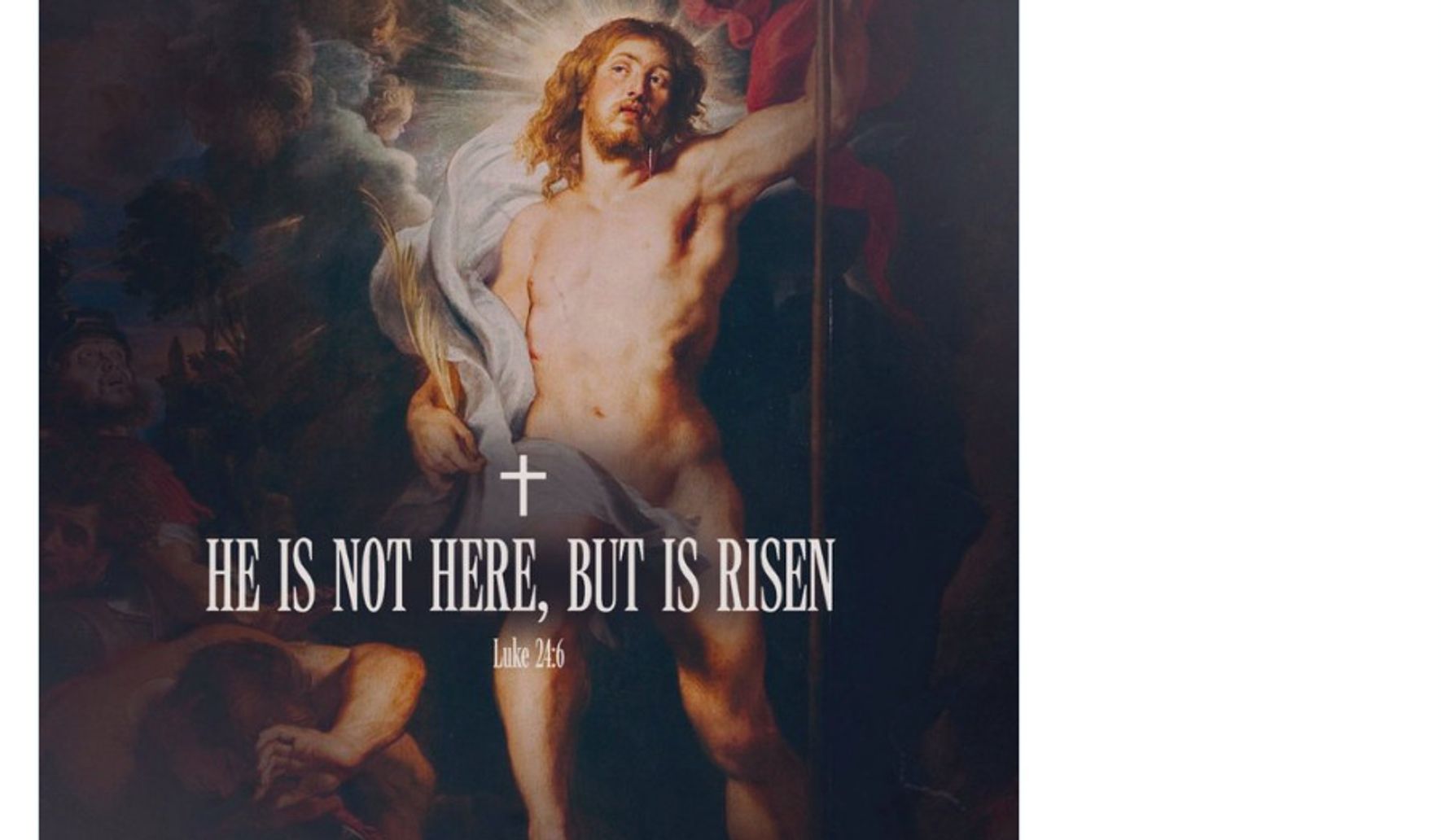
The Trump administration marked Easter by pushing faith into the federal spotlight, with multiple Cabinet agencies issuing faith-forward statements and messaging that went beyond the usual presidential Easter remarks.
Across administrations it’s common for the president to issue an Easter message, but this year the Trump team amplified that practice by coordinating statements from several departments. Those messages emphasized religious freedom, national resilience, and the role of faith in public life. The coordinated push reflected an administration eager to make faith a visible part of its public identity.
Many Cabinet agencies released content that linked faith to service and government responsibility, a clear break from the silence or strictly ceremonial language we’ve seen before. Messaging came from places that typically deal with policy and regulation, signaling a willingness to connect spiritual themes with day-to-day governance. Supporters saw this as a long-overdue acknowledgment that faith motivates millions of Americans who engage with their government.
The reach of these statements wasn’t limited to a single department; the approach turned Easter into a multi-agency moment. Press releases, social posts, and official statements carried similar themes about sacrifice, renewal, and community. That unified tone gave the holiday more prominence inside the federal apparatus than a simple presidential greeting would achieve.
On the political front, the move shored up support among voters who want their leaders to celebrate and defend public expressions of religion. For Republicans, seeing the administration openly aligning government messaging with faith signaled a cultural stance as well as a policy one. It amplified an existing argument that faith should be visible in public life and that government can acknowledge religious observances without compromising constitutional norms.
Critics warned that such coordinated faith messaging could blur the line between church and state or appear exclusionary to nonbelievers. Those concerns are predictable, but they didn’t silence the administration’s intent to affirm the role of religious conviction in civic life. The choice to spotlight Easter across multiple departments reflected a strategic decision about identity and values, not merely a seasonal public relations effort.
Practically, the administration framed these statements around themes like charity, service, and renewal—concepts that translate to policy priorities without requiring theological agreement. That framing allowed departments to highlight humanitarian work, veterans’ services, and community programs tied to faith-based groups. For many Americans, those tangible connections mattered more than abstract debates about establishment doctrine.
The broader cultural effect was immediate: religious groups and conservative leaders praised the visibility, while media outlets debated precedent and propriety. That back-and-forth is part of democratic life, but the administration clearly succeeded in making faith a headline issue rather than a footnote. For Republican audiences, the result was affirmation that government could publicly honor Christian traditions while promoting inclusivity through service.
Looking at the rollout, the coordinated statements showed a willingness to use federal platforms to celebrate foundational civic values tied to faith. That approach resonated with voters who feel their beliefs should be respected by national institutions. It also set a tone for future observances, suggesting the administration will continue to make religion a visible element of its public messaging.

