

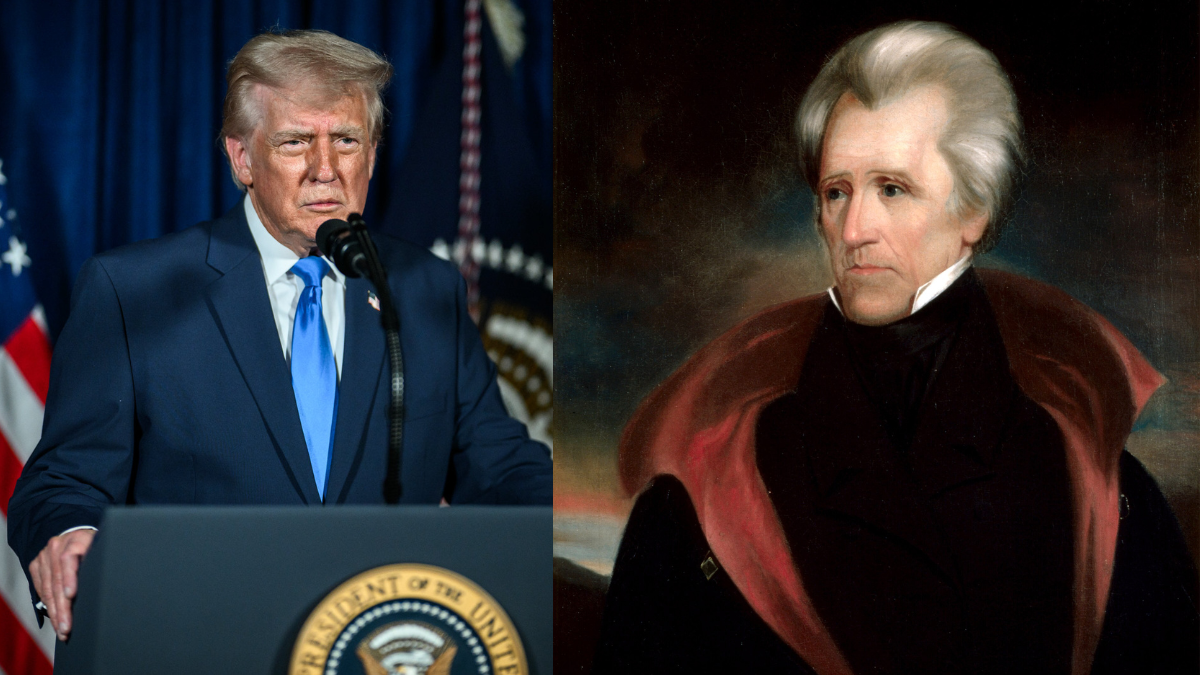
Trump faces a clear crossroads: he can push back forcefully to restore order and confidence, or he can let events slip into disorder with wide consequences for the country and his movement.
The coming weeks demand concrete choices, not wishful thinking. A president needs to act as a steady anchor when institutions wobble, and this moment calls for that kind of steady boldness. Supporters and skeptics alike will judge him on whether he protects stability or permits a slide into chaos.
Standing firm means setting priorities and sticking to them, not reacting to every headline. That starts with secure borders, a functioning justice system, and predictable economic policy that businesses can trust. When leaders make consistent decisions, markets settle, allies recalibrate, and the public feels less anxious about the future.
Allowing the situation to spiral invites a cascade of problems that do not stay isolated. Civil unrest, institutional paralysis, or mixed signals from the White House can erode confidence faster than any single policy misstep. Conservatives who back order and rule of law know the price of drift is steep and often irreversible.
On the border, firmness looks like clear rules and swift enforcement that reduce illegal crossings and cartel activity. It is not popularism but disciplined governance: use the tools available, close loopholes, and coordinate with states that are willing to help. Demonstrating control there sends a signal to voters that priorities are being handled rather than debated endlessly.
In matters of law and order, leadership requires backing the men and women who keep communities safe while insisting on accountability where it belongs. That balance reassures everyday Americans who want safety without chaos. When a president refuses to let public safety be undermined, he strengthens his credibility across a broad swath of the electorate.
On the economic front, standing firm means pursuing growth-friendly policies that reward work, investment, and innovation. Predictable taxes and sensible regulation are the backbone of prosperity; inconsistency shatters investor confidence and harms job creation. For Republicans, clear economic direction is an essential tool for maintaining credibility with families and business owners.
Foreign policy demands a similar mix of resolve and prudence: deter rivals, support allies, and avoid avoidable entanglements. Strength calibrated with clear objectives prevents adversaries from testing limits while protecting national interests. A bold but measured approach overseas reinforces the impression of competent leadership at home.
Communication is the engine that either calms or fuels disorder, and control of the message matters. Clear, concise explanations of decisions reduce rumor and panic, while chaotic signals make constructive action impossible. A disciplined public posture helps allies, voters, and federal partners act with confidence instead of second-guessing each move.
Political coalitions are fragile in times of turmoil, and strong leadership can keep them intact. That means asking for loyalty where it matters and delivering results voters can see and feel. When people perceive competence and consistency, they stick around; when they perceive drift, they look for alternatives.
Legal challenges and institutional fights are part of modern politics, and navigating them demands steady hands in both policy and legal strategy. Engaging competent lawyers and advisers while making sober political calculations reduces the likelihood of a free-for-all in the courts or on the streets. In a democracy, orderly contestation beats chaotic breakdown every time.
This is not a rhetorical exercise; it is a practical test of leadership under pressure. If he chooses firmness, the payoff will be restored trust in government, economic stability, and a reinvigorated conservative agenda. If he allows the opposite, the consequences will ripple across institutions, communities, and the broader political landscape.

