

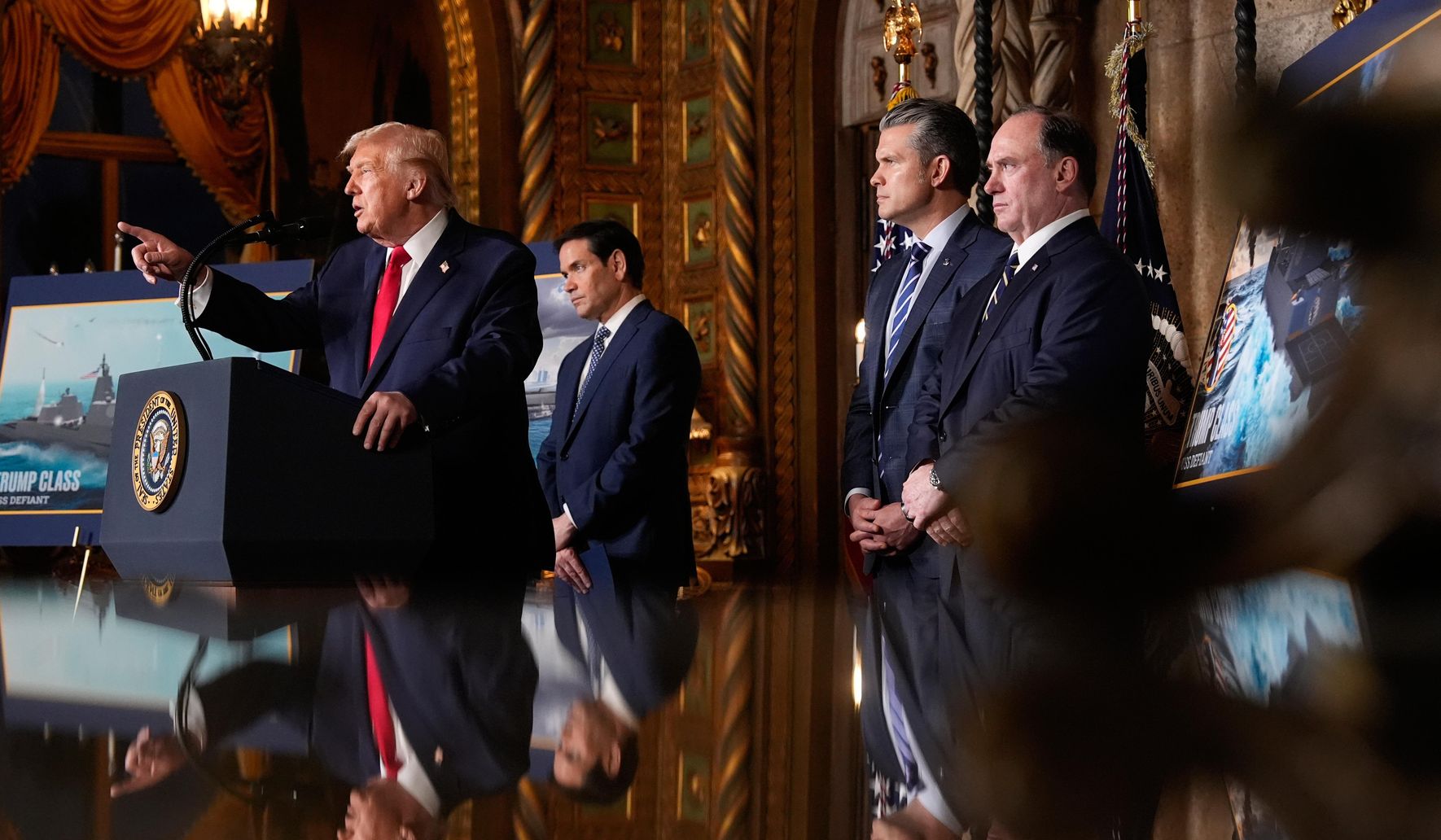
President Trump issued a fresh, direct warning to Venezuelan President Nicolas Maduro, signaling continued U.S. pressure and a firm stance in support of Venezuelan national sovereignty and democratic principles.
President Trump stepped back into the spotlight with a clear warning aimed at Nicolas Maduro, underscoring that Washington remains focused on Venezuela’s political crisis. The message made it plain that the United States will keep pressure on Maduro and his inner circle until democratic governance is restored. This was not diplomatic hedging. It was a straightforward alert from a president who favors direct action over vague statements.
From a Republican standpoint, the move reflects a consistent policy of backing freedom and opposing tyrants who crush basic liberties. The administration has relied on a mix of targeted sanctions and diplomatic isolation to squeeze the regime economically and politically. Those tools are meant to create incentives for Maduro to change course or step aside without risking wider conflict.
Trump’s warning also underlines the broader strategy the U.S. prefers: leverage allies, squeeze corrupt networks, and avoid open-ended military commitments. Republicans argue this approach protects American interests while standing for liberty. The emphasis is on a firm posture that encourages accountability from governments that abuse power and neglect their people.
Venezuela’s collapse is not just a regional humanitarian story. It is a geopolitical test of whether authoritarian rulers can act with impunity while trampling on human rights and wrecking their economies. The administration sees this as an affront to the ideals the United States champions, and so it has prioritized measures designed to isolate Maduro’s regime internationally. That isolation sends a message to other would-be autocrats that the costs of repression can be high.
Sanctions remain the primary instrument on the table, focused on Maduro’s inner circle and on institutions that finance the regime. The goal is to cut off the financial lifelines that keep corrupt leaders in power while minimizing harm to ordinary Venezuelans. Republican policymakers stress smart, targeted sanctions combined with humanitarian channels to ensure aid reaches suffering citizens rather than regime cronies.
At the same time, the administration has worked to rally regional partners and friendly governments to amplify pressure. Multilateral engagement strengthens the case for democratic restoration and reduces the risk of unilateral missteps. For Republicans, coalition-building is practical politics that raises the diplomatic and economic cost for authoritarian behavior without unnecessarily exposing American troops to danger.
Domestically, tough talk on Maduro plays well with the party base that favors strength and clarity in foreign policy. Supporting Venezuelan democracy aligns with conservative principles about freedom and limited government. It also reinforces an image of American leadership that acts decisively rather than wavering when authoritarian regimes threaten their people and destabilize neighboring countries.
There is a clear preference for methods that produce results without open conflict, and that preference guides ongoing policy choices. The signal to Maduro is that continued repression will lead to stronger consequences, not a return to business as usual. The approach aims to create political space for Venezuelan opposition leaders and civil society, while keeping diplomatic pressure at a steady, unavoidable clip.
The president’s statement serves as a reminder that U.S. foreign policy under this administration prizes clarity and firmness when values are on the line. Americans who support this direction see it as a morally consistent and strategically sound way to push for democratic change. For the moment, the White House will keep watching, sanctioning, and pressing until meaningful movement emerges in Caracas.

