

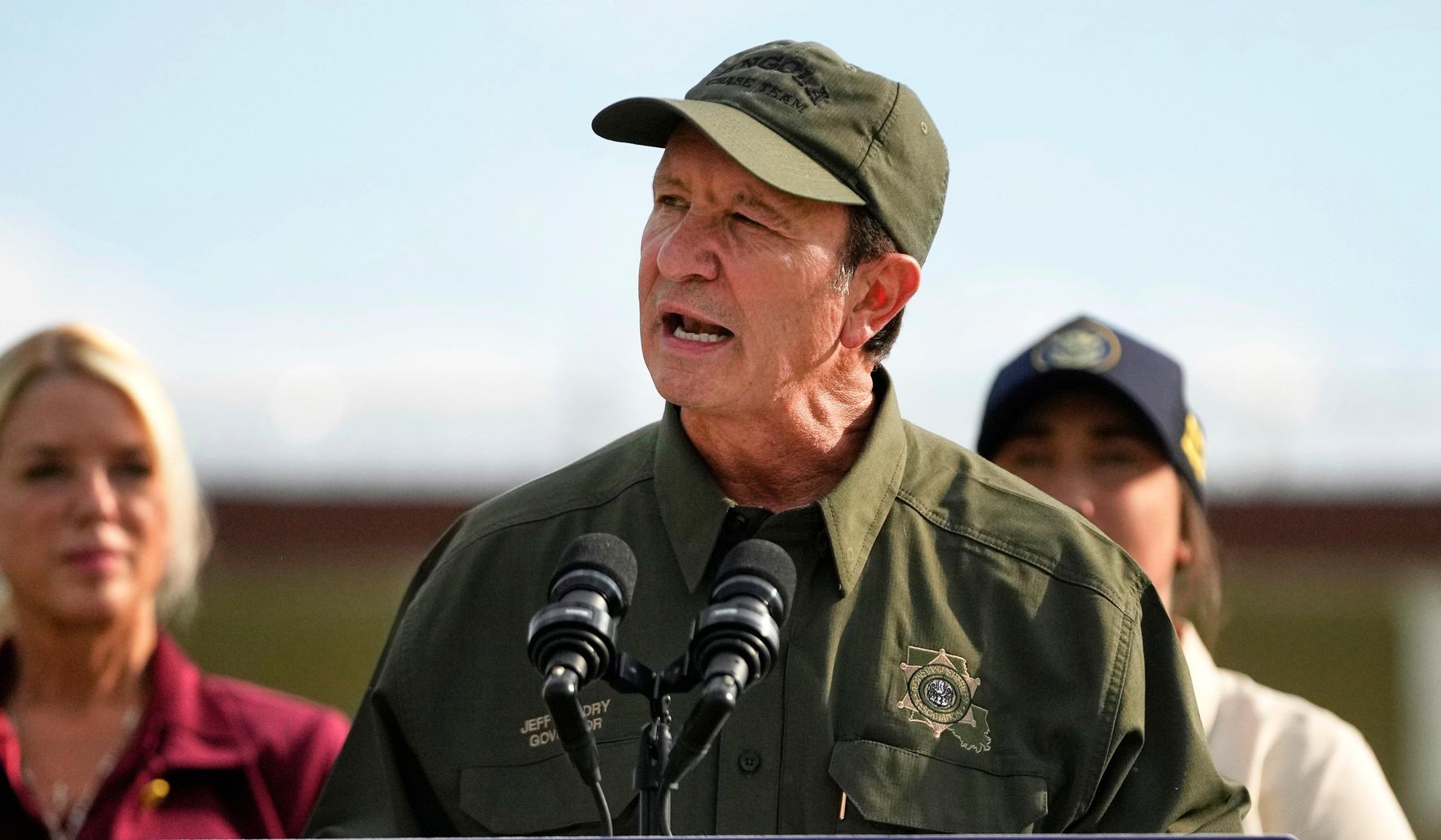
President Trump has named Louisiana Gov. Jeff Landry as his envoy to Greenland to speak with residents about the island’s future, even as U.S.-Denmark tensions linger.
President Trump tapped Louisiana Gov. Jeff Landry to serve as his representative to Greenland, a move aimed at direct conversations with island residents about governance and strategic choices. The appointment is framed as a people-first outreach rather than a formal diplomatic maneuver. It lands against a backdrop of strain between Washington and Copenhagen over past Trump actions and comments.
Landry arrives with a straightforward Republican message: national interest and local voices matter. The administration emphasizes security, economic opportunity and energy potential when it talks about Greenland. Officials say listening to residents is central to any policy decisions, not bypassing local concerns for unilateral moves.
Greenland sits at a geopolitical crossroads, with the Arctic opening new sea lanes and resource opportunities. American strategists view the island as an important vantage for defense and cooperation with NATO partners. The Landry visit signals that the White House intends to keep the United States engaged on Arctic issues in a hands-on way.
Denmark remains Greenland’s sovereign power and an essential diplomatic partner, so any U.S. approach must balance respect for that relationship with American priorities. Tensions that have flared in previous years complicate a clean field for outreach. The envoy role attempts to thread that needle by focusing on residents and pragmatic issues rather than provocative rhetoric.
Locals on Greenland have mixed views about outside involvement, and the administration knows that. Some residents welcome new investment and clearer security guarantees, while others fear outside pressure on autonomy and resources. Landry’s task is to collect those views and report back with options that align U.S. interests and local preferences.
Economic opportunity is a central talking point for Republicans who support a stronger U.S. presence in the Arctic. Potential mineral development, shipping routes and energy prospects are framed as chances to improve livelihoods and regional stability. The administration argues that responsible American engagement can help Greenlanders secure tangible benefits without sacrificing self-determination.
Defense officials stress that Greenland’s location is vital to early warning systems and northern flank security. The United States maintains a presence in the Arctic and sees cooperation with Greenland as a way to reinforce NATO deterrence. Landry’s mission is pitched as contributing practical input to keep American defense planning informed and grounded in local realities.
Critics will say any envoy role risks stepping on diplomatic toes, and those concerns are not being dismissed out of hand. The administration insists the focus is on listening and partnership rather than coercion. Maintaining open channels with Denmark while talking directly to residents is presented as a more honest and effective approach.
On the political stage, the appointment plays to domestic audiences who favor assertive U.S. moves abroad that protect American interests. Republicans defending the decision argue that proactive diplomacy, not isolation, secures influence in regions that matter. They also point to the need for clear, consistent policy in a part of the world undergoing rapid change.
Practical matters will dominate the envoy’s conversations: infrastructure, environmental concerns, economic deals that respect local rights, and security arrangements that enhance protection without undermining autonomy. Those are the kinds of concrete topics Republicans say should guide any U.S.-Greenland engagement. The administration plans to present options that prioritize sovereignty, prosperity and security together.
Expect the Landry visit to be framed as boots-on-the-ground fact-finding, with public statements underscoring respect for Greenlandic institutions. The White House appears intent on using the envoy role to gather perspectives that can inform policy without forcing a predetermined agenda. If the mission succeeds, it will be because it kept residents at the center of every conversation.
The coming weeks will show whether a people-focused envoy can ease diplomatic friction and chart workable paths forward. Republicans argue that direct engagement, clear security commitments, and economic opportunity form a sensible, responsible mix. The outcome will hinge on practical results and whether Greenlanders see tangible benefits from deeper U.S. involvement.

