

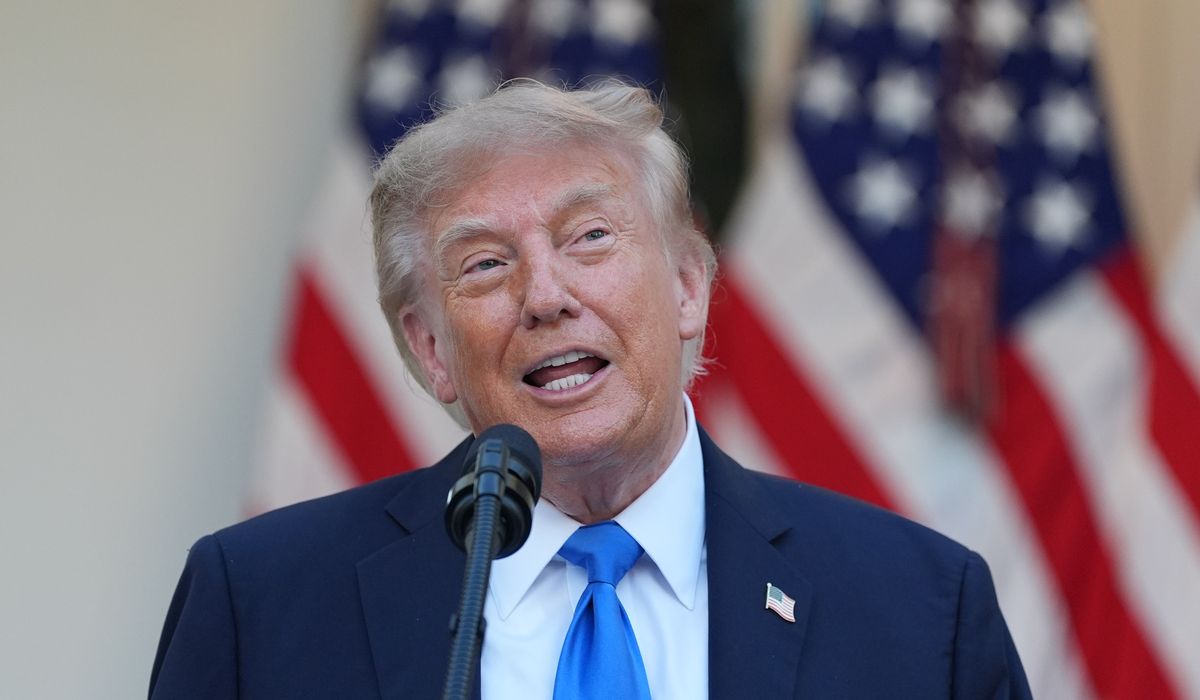
President Trump said Wednesday he will personally campaign across roughly 35 competitive House and Senate races in the final 30 days before the 2026 midterm elections, promising to bring the same relentless energy that has marked his political efforts.
President Trump’s pledge to hit about 35 key contests in the last 30 days of the 2026 midterm cycle is a straightforward, high-stakes strategy. Personal involvement from the top of the ticket compresses the campaign timeline and raises the intensity of each contest. That level of hands-on attention sends a clear message to voters and volunteers: these races matter.
For Republican candidates, a presidential push this late in the game can change dynamics in tight districts and states. The last month is when undecided voters make up their minds, and visits from a high-profile leader can tip the balance. Grassroots teams and local operatives get a boost when a figure with national reach shows up and validates their efforts.
President Trump’s strategy also pressures Democratic opponents and their backers to respond, often forcing them into costly overtime. That shift can strain resources and narrow their ability to compete in other contests. From a conservative point of view, concentrating resources and attention where they matter most is smart politics.
There is also a psychological advantage to personal campaigning: it energizes the base and strengthens donor confidence. Seeing a candidate on the stump conveys commitment and urgency in a way press releases never do. For donors and volunteers, that visible effort often translates into last-minute contributions, sign-ups, and turnout drives.
Media coverage multiplies the effect of a presidential tour, amplifying messages and framing the narrative for the closing weeks. Every rally becomes a focal point for conservative messaging and for contrasting policy priorities with opponents. That kind of visibility matters when margins are tight and turnout is the deciding factor.
Logistically, moving through 35 competitive contests in 30 days is a heavy lift but not unusual in modern campaigning. It demands tight scheduling, a reliable team, and clear priorities about where presence will make the most difference. When executed well, that concentrated push can be the difference between winning and losing multiple seats.
There are limits to what personal campaigning can accomplish, and local organization remains crucial. Town halls, door-knocking operations, and the quality of individual candidates still set the baseline for success. A presidential visit can swing momentum, but it relies on strong local follow-through to convert that momentum into votes.
From the conservative perspective, the promise of a presidential tour reflects leadership and accountability. It shows a willingness to invest political capital and to stand alongside candidates who share the party’s principles. That kind of visible support matters to voters who want to see conviction, not just statements.
In tight midterm cycles like 2026, the final 30 days are often decisive, and strategy choices made now will define outcomes. A focused, energetic campaign presence aims to maximize Republican opportunities in the House and Senate. Whether that pledge translates into the needed wins will depend on turnout, local organization, and whether the message cuts through in those critical districts.

