

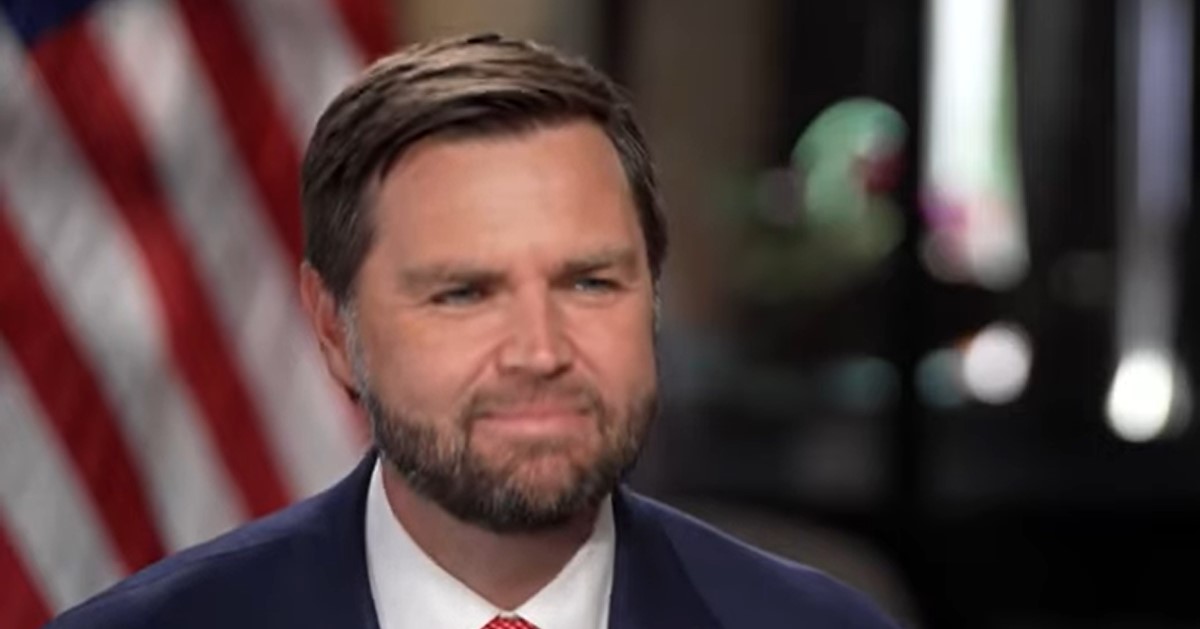
President Trump announced that Nicolás Maduro is in U.S. custody and said the United States will manage Venezuela until a safe, orderly transition is in place, while Vice President JD Vance played a major behind-the-scenes role but stayed out of public view for security reasons.
The announcement landed like a political earthquake and the Trump team moved fast to frame it as an act of justice and stability. Officials described a careful, coordinated operation with top advisers and military leaders closely involved. The narrative from the Republican side stresses decisive action and enforcing the rule of law across borders.
Vice President JD Vance was deeply involved from the start, taking part in planning sessions at Mar-a-Lago and monitoring operations remotely. Sources said he avoided traveling into the field because a late-night motorcade could have risked exposing the mission. That choice was presented not as absence but as a security-savvy move to protect the operation and personnel.
Vance’s team emphasized that secure video links kept him fully briefed, and that he followed developments vigilantly from a distance. The administration framed that discretion as the sensible posture for leaders during sensitive missions. It’s a reminder that visible drama is not the same thing as effective leadership.
When the capture was complete, President Trump stood before the nation flanked by senior officials, projecting control and clarity. He was joined by Secretary of State Marco Rubio, War Secretary Pete Hegseth, and Gen. Dan Caine, among others, to underline the unified command behind the move. That public unity is being used to reassure allies and to warn adversaries that the U.S. can execute high-stakes operations.
“They always say boots on the ground, so we’re not afraid of boots on the ground if we have to,” Trump stated, signaling a firm resolve that’s sure to raise eyebrows among those wary of prolonged military entanglements (Trump). The line is meant to deter further aggression and to show that American resolve includes readiness to act. For Republicans, it reinforces a worldview where strength and clarity of purpose deliver results.
Vance also went on X to back the operation and to take a jab at critics who questioned the legality or necessity of the move. “Maduro is the newest person to find out that President Trump means what he says,” Vance posted, doubling down on the legality of the move by highlighting Maduro’s U.S. indictments for narco-terrorism (Vance, on X). That message ties the capture to established criminal charges and frames it as enforcement, not imperialism.
The administration says this is about restoring order and holding a criminal actor accountable, not about endless occupation. Trump made clear the U.S. will “run” Venezuela until there is a safe, orderly transfer of power, while stopping short of promising a calendar for withdrawal. The Republican argument is that temporary stewardship beats leaving a power vacuum that would feed chaos and criminal networks.
On the ground in Caracas, the interim arrangement and leadership questions are already moving. Vice President Delcy Rodriguez, described here as sworn in as Maduro’s successor, reportedly engaged with U.S. officials and indicated a willingness to cooperate. Those early contacts matter because they help stabilize administration and create pathways for legitimate transitions without inviting outside meddling.
At the same time, Trump declined to spell out which opposition figures might get U.S. backing, leaving names like Maria Corina Machado and Edmundo González Urrutia unconfirmed. That silence seems tactical, keeping options open and preventing predictable political fights inside Venezuela from dictating U.S. moves. Republicans judge this flexibility as an advantage when dealing with fast-changing situations.
Vance’s previous skepticism about overseas interventions, visible in private messages and debate notes, adds a wrinkle to how he’ll shape policy now that he’s actively in the operations loop. He’s been careful to balance caution about open-ended missions with support for decisive, lawful actions that protect American interests. That posture fits the current approach: limited control, strict purpose, and a promise to hand power back when stability returns.

