

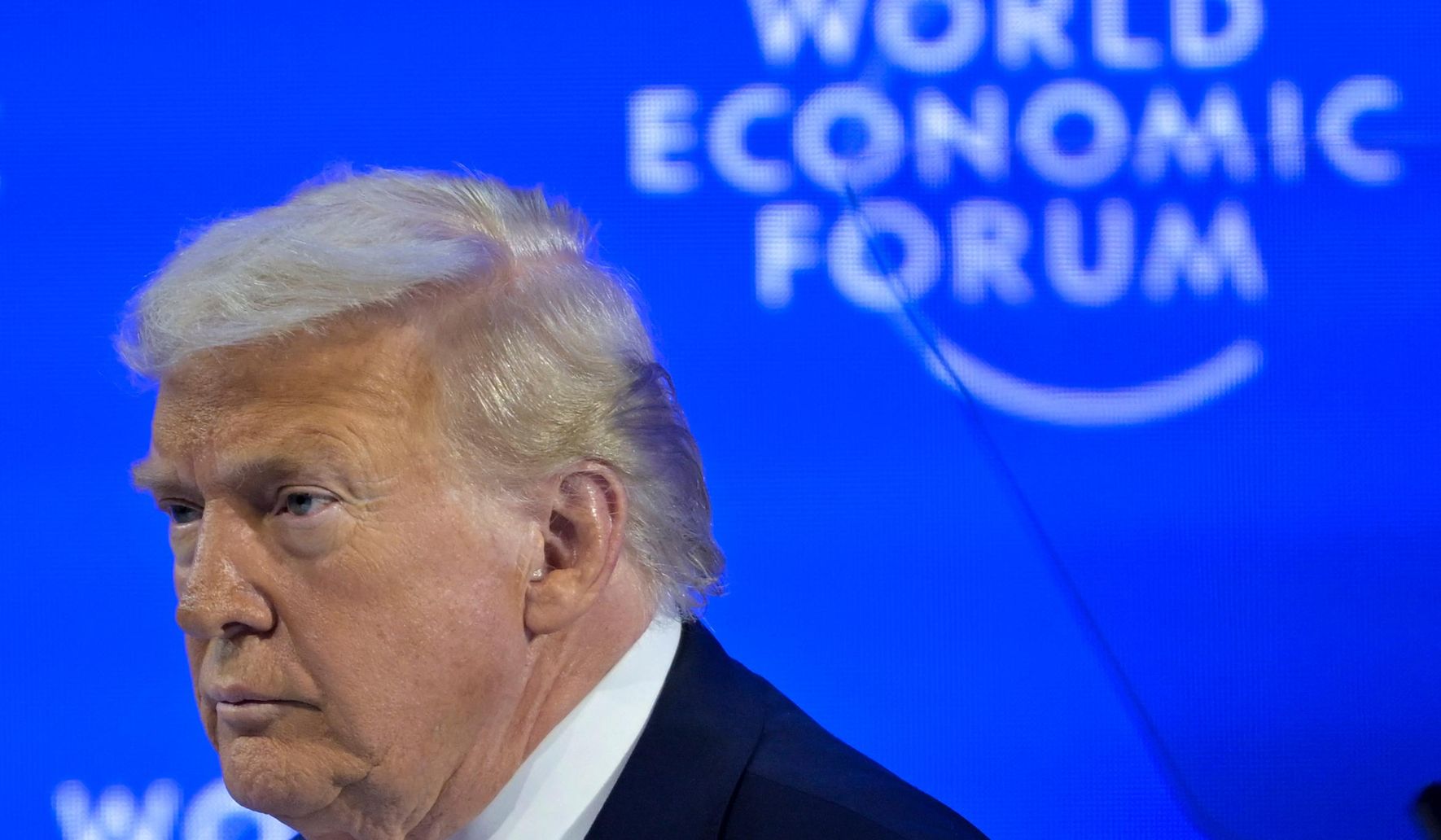
President Trump on Wednesday said he will not use “force” to annex Greenland but gave European partners an ultimatum that puts NATO and sovereignty at the center of a sharp, high-stakes diplomatic moment.
When the president made his remark on Wednesday he was clear about one thing: the United States will not resort to “force” to take control of Greenland. At the same time he handed Europe a blunt choice, signaling that allies need to make tougher decisions about their strategic priorities. That mix of restraint and pressure is meant to shift the conversation from rhetoric to results.
Greenland sits at the heart of Arctic strategy, and any public discussion about its future prompts questions about basing, logistics, and influence. For Republicans, this is an opportunity to push allies toward practical commitments instead of vague assurances. The argument is simple: if partners want the status quo protected, they must show up and contribute.
Calling out NATO in this context is intentional. The president suggested that European nations who rely on the alliance should be prepared to act differently if they want to keep control over sensitive territories. This plays to a long-running GOP critique that allies sometimes expect American protection without matching investment. Turning diplomatic pressure into leverage can be effective when negotiations are otherwise stuck.
That said, sovereignty matters. Greenland is part of the Kingdom of Denmark, and any change in control would have to respect legal and political realities. A Republican approach can be firm without being reckless: use bargaining power to secure U.S. interests while acknowledging international law. Strong diplomacy and clear offers are preferable to open conflict.
Critics will see the ultimatum as bluster, and some European capitals will bristle at the tone. But tough language often forces decisions that polite requests do not. If Washington wants clearer defense arrangements or access for facilities, making that a public priority sharpens incentives for allies to act rather than defer.
From a strategic perspective, options beyond force include purchases, long-term basing agreements, enhanced joint patrols, and cooperative infrastructure projects. Republicans typically favor concrete deals that deliver capabilities and burden-sharing. Negotiated outcomes that secure U.S. positioning while giving partner countries a stake in development are realistic and sustainable.
Domestically, the messaging appeals to voters who want strong national security and fair treatment on the world stage. Emphasizing that “force” is off the table while insisting on leverage reassures those who demand toughness without war. It also reframes the debate about who pays for collective defense and how the United States chooses partners and priorities.
Diplomacy now matters more than ever because public pressure can translate into actual policy change. If allies prefer to maintain current control, they will need to offer something tangible in return. If they refuse, the administration has signaled it will keep pushing until clearer commitments or agreements appear.

