

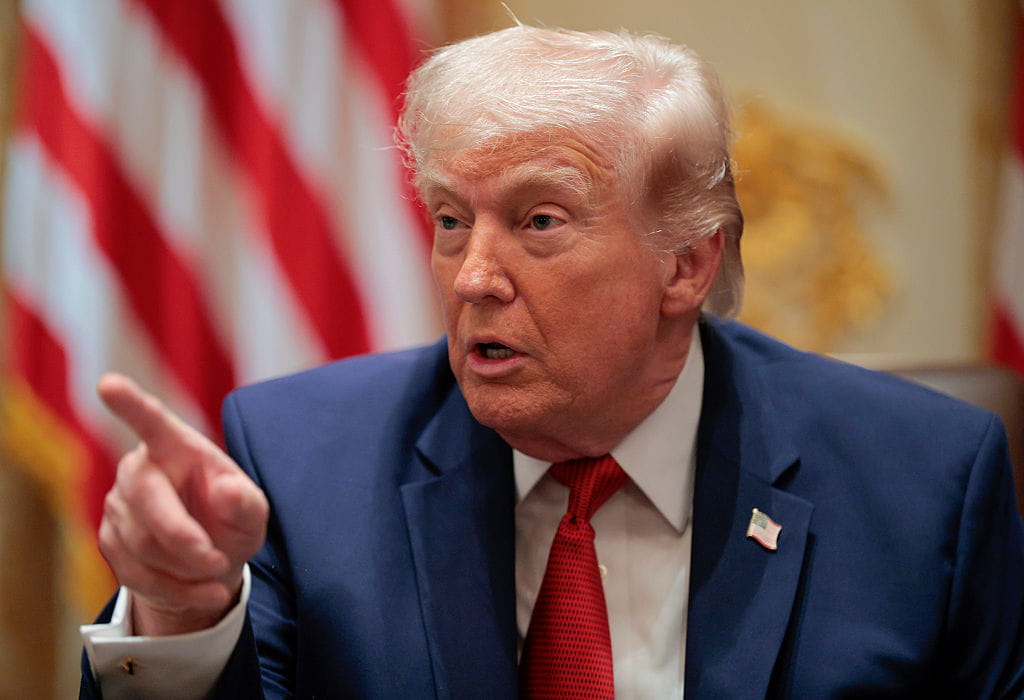
Washington gave Tehran a 48-hour ultimatum starting Sunday (April 5), and the Strait of Hormuz sits at the center of the standoff.
President Donald Trump set a clear deadline with a 48-hour ultimatum issued on Sunday (April 5), and that timeline has driven a surge of diplomatic posturing. Allies and third parties have been involved in back-channel talks, but those efforts have not resolved the strategic tension. The standoff has a sharp focus: control and freedom of navigation through the Strait of Hormuz.
The Strait of Hormuz is not a distant abstract; it is a vital artery for global energy and commerce that affects markets and security in real time. Iran’s recent behavior threatens shipping and raises the risk of supply disruptions. From a Republican standpoint, the United States has a duty to ensure safe passage and to deter coercion at sea.
Trump signaled seriousness by narrowing the window and applying pressure that sidelined rhetorical hedging from some foreign capitals. That pressure was meant to force Tehran to choose between backing down or facing concrete consequences. The administration’s move reflects a preference for clear, decisive action over indefinite negotiations.
Third-party negotiations have their place, but they can also dilute leverage when adversaries exploit ambiguity. Iran has historically used pauses in pressure to regroup and expand influence in the region. A deadline like the one given on Sunday (April 5) compresses Iran’s political options and tests whether its leadership will accept limits without costly escalation.
Some analysts fret about unintended escalation, and that caution is understandable. Still, deterrence requires credible threats and visible resolve; sitting on vague warnings invites more risky behavior. From this perspective, the 48-hour ultimatum is a calculated effort to restore predictable norms in a vital maritime corridor.
The U.S. must coordinate with regional partners who depend on the free flow of commerce and energy, and those partners are watching for action, not more statements. Allies in the Gulf have signaled concerns about Iranian probes and interference near shipping lanes. A Republican view emphasizes that America should lead with strength and let partners follow a credible deterrent posture.
Iran’s playbook often relies on ambiguous attribution and deniable provocations that create friction without triggering full-scale war. That leaves western capitals and shipping firms guessing and hedging, which increases costs and risks. The administration’s approach aims to remove that gray area and make responsibility and consequence clearer.
Economic consequences and targeted pressure remain important levers alongside naval operations and sanctions. The goal is to impose costs that change Tehran’s calculations without dragging the region into open conflict. Prudent, calibrated measures can protect U.S. interests while keeping escalation options available.
Domestically, the debate splits between those who favor immediate force and those who prefer extended diplomacy, but both sides want to prevent Iran from controlling chokepoints. Republicans tend to argue that credible, timely actions deter worse outcomes. The 48-hour ultimatum was designed to show that deterrence can be swift and decisive.
Moving forward, policymakers will watch Tehran’s response closely and prepare contingencies to secure the Strait of Hormuz and allied shipping. If Iran backs down, that will validate a strategy of clear timelines and pressure. If Tehran escalates, Washington and partners must be ready to enforce maritime norms and protect global trade.

