

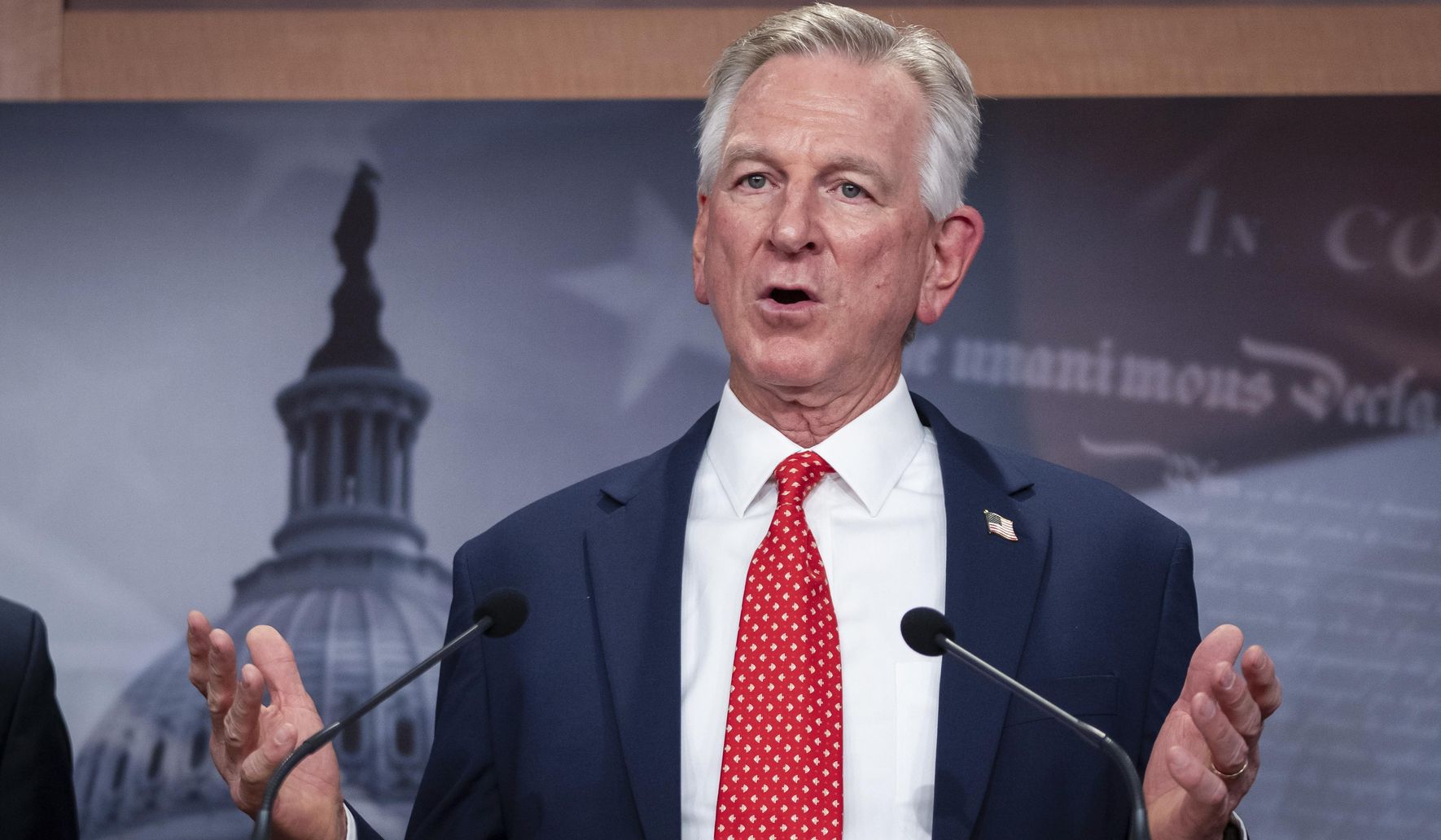
Sen. Tommy Tuberville publicly demanded the government ban and deport Islamic immigrants after two National Guard members were shot in Washington, D.C., in an attack authorities say was carried out by an Afghan national.
The shooting left people on edge and reignited debates over how the federal government screens entrants and resettles evacuees. Lawmakers from the right have pointed to gaps in vetting, oversight, and coordination between agencies as the source of the problem. That sense of urgency is driving calls for swift policy change aimed at prioritizing national security.
Sen. Tommy Tuberville called for the government to ban and deport Islamic immigrants following the shooting of two National Guards members in Washington, D.C., allegedly by an Afghan national. His statement landed hard and fast, reflecting a view that current controls are too lax when public safety is at stake. Supporters say blunt action sends a message that protecting Americans comes first.
Republican leaders argue this incident shows how porous resettlement and parole processes can be when rushed under political pressure. They note the large-scale evacuations from Afghanistan created an enormous administrative burden and put systems under strain. From that perspective, fixes range from temporary pauses on certain admissions to beefed-up vetting priorities focused on threats, not paperwork.
Critics of the administration’s approach say it’s not enough to tinker at the edges; they want structural changes. That includes clearer responsibility among federal agencies, faster sharing of intelligence, and tougher screening standards that can be applied quickly. For many on the right, those are basic commonsense steps to keep servicemembers and residents safe.
There are legal and logistical hurdles to sweeping moves like blanket bans or mass deportations, and opponents will point to constitutional and international obligations. Still, Republicans pressing for change emphasize practical measures that respect law while tightening admissions. They argue we can protect civil liberties and still enforce sensible rules that prevent dangerous actors from slipping through.
Federal law enforcement and military units in the district responded rapidly to the shooting, and officials are working through the investigatory steps. The presence of National Guard personnel in the capital underscores the stakes when attacks touch public spaces and uniformed service members. That visibility makes the need for effective immigration and vetting policies politically and emotionally charged.
On the policy front, Republicans are advancing proposals that focus on ideology-based risk indicators, better background checks, and oversight of resettlement partners. The goal is to create a system that is faster, smarter, and more capable of flagging threats without resorting to discriminatory blanket exclusions. Those pushing these reforms say targeted rules are both constitutional and necessary.
Accountability is another theme running through the response. Lawmakers want clear answers from agencies that managed the evacuation and resettlement effort and expect corrective steps if procedures failed. Voters who back tougher measures want transparent reporting and measurable benchmarks to restore confidence in the process.
Beyond policy tweaks, the debate is also about tone and priorities. Republicans are framing the discussion as one about putting Americans’ safety ahead of political optics. They argue leaders must be candid about risks and move with speed to mitigate them without abandoning rule of law principles.
Whatever the legal contours of any proposed changes, this episode has hardened resolve among conservatives to press for stronger border controls and screening. The political pressure will likely translate into legislative and oversight fights as Republicans push their agenda. Expect more hearings, audits, and proposals aimed at ensuring public safety while navigating a complex legal landscape.

