

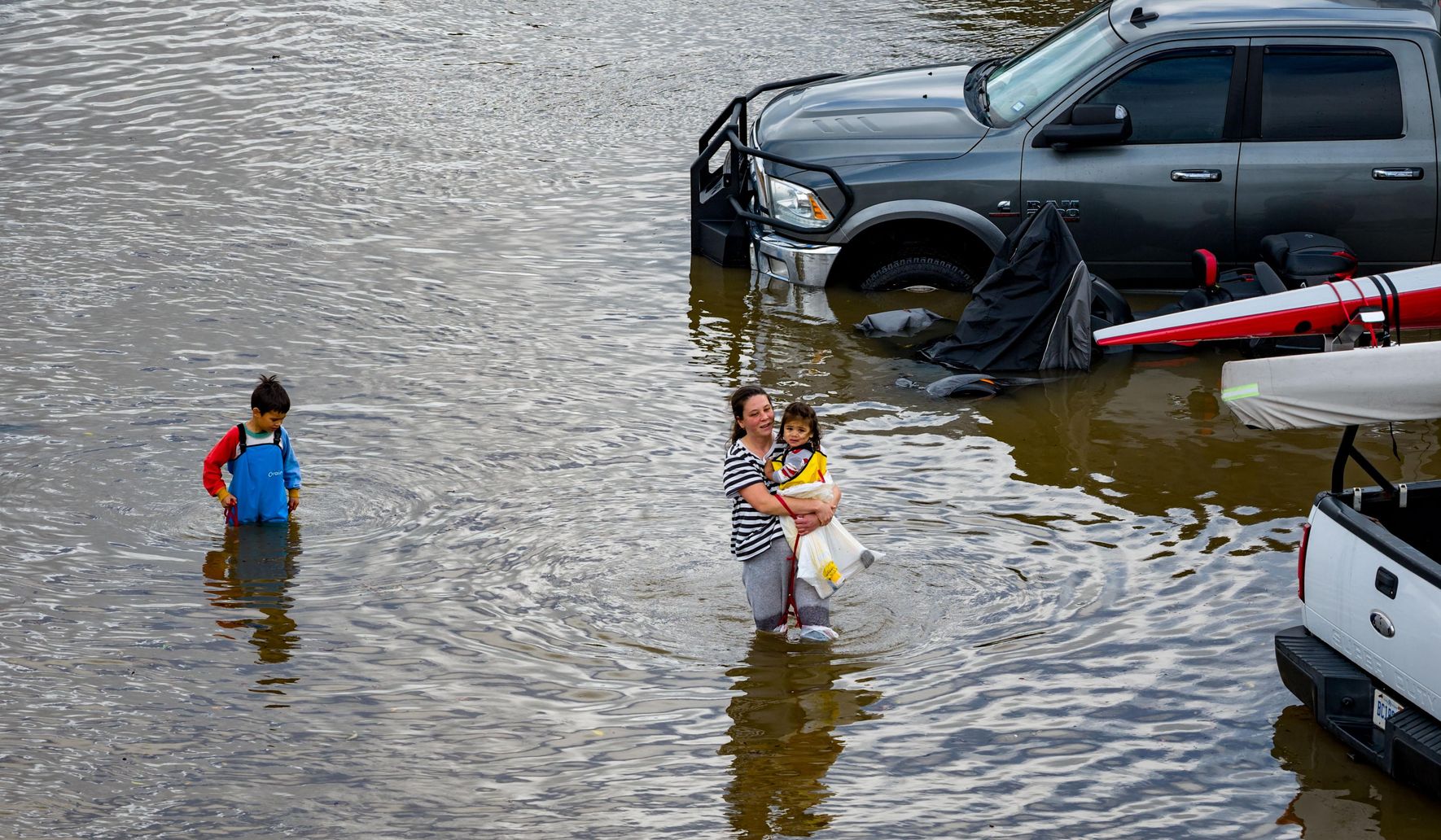
Heavy rain and high tides believed to be the most severe in two decades caused flooding across parts of Northern California on Saturday, prompting road closures and rescues of residents who became trapped.
The storm hammered coastal and inland communities with relentless sheets of rain and unusually high tides that pushed water into streets and low-lying neighborhoods. Local crews scrambled to clear debris while emergency teams focused on immediate life-saving work. Power companies reported outages and crews raced to restore critical service where lines were down.
Road closures spread quickly as highway departments shut damaged routes to protect drivers and allow first responders to move. Bridges and underpasses in vulnerable spots were particularly affected, forcing long detours and stranding commuters. Officials warned residents to avoid travel unless their trip was essential, citing fast-changing conditions and standing water hazards.
Rescue teams pulled people from flooded areas after vehicles were swept or stalled, and shelters opened for families who could not return to soaked homes. Volunteers and local nonprofits joined relief efforts to provide blankets, food and dry space for those displaced. The combination of rain and tidal surges made some rescues more complicated, requiring boats or high-clearance vehicles in certain neighborhoods.
Cities along the coast saw storm surge push water farther inland than usual, and some older drainage systems struggled to cope with the volume. Officials emphasized that aging infrastructure and deferred maintenance can magnify the effects of an otherwise seasonal storm. Temporary sandbag lines and emergency pumps were deployed in spots where water threatened properties and critical facilities.
Emergency management centers activated their incident response plans and coordinated with county and state agencies to direct resources where they were most needed. Communication lines to the public used multiple platforms to report closures, evacuation orders and shelter locations. Planners said the priority was protecting life, then stabilizing key infrastructure to prevent secondary problems like contaminated water or extended power loss.
Businesses along affected corridors faced damage and interruption of services, and small operators voiced immediate concerns about lost revenue and inventory ruined by floodwater. Insurance claims are expected to rise as property owners document damage, though recovery timelines will depend on access for repair crews and the availability of contractors. Local chambers and business groups began mapping priorities for reopening and cleanup once conditions allowed.
Environmental impacts were also a concern, with runoff carrying debris and pollutants into creeks, rivers and coastal waters. Authorities cautioned people to stay away from swollen waterways and to avoid contact with floodwater, which can hide dangerous currents and contaminants. Cleanup crews planned to assess erosion and sediment displacement once floodwaters receded enough to safely enter affected zones.
Residents described tense hours waiting for water to drop and for roadways to reopen while fielding calls from family and friends checking on their safety. Social media and neighborhood networks helped spread real-time information about where help was available and which roads to avoid. Officials urged people to keep emergency kits handy and to follow official channels for verified guidance as recovery efforts unfolded.
State and local leaders said they would review the storm response and evaluate how resources were allocated once the immediate crisis eased. The recurring pattern of intense storms and coastal flooding is prompting renewed attention to preparedness, infrastructure investment and land-use planning in vulnerable communities. Recovery will likely take days to weeks in some areas, with a careful balance between quick fixes and longer-term resilience work.

