

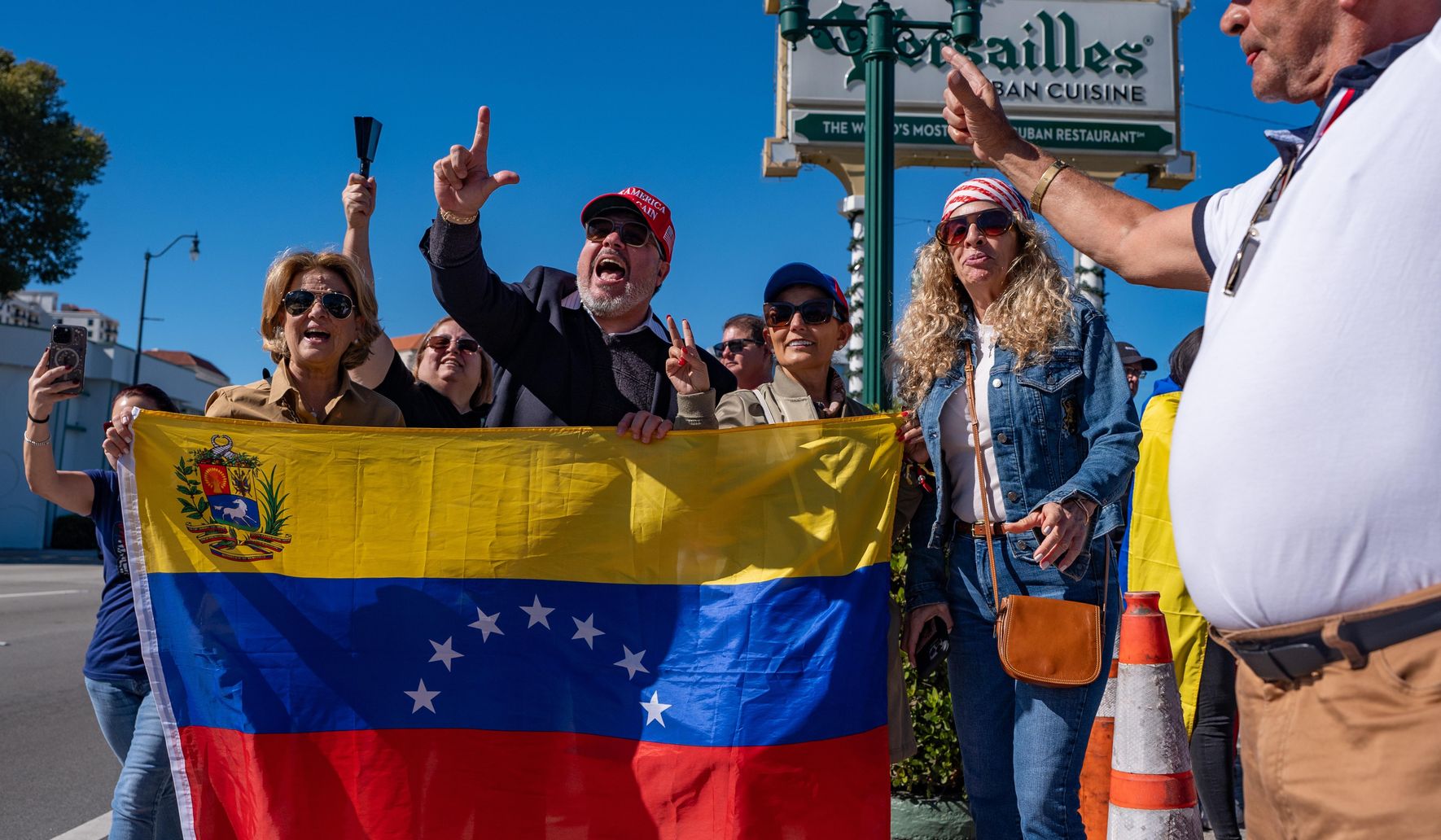
Protests are scheduled to pop up around the U.S. and beyond in response to the Trump administration’s operation in Venezuela that resulted in the arrest of President Nicolas Maduro.
Protests are already being organized across the country and internationally after the Trump administration’s operation in Venezuela that resulted in the arrest of President Nicolas Maduro. People on different sides of the debate are preparing demonstrations that will test public order and political will in communities large and small. This reaction is predictable whenever a high-stakes foreign operation shakes up established power structures and captures global headlines.
Supporters of the administration view the mission as a decisive act that removed a corrupt autocrat and upheld American interests in the region. They argue that when hostile regimes threaten stability and undermine their own people, the United States must act boldly rather than simply talk. That perspective fuels public backing and explains why some citizens are ready to defend the operation in the streets and online.
Opponents call the operation reckless and point to the diplomatic fallout that follows such a direct intervention. They worry about escalation, civilian harm, and the legal questions that surround cross-border actions taken without broad international backing. Those concerns are serious and they drive the turnout at planned protests, where people will press their leaders for explanations and accountability.
Local authorities and law enforcement are bracing for demonstrations that could range from peaceful marches to more disruptive tactics. Crowd control, traffic management, and protecting businesses and residents will be front and center for police agencies that must balance rights to protest with public safety. Expect tense moments in cities where politics already run hot and where demonstrators and counter-demonstrators could cross paths.
The operation in Venezuela spotlights the broader debate over America’s role overseas and the limits of executive power. Republicans sympathetic to the move frame it as a restoration of deterrence, a clear message that tyranny and narco-authoritarianism will not be tolerated. Critics reply that unilateral actions risk long-term instability and diplomatic isolation, arguments that will be hashed out on editorial pages, in Congress, and on the sidewalks.
Families, business owners, and daily commuters will feel the practical effects of protests even if they stay away from the rallies themselves. Road closures, transit delays, and heightened police presence are likely wherever large gatherings form, and local leaders will face pressure to keep order without squashing legitimate dissent. That balance will be difficult, but it also reveals how foreign policy choices reverberate deeply inside the homeland.
Media coverage will amplify every confrontation, shaping how the public perceives both the operation and the demonstrations that follow. Footage of peaceful vigils and fiery clashes will travel quickly, influencing public sentiment and political calculations in real time. In this environment, clear facts and a firm narrative matter more than ever for those advocating in support of decisive action.
Beyond immediate protests, the arrest of President Nicolas Maduro raises questions about what comes next in Venezuela and how the U.S. should help build stable governance there. Republicans who back the operation say the next phase must be firm and principled, focused on restoring order, supporting basic rights, and encouraging free institutions. That approach will shape legislative debates, aid decisions, and diplomatic maneuvering in the months ahead.

