

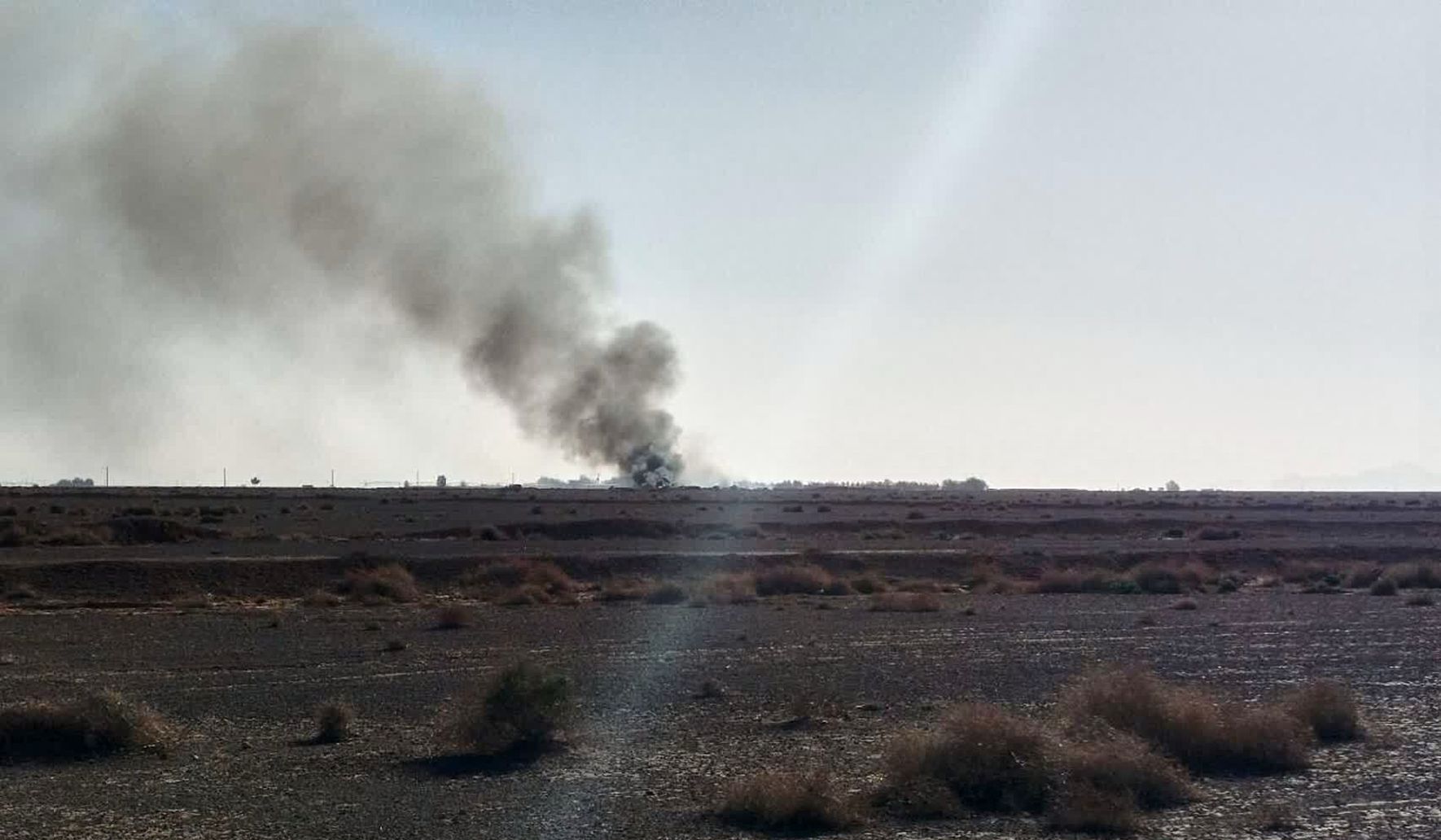
U.S. forces carried out a high-risk operation to retrieve an American fighter pilot from deep inside Iran, a move President Trump announced Sunday and followed with the warning to Tehran to “open the f—— Strait”.
This operation was described by the president as a daring raid into hostile territory to recover one of our own, and the timing of his statement made it clear the administration wants to project strength. The message was blunt and unmistakable, underscoring that the United States will go after its citizens even in the most dangerous places. Republicans applauded the resolve and the willingness to act swiftly on actionable intelligence.
Details are still sparse, but the core fact is straightforward: U.S. personnel entered Iranian-held areas with the goal of retrieving an American fighter pilot. Such missions require precision planning, disciplined execution, and the kind of bold leadership Republicans say is necessary when American lives are on the line. The operation also sends a signal to adversaries that hesitation costs them leverage.
President Trump followed the announcement with a direct threat aimed at Tehran, telling them to “open the f—— Strait”, a line that left no room for ambiguity. That language reflects a posture meant to deter further escalation and to warn that vital international waterways and freedom of navigation are not negotiable. From a Republican perspective, clear warnings backed by action are the most effective way to prevent prolonged conflict.
Military professionals rely on a mix of speed, surprise, and superior intelligence, and this raid appears to have been no exception. Executing a recovery mission deep behind enemy lines demands interagency coordination and trust in the forces on the ground. Republicans often argue that when commanders are given the authority to act and the resources they need, outcomes favor American interests.
The political fallout in Washington will be immediate, and Republicans will likely frame this as proof that strong leadership protects Americans abroad. Critics may raise questions about risks, but supporters will point to the moral clarity of not leaving a service member behind. That principle resonates across the heartland and the armed forces alike.
There are strategic consequences beyond the headline. Tehran faces a choice: back down or escalate. Republican strategists will see this as an opportunity to reinforce sanctions, strengthen regional partnerships, and remind allies that deterrence works when backed by credible force. The calculus isn’t just military; it includes economic pressure and diplomatic isolation when necessary.
Domestically, the president’s posture appeals to voters who favor decisive action over prolonged bargaining and uncertainty. Republicans argue that weakness invites aggression and that firm responses change behavior. Whether this becomes a turning point in regional dynamics will depend on follow-through, but the immediate message is unmistakable: protecting Americans is nonnegotiable.
In the weeks ahead, expect debates over authority, intelligence-sharing, and the appropriate balance between secrecy and transparency about special operations. Republicans will stress that asking hard questions is not the same as undermining troops on the ground. The public deserves accountable leadership that can both plan risky missions and defend the nation’s interests without apology.


1 Comment
Get ready to lose ALL your bridges. Britain and her “co-op” are on the way , to open and defend the Strait of Hormuz.
Then, we can go home, returning as needed.