

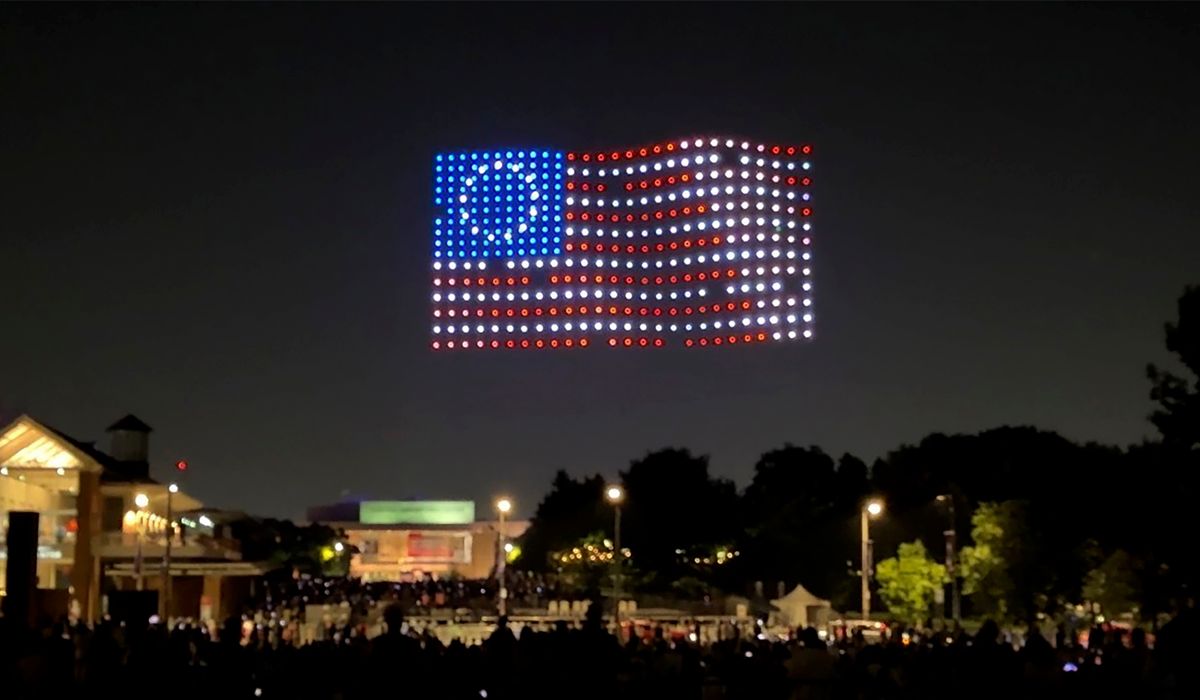
Festivities commemorating the 250th anniversary of American independence from Great Britain are ramping up nationwide, with parades, concerts, and fireworks planned while organizers and officials work to keep celebrations safe and orderly.
Americans are gathering in towns big and small to mark the 250th anniversary of American independence from Great Britain, turning streets, parks, and plazas into crowds of flag-waving neighbors and families. The atmosphere is celebratory and determined, with local officials and volunteer groups coordinating events that honor history and community. People are focused on tradition, from reading the founding documents to playing the familiar patriotic music that has shaped public life for generations.
Security is a priority at many events, but planners are stressing proportionate measures that keep people free to celebrate without turning public space into a fortress. Police and private security teams are using common-sense approaches like bag checks, visible patrols, and traffic control to reduce risks while preserving normal civic life. Organizers emphasize preparedness rather than panic, balancing safety with the kind of open, spirited gatherings that define July events.
Local governments and community groups are teaming up to support veterans, first responders, and civic organizations, providing platforms for recognition and gratitude. Parades commonly include marching bands, veteran units, and youth groups, creating a multigenerational connection to the country’s founding. Honor and respect for service are frequently woven into speeches and ceremonies, keeping the focus on shared sacrifice and national continuity.
Fireworks remain a centerpiece of many celebrations, and municipalities are enforcing sensible rules to reduce fire risk and injuries while still allowing spectacles that draw crowds. Some towns are encouraging professional displays rather than individual backyard fireworks to ensure safer, organized shows. The message from officials is clear: celebrate loudly, but look out for one another and follow the safety guidance that keeps everyone home at the end of the night.
Budget and logistics matter too, and many communities are relying on private sponsors and civic-minded volunteers to shoulder much of the load. Fundraising drives, local business contributions, and citizen-led cleanup crews are common, reflecting a grassroots approach to civic life. That community involvement underscores a conservative preference for local solutions and civic responsibility without expanding large centralized programs.
Schools and museums are seizing the moment with educational programs that put the nation’s founding in plain language and relevant terms for younger generations. Hands-on exhibits, public readings, and community history projects aim to connect the 250th milestone to everyday life and duties as citizens. Leaders on the ground say teaching the basics of liberty, self-government, and personal responsibility is more effective than politicking when it comes to civic renewal.
Civic leaders are also conscious of keeping public spaces accessible and family-friendly, preventing over-policing from turning celebrations into tense standoffs. Many event planners work closely with neighborhood groups to set clear expectations and de-escalation plans, so differences do not spoil the day. The focus is on inclusion through participation, not on excluding viewpoints that differ from the majority.
Small towns are especially visible this year, with hometown parades and barbecues that spotlight local crafts, history, and pride. These events often feature a blend of solemn remembrance and lighthearted patriotism, and they remind people that national identity is built from thousands of local memories. The result is a patchwork of celebrations that reflect regional character while honoring a shared national story.
At the national level, several major public ceremonies provide anchor moments for reflection on the country’s trajectory and the principles that brought it into being. These gatherings mix formal addresses with musical performances and tributes to those who served. Officials stress continuity of constitutional governance and the responsibilities that come with freedom, themes that resonate in both urban centers and rural communities.
Travel and tourism officials have forecast increased movement around the holiday, and transportation agencies are coordinating to keep commutes manageable and safe. Families plan road trips, veterans attend reunions, and cultural institutions report higher visitation as people use the long weekend to reconnect. The surge in movement is a reminder that celebration often means movement—both physically and in the shared story of the nation.
Through parades, concerts, and quiet neighborhood gatherings, the 250th anniversary is shaping up as a moment for Americans to reaffirm what matters to them: family, faith, service, and civic duty. Organizers and officials alike hope that this balance of celebration and sensible safety will let communities mark the occasion without sacrificing the liberties they celebrate. For many attendees, the point of the day is simple: honor the past, enjoy the present, and leave things better for the next generation.

