

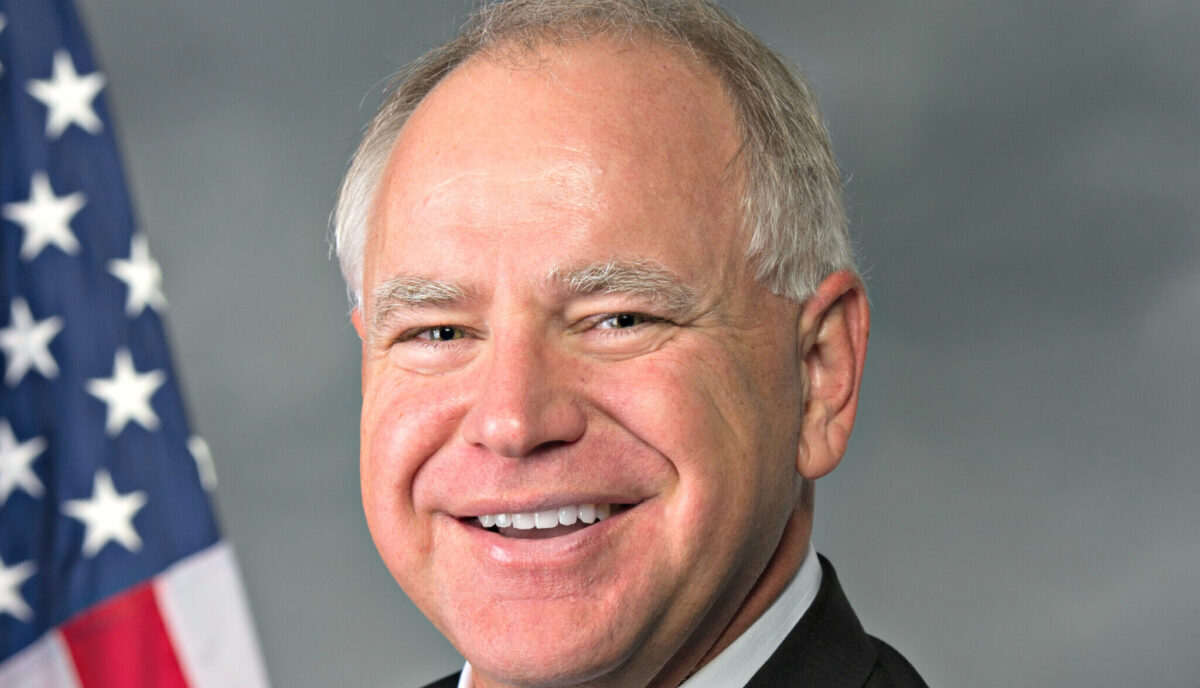
Gov. Tim Walz has announced he will not seek reelection in 2026, stepping away amid mounting controversy and opening a competitive governor’s race as both parties position themselves for a fight.
Gov. Tim Walz, who took office in 2019, surprised Minnesota politics by declaring on Jan. 5, 2026, that he will not run for another term. The announcement followed scrutiny over alleged fraud tied to operations in the Minneapolis-St. Paul area and came after a Jan. 4 meeting with Sen. Amy Klobuchar. The timing matters: voters and opponents alike are asking why a governor under investigation chooses to bow out instead of facing accountability.
Walz framed his exit as a personal choice, saying, “I can’t give a political campaign my all,” but many on the right see that line as a convenient escape from uncomfortable questions. Conservatives argue that stepping aside should not shield an administration from investigations into how public dollars and oversight were handled. Minnesotans deserve straightforward answers about the alleged mismanagement before any political reset takes place.
Amy Klobuchar is now being watched closely as a likely Democratic contender, and Democrats on the ground are already weighing how to present continuity without conceding blame. “He [Walz] has always dedicated his career to delivering for Minnesota,” she posted on X on Jan. 5, 2026, praising parts of his record while avoiding the tougher topics. For conservative voters, praise like that doesn’t erase the need for accountability or reassure taxpayers concerned about oversight lapses.
The Democratic bench still lists names such as Secretary of State Steve Simon and Attorney General Keith Ellison as potential entrants, though neither has publicly committed to a campaign. Lt. Gov. Peggy Flanagan has signaled her focus is elsewhere, concentrating on a U.S. Senate bid rather than the governor’s office. Meanwhile, Pastor Bill Gates Jr., no relation to the tech billionaire, already announced a gubernatorial bid in November 2025, pitching ideas on education and economic innovation that will need specifics to convince skeptical voters.
On the Republican side, the field is sharpening with a mix of outsiders and established officeholders ready to make the case for accountability and safer streets. Names being floated include MyPillow CEO Mike Lindell, House Speaker Lisa Demuth, state Rep. Kristin Robbins, and attorney Chris Madel, each bringing different strengths for a GOP base hungry for change. The message from conservatives is clear: Minnesotans want a return to fiscal prudence, secure communities, and leadership that doesn’t excuse oversight failures.
The Republican Governors Association was swift and blunt, calling Walz’s time in office a failure tied to “one of the biggest fraud scandals in history” in their Jan. 5, 2026 statement. That line captures how deeply the controversy has shaken confidence among right-leaning voters and allied groups, who see the governor’s departure as an opportunity to press for thorough investigations and reforms. Political accountability, they argue, must be more than campaign rhetoric—it has to be action that restores trust.
Democratic groups pushed back the same day, praising Walz’s record on middle-class policies and healthcare access in messages on X, but those messages fall flat for voters focused on where oversight broke down. For many conservatives, policy lists don’t replace transparency, and calls for reform will come with demands for clear answers about what happened, who was responsible, and how taxpayers will be protected going forward. The coming months will expose whether Democrats can defend the administration’s legacy or if Republicans can turn scandal into a winning issue.
For ordinary Minnesotans—parents juggling school schedules, retirees watching budgets, small-business owners paying bills—the next governor race won’t be about political theater. It will be about who can deliver trustworthy government, secure neighborhoods, and fiscal discipline after a term marked by controversy. Republicans are pushing hard on those themes, promising tougher oversight, clearer accountability, and a no-nonsense approach to public integrity.
The vacancy in the governor’s race has kicked off a fast-moving scramble, and voters should expect aggressive messaging from both sides as candidates declare and campaigns take shape. Conservatives will press for investigations and reforms, not just talking points, while Democrats try to defend record achievements and manage damage. The bottom line for Minnesota is simple: candidates must answer tough questions, not dodge them, if they want to earn voters’ trust heading into 2026.

