

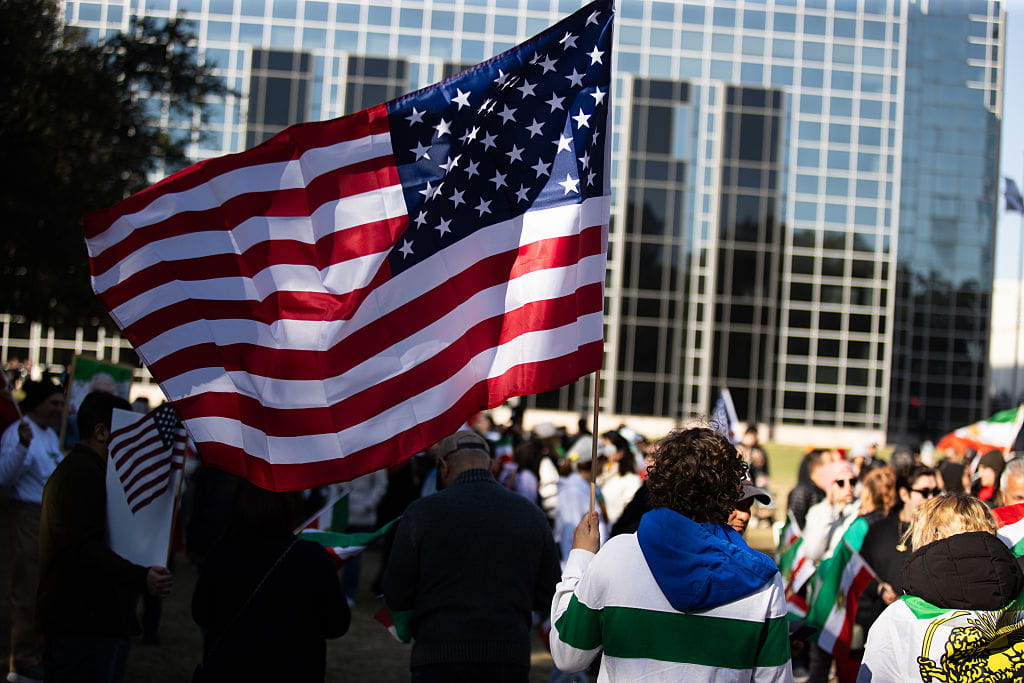
The story of early America reads like a determined refusal to accept domination, with ordinary citizens and a resolute leader standing up to a global military power and proving that resolve and liberty can outlast superior manpower and equipment.
The American Spirit is in the DNA of this nation, and that instinct showed up in the earliest days of rebellion against crown rule. George Washington led a ragged band of patriots who were more driven than polished, fighting for home, family, and a hard-won idea of freedom. Against them stood King George III and his forces, confident in rank, training, and resources.
The British sent their best to quell the uprising, a military many called “the most feared, revered professional, disciplined, well-equipped fighting force in the world.” They expected quick victories and obedience from those they viewed as rebels. What they found instead was stubborn resistance, local knowledge, and an American will that refused to bend to overseas command.
Washington did not command a polished army at first, but he brought something more essential: leadership that trusted citizen-soldiers and the cause they defended. Soldiers who fought beside neighbors and bore the same risks made decisions differently than hired troops. That kind of cohesion and commitment changed the calculus of every engagement and kept the cause alive through long winters and hard losses.
Resource scarcity forced creativity and taught hard lessons about sustainability and logistics. Supply lines were long and fragile, and improvisation became a survival skill. Local farms, community networks, and sheer determination filled gaps that money and contracts could not always bridge for the colonial cause.
Political resolve mattered as much as battlefield success, and public opinion played a crucial role in sustaining the fight. Pamphlets, sermons, and town meetings kept the argument for liberty in front of citizens who were expected to sacrifice. The Revolutionary era taught that political energy fuels military endurance when the goal resonates with people’s lived interests.
The patriots’ tactics were not always conventional, and that proved an advantage against a predictable professional army. Avoiding head-on clashes when the odds were bad, harassing supply routes, and using terrain knowledge turned limited means into strategic leverage. Those practices exposed the limits of relying only on discipline and numbers without local support and adaptability.
After enduring setbacks and setbacks, the revolutionaries found moments that shifted momentum and eroded imperial confidence. Victory came from sustained effort, smart alliances, and a refusal to accept defeat as final. The story is not one of effortless triumph but of a hard, continuous struggle that reshaped a people’s belief in what they could achieve together.
The legacy of that era still matters because it shows how a free people can resist centralized power when it becomes disconnected from the governed. Lessons about leadership, civic engagement, and practical resilience remain relevant for any society that values independence. Those lessons ask citizens to remember that liberty rests on active stewardship, not passive inheritance.
History also warns about complacency; success does not guarantee permanence unless the principles that bought it are maintained in practice. The Revolutionary generation labored to create institutions and habits that would keep freedom alive, understanding that rights need defenders and rights require work. That practical patriotism helped secure a future where the prospects of ordinary people mattered again in the calculus of power.

