

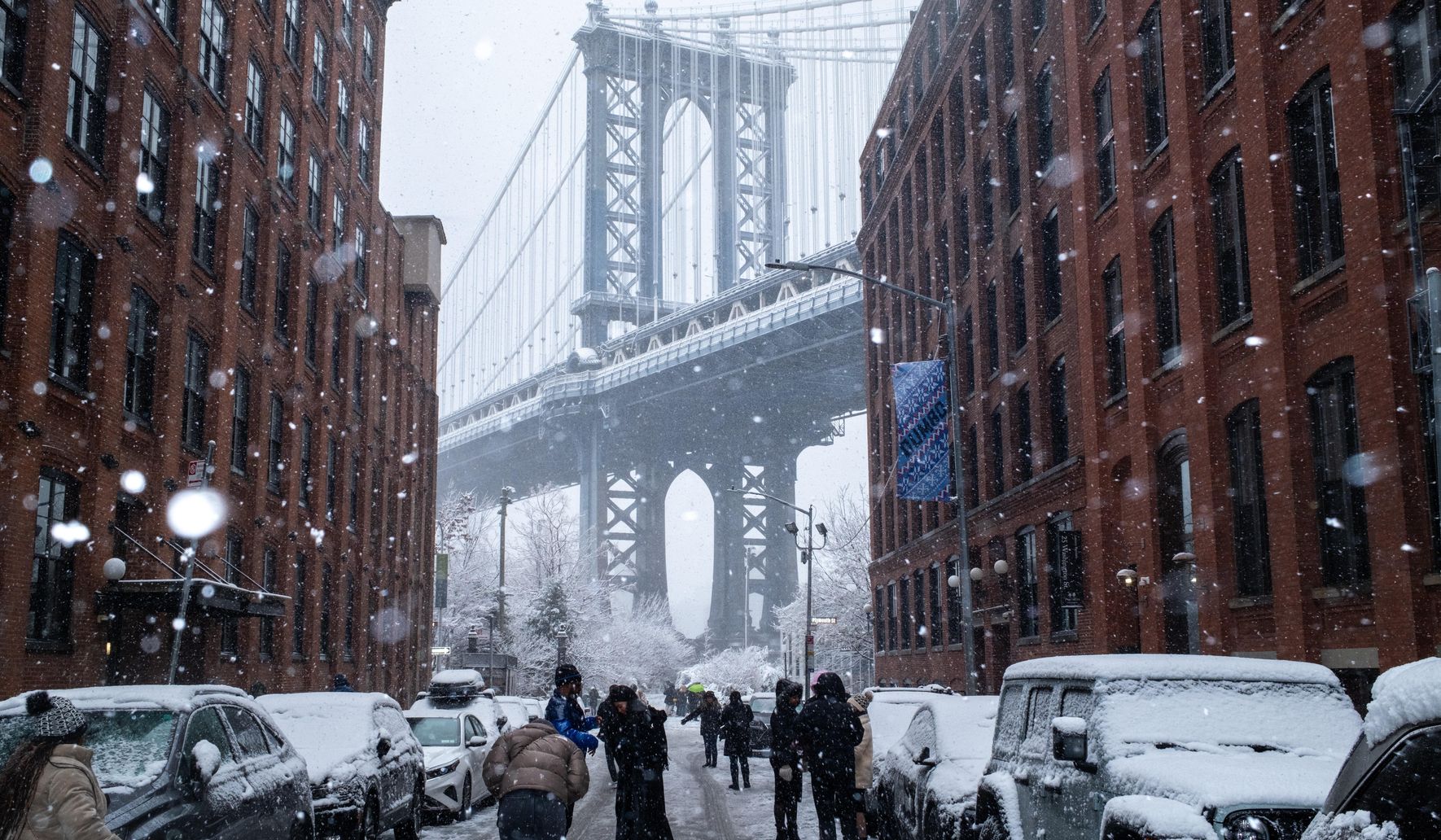
The weekend storm pushed temperatures well below zero across the Midwest and dumped heavy snow in parts of the Northeast, causing widespread airport delays and slick, hazardous roads.
A bitter cold front moved through the central U.S. over the weekend, sending readings plummeting to well below zero in many Midwestern communities. Those subzero temperatures amplified travel difficulties, with flights delayed and cancellations growing as crews wrestled with de-icing and frozen equipment. Commuters found roads coated in ice and snow, turning short trips into slow, tense drives for anyone on the move. Local emergency crews and DOT teams were stretched thin trying to keep key routes passable.
In the Northeast, heavy snow fell on Sunday, piling up in pockets and creating white-out conditions at times. Visibility dropped suddenly on several interstates, prompting crash reports and temporary road closures in the hardest-hit areas. Airports across the region reported chains of delayed departures and arrivals as carrier operations battled the snowfall. Passengers faced long lines, uncertain connections, and scrambling to rebook disrupted travel plans.
Temperature contrasts were stark: while some cities dug out from inches of snow, nearby towns felt the real impact of near-zero wind chills that made clearing sidewalks and driveways a tough, cold chore. Utility crews monitored service lines for stress caused by the temperature swing, while shelter groups kept an eye on vulnerable populations. School districts issued schedule changes and cancellations, aiming to keep kids off icy roads and safe indoors. Municipal crews prioritized main corridors and hospital routes when plowing and salting.
Airport operations were a central story as the storm rolled through, with baggage handling slowed and ground staff working in brutal cold to prepare planes for flight. Delays were not limited to takeoff; de-icing queues backed up schedules and spilled into the afternoon and evening. Travelers described long waits at terminals and gate areas as airlines coordinated alternate routing and standby lists. Transportation officials urged people to check with carriers before heading to the airport given the fluid situation.
Road conditions deteriorated quickly during the main burst of snow, especially where pavement temperatures hovered around freezing and salt had limited effect. Black ice became a risk as temperatures fell overnight, creating a dangerous second phase for anyone traveling after dark. Trucking companies and freight operators adjusted runs and slowed timetables to protect drivers and cargo. Local law enforcement increased patrols on major arteries to assist with stranded motorists and traffic control.
Municipal response varied by region but a common pattern emerged: early, aggressive plowing followed by repeated passes to keep lanes open as new snow fell. Crews worked long shifts, and many cities called in contractors to speed operations on secondary streets. Officials reminded residents to clear fire hydrants and allow plows room to operate, noting that piled snow on corners can block sightlines and slow emergency response. Community centers opened warming spots for those without heat or reliable transportation.
Beyond immediate travel and municipal concerns, the cold snap had ripple effects for outdoor workers and small businesses that rely on steady customer flow. Construction sites paused or slowed work where conditions posed safety risks, and restaurants in snowbound neighborhoods saw dips in foot traffic. On the supply side, deliveries of essentials encountered delays, prompting shoppers to plan ahead for basic needs. Employers and community groups stepped in with extra support for those facing heating challenges.
Forecasts into the coming days called for a gradual moderation in temperatures, but officials warned that melt-and-freeze cycles could keep hazards on roads and sidewalks. Residents were advised to give plows room, allow extra travel time, and check on neighbors who might need help with shoveling or heat. Drivers were reminded to carry emergency kits and to avoid unnecessary trips until crews could improve conditions. The storm left clear marks on the map and on routines, a reminder of how quickly winter weather can disrupt daily life.

