

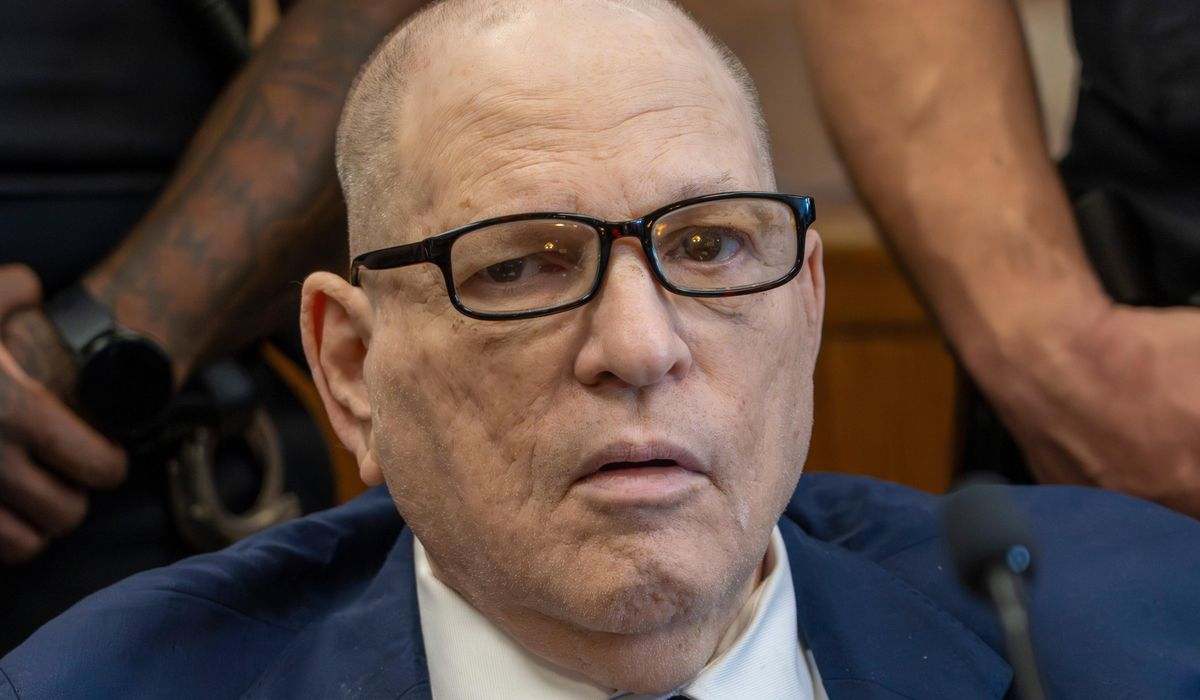
Harvey Weinstein returned to court Thursday, seeking to get his latest sex crime conviction thrown out because anger and apprehensions flared among jurors during deliberations last spring.
The motion that brought him back to the courtroom is built on a narrow but serious claim: that juror conduct tainted the verdict. Defense lawyers say notes and comments that emerged during deliberations showed bias and emotional influence rather than reasoned assessment of evidence. The judge now faces a choice that could reshape how post-verdict disputes over juror behavior are handled.
The defense argues that certain juror reactions went beyond normal debate and into territory that undermined the fairness of the process. They describe moments when jurors reportedly expressed anger and apprehension, and they say those feelings steered deliberations away from legal analysis. Prosecutors counter that passion is not proof of misconduct and that jurors are allowed to weigh credibility and emotion as part of a verdict.
Legal standards for tossing a verdict are high because courts do not lightly overturn jury decisions. To succeed, Weinstein’s team must show that improper influence was likely to have affected the outcome. Judges look for clear signs of extraneous information, intimidation, threats, or demonstrable bias that cannot be cured by instruction or clarification.
One wrinkle in these motions is the rule barring inquiry into internal jury deliberations, designed to protect jurors’ freedom to speak openly without fear of later scrutiny. That shield prevents fishing trips into private conversations, but it does not immunize clear misconduct. Lawyers on both sides are navigating that boundary as they present sworn affidavits, juror notes, and other records to convince the judge what happened behind closed doors.
What judges typically do is hold evidentiary hearings where jurors or court staff may testify about specific, external statements or actions. Defense teams will press for such a hearing when they believe the record shows the verdict was compromised. Prosecutors will push back hard, arguing the verdict should stand unless there is incontrovertible proof of prejudice.
The stakes are practical as well as legal. Overturning a conviction can lead to a retrial, additional costs, and renewed trauma for alleged victims who must relive testimony. Keeping a verdict intact can leave both sides feeling raw, especially when high-profile cases attract intense public attention and punditry. Judges weigh those consequences while sticking to the law rather than public sentiment.
Experts say appellate courts defer heavily to trial judges because those judges saw the witnesses and the jury in real time. But that deference has limits when juror misconduct involves statements or actions that clearly fall outside acceptable deliberation. The question is always whether the misconduct was harmless or whether it likely changed the jury’s verdict.
Weinstein’s legal team frames this as a constitutional issue about the right to a fair trial, arguing that any taint in deliberations undercuts the integrity of the proceedings. Prosecutors maintain that a jury’s natural emotional responses do not amount to legal error. Both sides cite precedent, but judges get the final call on whether the line was crossed this time.
Courtroom theatrics often play into public perception, but the documents filed in support of or against the motion matter most. Affidavits, juror questionnaires, and sealed notes are the ordinary tools used to test claims about deliberations. The defense will likely emphasize specific passages and witness recollections that, they say, show deliberations were infected by something other than impartial judgment.
The judge’s ruling could be appealed, so this phase is not necessarily the end of the road even if one party loses. Appeals focus on legal errors in the judge’s decision, asking appellate panels to review whether the law was applied correctly. Either way, the procedural fight that began with those juror statements is likely to ripple through several layers of the courts before it finally settles.
For now, observers are watching how the trial judge manages evidentiary limits and whether the record will allow meaningful review. The outcome will hinge on whether the court finds the juror conduct described in filings crossed the line into misconduct that reasonably could have affected the verdict. That is a strict standard, but when jurors report anger and apprehension, courts must take those claims seriously and test them under the law.

